
Last updated November 18, 2026






Free written scope consultation - allowances, timeline, and change-order rules on paper before a single trade is scheduled
Seasonal Construction Care for Mission Viejo: Year-Round Homeowner’s Guide
Most Mission Viejo homeowners have been told their climate is mild enough that home maintenance can wait. That’s the misconception this guide corrects. Mission Viejo averages only about 13 inches of rain annually, but nearly all of it arrives in concentrated winter storms, and a roof, gutter system, or driveway that wasn’t prepped in October takes the full force of a January atmospheric river without warning. The dry months that follow are just as consequential, quietly aging shingles, pavers, and stucco under a summer UV load that never lets up. This guide gives you a month-by-month action plan calibrated to what actually degrades here, so the exterior envelope of your Mission Viejo home makes it through the next decade intact.
Quick Answer
Seasonal construction care in Mission Viejo follows three anchors: prep the roof, gutters, and drainage before the winter rains, assess the exterior for UV and post-storm damage in spring, and schedule coatings, sealers, and replacements in the dry windows of late spring and early fall. Concentrated winter storms do more damage than the annual rainfall total suggests, and summer UV is what ages roofing and hardscape between storms. The right timing on a handful of checks matters more than the total hours you spend.
Styles & brands we work with
- Kitchen remodeling
- Bathroom remodeling
- Home additions & ADU
- Roofing
- Windows & doors
- Driveway & pavers
- Fence
Table of Contents
- The Fall Pre-Storm Checklist
- Summer UV Load: What It Does to Your Roof and Hardscape
- Spring Post-Rain Assessment
- The Dry Months Maintenance Window
- HOA-Compliant Material Choices for Seasonal Updates
- Driveway Drainage, Grading, and Paver Care
- Why One Contractor for All Seven Categories Changes the Calendar
- Common Mistakes to Avoid
- When to Call a Professional
- Frequently Asked Questions
The Fall Pre-Storm Checklist
The window between the last hot spell and the first real storm is the most valuable maintenance period on the Mission Viejo calendar. Once the winter rains start arriving in concentrated bursts, small defects become water intrusion. The job in fall is to find those defects while the weather is still dry and the fix is still small. A capable homeowner can inspect most of this list visually from the ground and from a ladder, and a professional inspection in October catches what a visual pass misses.
The specific points worth inspecting:
- Roof penetrations. Every vent, chimney, skylight, and plumbing boot is a place where water finds a path. Look for lifted flashing, cracked sealant, and any daylight visible from inside the attic at these points.
- Gutter seams and hangers. Sagging gutters and pulled hangers mean water runs behind the fascia instead of into the downspout. Check that the gutter pitch still carries water toward the outlets.
- Downspout discharge. A downspout that dumps water at the foundation wall is doing exactly what the storm wants. Confirm discharge points carry water well away from the slab and the planting beds.
- Driveway and hardscape grading. Water should flow off the driveway and away from the garage, not pool at the garage door threshold or along a low edge where it can undermine the base.
- Fence post stability. Winter wind and saturated soil are hard on fence posts. A post that rocks in October will lean by February.
Do the inspection in dry weather, write down what you find, and address the small items before the first system moves through. If a fix requires roof work or regrading, that’s a job best done now, not after water is already inside. If you’re upgrading a driveway or hardscape this fall, driveway & pavers work scheduled before the rains also gives any new base material time to settle before it takes a winter’s worth of runoff.
Summer UV Load: What It Does to Your Roof and Hardscape
Mission Viejo summers are hot and dry, and the sun is relentless on exterior surfaces through the middle of the day. The damage is slow and cumulative, and it’s the primary driver of exterior replacement timing here. A roof that looks fine from the street in April may show serious granule loss by September, and concrete pavers exposed to years of direct sun develop surface oxidation that changes both color and texture. The point of a summer evaluation isn’t to replace anything prematurely, it’s to catch the material when it’s actually failing rather than guessing from curb appeal.
Evaluating asphalt shingles for granule loss
Granule loss is the single best early indicator on an asphalt shingle roof. The granules are the UV protection, and once they’re gone the asphalt underneath starts to dry and crack. Check the gutters for heavy granule accumulation after a dry stretch, look at the shingle surface for bare or dark patches where granules have worn thin, and check whether the shingle edges are starting to curl. If you’re comparing replacement options, the standard performance-grade lines from GAF, CertainTeed, and Owens Corning all handle this climate, and the choice among them should come down to warranty terms and the specific shingle profile rather than a single-vendor recommendation.
Evaluating concrete tile for surface oxidation
Concrete tile roofs hold up well here, but the surface does oxidize over time. Look for chalky residue that comes off on your hand, color fading that’s uneven across the field, and hairline cracks at the tile edges. Oxidation itself is cosmetic until it starts to affect the tile’s water shedding, but the pattern tells you when a coating or a replacement is coming due. The summary: schedule a roof evaluation in early summer, before the hottest stretch, so you know exactly what you’re dealing with and can plan replacement into a dry fall window.
Spring Post-Rain Assessment
The wet season tells you things the dry season can’t. Every leak, every settling paver, and every crack in the stucco is a piece of information about how water moves across and through your property, and it’s only visible in the weeks right after the rains stop. The spring walk-around is where you turn those observations into a plan for the dry months.
What to look for specifically:
- Paver joint washout. Polymeric sand and joint material carry away when water runs hard across a hardscape surface. Look for joints that have lost sand, pavers that have shifted or tipped slightly, and any area where water was clearly channeled across the surface.
- Retaining wall seepage. Staining or damp spots on a retaining wall face mean water is moving through the backfill rather than the drainage. A weep hole that’s now blocked is a common culprit after a heavy winter.
- Stucco cracking patterns. Hairline cracks in a pattern across the wall are usually cosmetic. Cracks that follow a specific diagonal line, or that open wider at one end, are worth a closer look because they suggest movement at a corner or a window opening.
- Roof surface after rain. Dark streaks that don’t dry out, and staining around penetrations, are the first visible signs of a flashing failure that may not yet have produced a leak inside.
Take notes and photos in spring while the evidence is fresh. By the time you’re ready to schedule work in the dry months, you’ll have a specific list rather than a vague memory of “some water near the driveway.” If the assessment turns up a fence that took the worst of the winter wind, fence installation scheduled in spring or early summer gives the new posts a full dry season to settle before the next round of storms.
The Dry Months Maintenance Window
The dry months are the installation season for anything that needs a clean surface and stable weather to cure. Late spring and early fall are the two best windows in this climate, and the reason is straightforward: sealers, coatings, and exterior paint all need dry, moderate conditions to cure properly. Apply them too close to the rainy season and the cure is interrupted. Apply them at the peak of summer heat and the coating can dry too fast to bind. The in-between windows are when the work lasts.
The dry-window jobs worth planning for:
- Exterior paint and stucco coatings. Curing needs dry weather and moderate temperatures; a fall paint job protects the wall before the rains and a spring paint job repairs what the winter revealed.
- Paver and concrete sealing. Sealers need the base to be fully dry, so sealing is a dry-window job by definition. Schedule it after the spring assessment and well before the first fall storm.
- Roof replacement. A replacement scheduled into the dry months is faster and cleaner than one that gets interrupted by rain, and the new roof has time to shed its first full wet season properly.
- Window and door replacement. Sealing around new windows and doors is a dry-weather job, and finishing it in spring or early fall avoids the awkward middle of a storm season.
- Driveway and hardscape installation. Base compaction and grading are cleanest when the ground is dry and stable.
Plan the year’s bigger projects into these windows and treat the wet season as the inspection season. That one habit alone changes how much unscheduled repair you deal with over a decade.
HOA-Compliant Material Choices for Seasonal Updates
Most Mission Viejo neighborhoods are governed by an HOA, and the architectural review committee is a seasonal maintenance reality for almost every exterior upgrade. The trap is choosing materials that trigger a new approval cycle every time a component wears or needs replacement, or that conflict with your existing approved palette. The better approach is to choose materials and colors that align with what’s already approved for your neighborhood, so routine replacement doesn’t turn into a design review each time.
How to think about seasonal updates with the HOA in mind:
- Match the existing approved palette. When a roof or fence is being replaced, the least friction option is a material and color that matches what the committee already approved for your home. If you want to change, that’s a separate conversation, worth doing once rather than every cycle.
- Favor continuity across exterior surfaces. Roofing, fencing, and driveway materials that are visually consistent with your neighbors’ approved choices reduce review questions.
- Check material specs against the HOA’s roofing requirements. Many HOAs specify shingle profile, color, and material type. Get the written spec before you compare brands so you’re comparing only what you’re allowed to install.
- Keep documentation. A file with the approved material spec for your home saves you a review cycle when the next component reaches the end of its life.
This is one place a contractor who handles all seven categories under one roof makes a practical difference. Roofing, fencing, and hardscape choices can be coordinated with a shared palette once, rather than negotiated separately by three different trades.
Driveway Drainage, Grading, and Paver Care
In a climate with concentrated winter storms, drainage is the whole job. A driveway or paver surface that drains correctly sheds the storm and dries out fast. One that doesn’t pools water, undermines the base, and eventually shifts pavers. The fix is almost always in the base and the grading, not the surface material, and that’s why drainage work is a fall and dry-window job rather than something to save for after a problem shows up.
The maintenance path for a driveway and paver surface:
- Check the grading in fall. Confirm water flows away from the garage threshold and the foundation, not toward them.
- Clear any drainage channels. Leaves and debris that collect over the summer block the surface channels that carry water off the driveway.
- Replenish joints after the wet season. Polymeric sand washed out in winter needs replacing in the dry window, and a full re-sand is cleaner than spot-filling over months.
- Seal on a dry schedule. A fresh sealer applied in the right window protects against both UV and water absorption and makes future cleanups easier.
- Look for base failures. Pavers that rock, or joints that open up repeatedly in the same spot, mean the base below is compromised. That’s a repair rather than a maintenance item.
When it’s time for a replacement rather than maintenance, the material choices in Belgard, Unilock, and Techo-Bloc give you real options across performance and premium tiers. Match the paver to the traffic and the drainage design, not just the look, and you’ll get a surface that handles both the winter runoff and the summer UV without constant attention.
Why One Contractor for All Seven Categories Changes the Calendar
Seasonal maintenance rarely stays inside one trade. A wet winter reveals a roof issue, a fence problem, a paver joint that washed out, and a stucco crack in the same walk-around. When those observations go to a different specialist each, you end up coordinating four schedules and four opinions, and the fixes get scheduled independently of the dry windows that would make them last. A single contractor handling the full scope from the driveway to the roofline lines those items up into one plan that fits the season, rather than four separate ones that may or may not.
That’s the practical case for working with one point of accountability across the categories that define the exterior envelope: Construction Mission Viejo handles roofing, windows and doors, kitchen and bathroom remodeling, additions and ADUs, fencing, and driveways and pavers. The advantage isn’t just convenience, it’s that the timing can be coordinated. After the spring assessment, every item on the list is scheduled into the same dry window with the same priorities, so the sealers, roof, and hardscape are all done before the rains return. No handoff, no finger-pointing, and no situation where one trade’s work is undone by another schedule.
If your spring assessment points to more than a repair, the same single-contractor structure makes larger projects cleaner. Structural work, permitted additions, and ADU builds require a general contractor, and a home additions & ADU project is best planned and permitted well ahead of the construction season rather than squeezed between repairs.
See the difference
 Before
 After
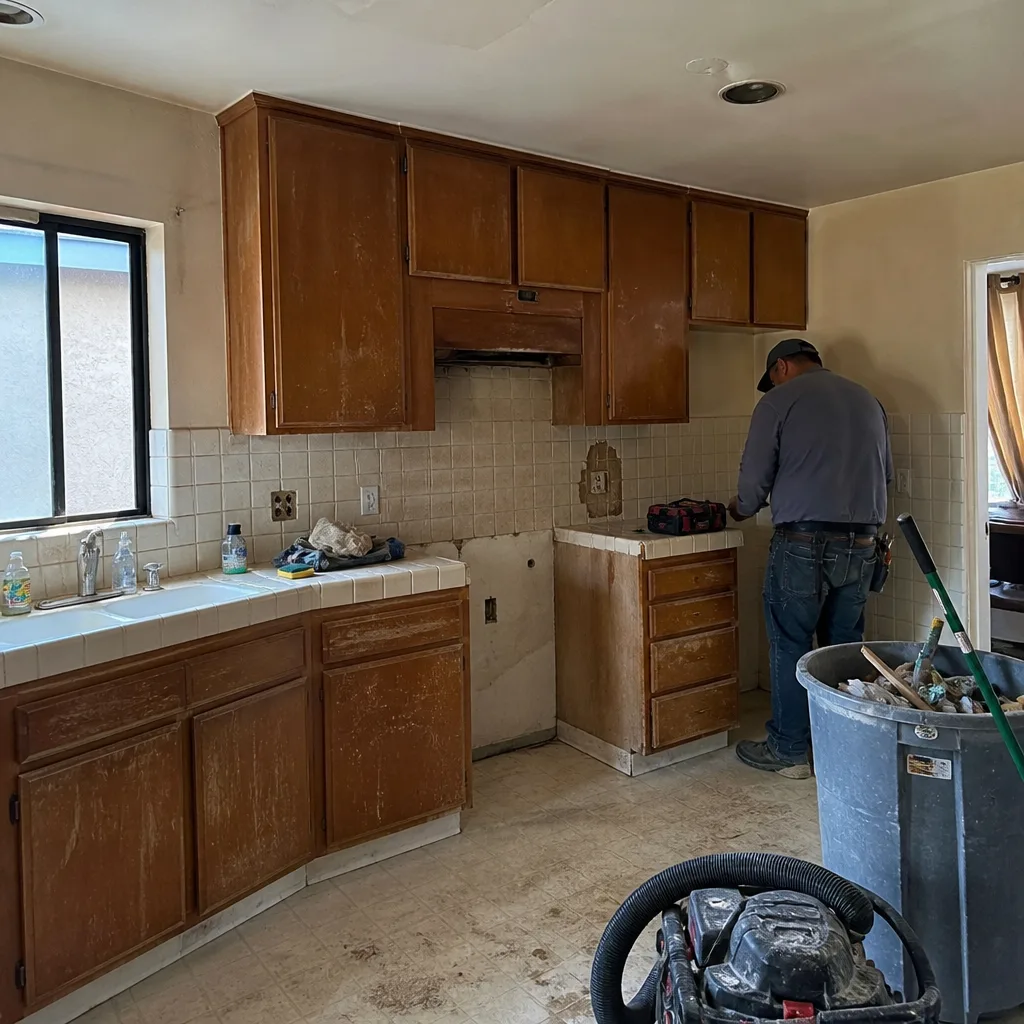 Before
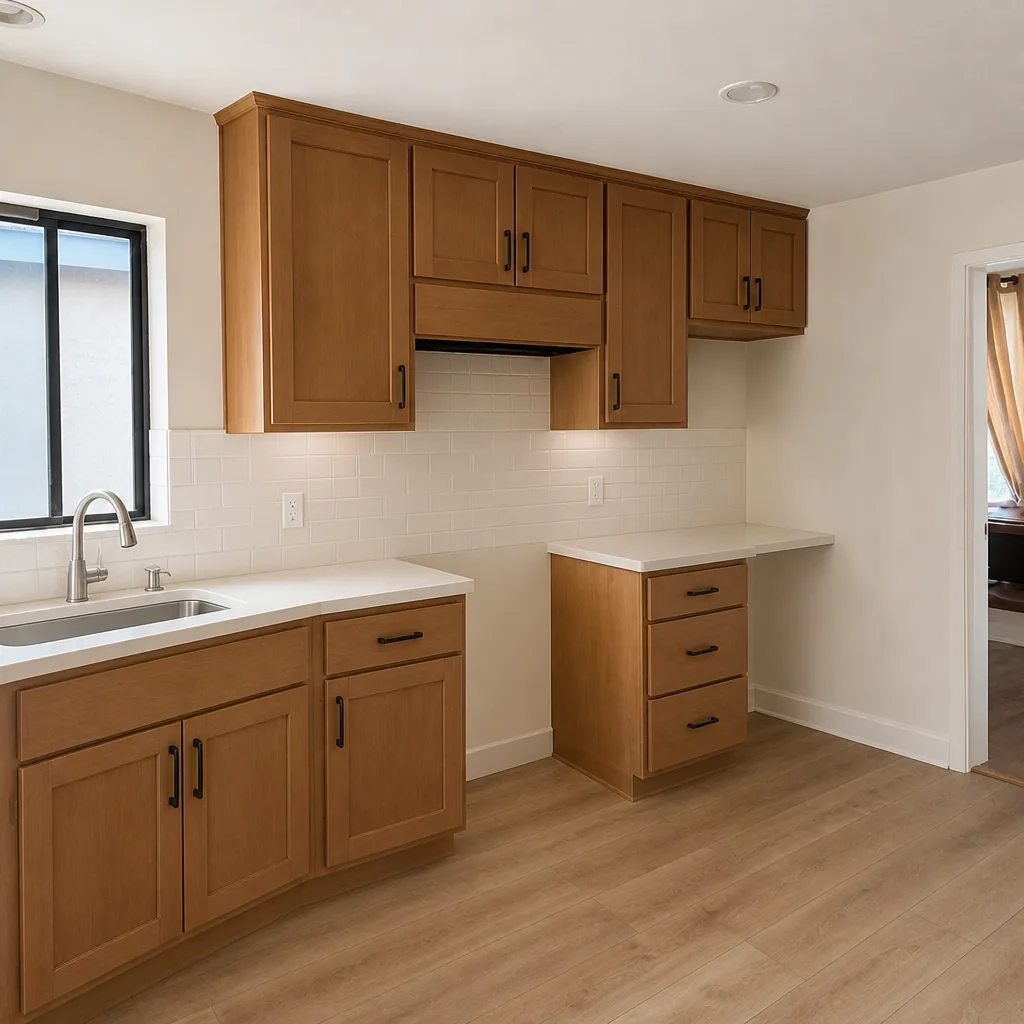 After
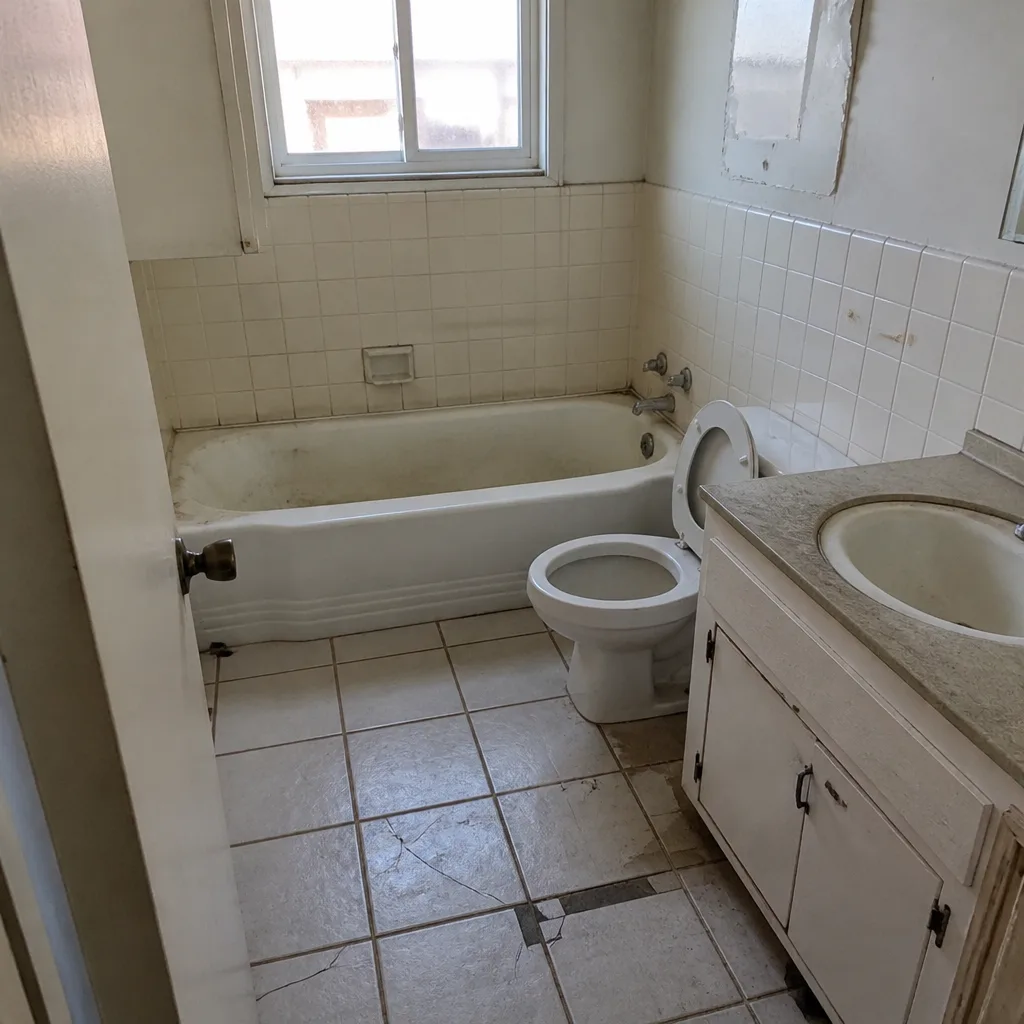 Before
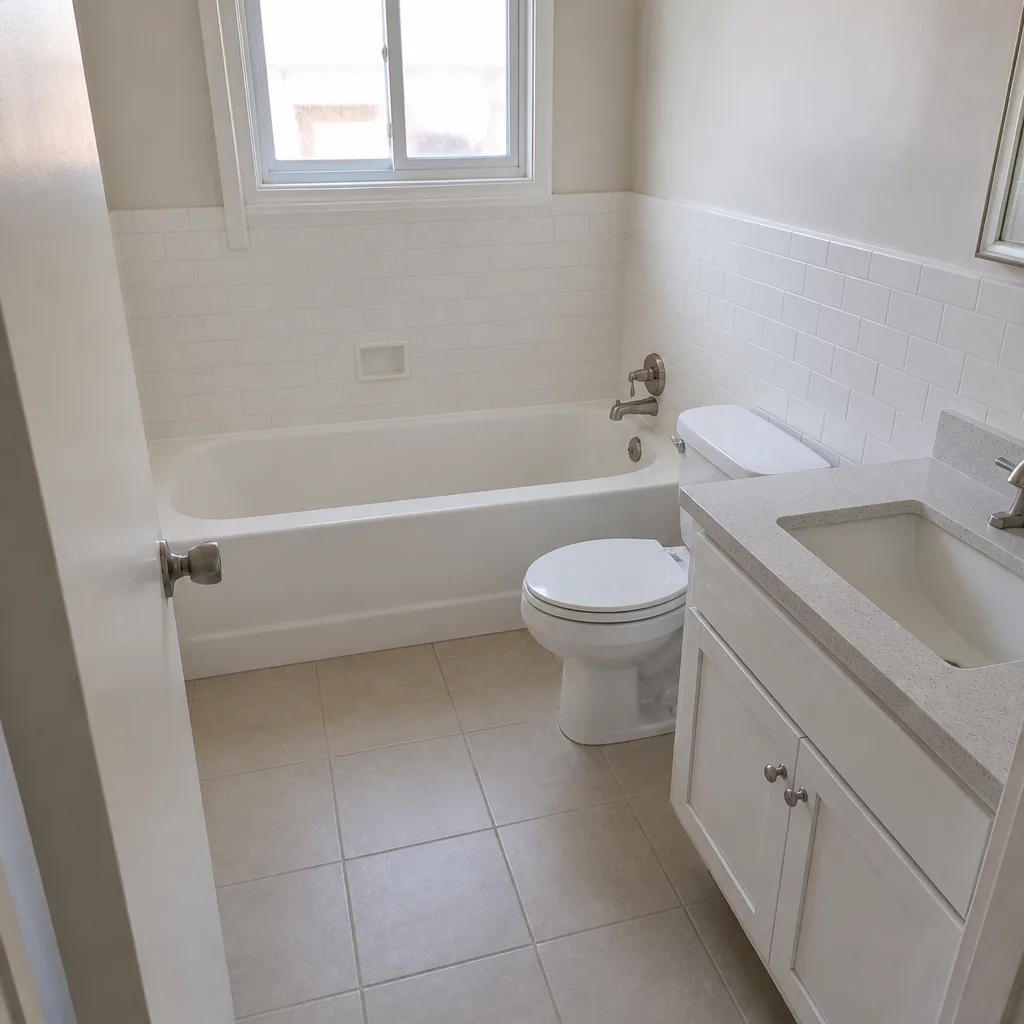 After
Common Mistakes to Avoid

- Treating the mild-climate reputation as a pass on fall prep. The annual rainfall total here is modest, but concentrated winter storms do more damage to an unprepared roof or drainage system than a season of steady rain would. Prep in October, not after the first storm.
- Waiting for a leak to schedule a roof evaluation. Granule loss and flashing wear show up before water does. An early-summer evaluation catches the problem while it’s a small repair.
- Skipping the spring walk-around because nothing inside the house looks wrong. The evidence of winter damage lives outdoors on the pavers, the retaining wall, and the stucco, and it fades as the dry season starts. Check in spring while it’s visible.
- Sealing pavers at the wrong time of year. Sealer applied too close to the rainy season or at the peak of summer heat doesn’t cure properly. The dry windows of late spring and early fall are the right seasons.
- Choosing exterior materials without checking the HOA spec first. Comparing brands before you have the written spec in hand wastes time and can lead to an approval cycle you didn’t need.
- Ignoring driveway grading until pavers shift. Water that pools at the garage threshold in winter is undermining the base all season. Fix the grading in fall while it’s still a grading job.
- Managing each category as a separate schedule. Roof, fence, hardscape, and stucco failures tend to show up together after a wet winter. Coordinating them into one dry-window plan saves time and gives you a single account of what was done and why.
When to Call a Professional
Some of the seasonal checklist is a visual pass, and some of it genuinely needs a trained eye. Call a professional when the roof inspection turns up lifted flashing, cracked sealant at a penetration, or heavy granule loss across an entire slope; when a retaining wall shows seepage or a weep hole is blocked; when pavers are rocking or joints reopen in the same spot after re-sanding; when stucco cracks follow a consistent diagonal pattern; or when a fencing project involves a lot line, an HOA spec, or a post that has failed at the base. Any job that requires working at height on a roof or addressing structural movement belongs with trained technicians, and those are the calls to make first. In our experience, the projects that go smoothly are the ones where the decision to bring in a professional is made in the dry window rather than after the damage is done.
Our technicians have up to 8 years of experience across the categories that define your exterior envelope and the interior projects that follow. Construction Mission Viejo offers free estimates in Mission Viejo. Call (833) 620-5454 to schedule yours, and we’ll give you a written, itemized quote before any work starts.
Frequently Asked Questions
The dry months of late spring and early fall are the best windows, because the roof has time to be completed without interruption and can shed its first wet season cleanly. A roof scheduled in the middle of summer can work, but the crew deals with peak heat, and a roof scheduled into the wet season risks compromised installation and immediate leaks. Call (833) 620-5454 for an exact quote. Estimates are free.
Seal when the surface is clean and fully dry, and plan that work into the dry windows rather than the wet or peak-heat months. How often depends on the material, the traffic, and the amount of UV exposure. Belgard, Unilock, and Techo-Bloc surfaces all hold up well under this climate’s UV load, and the right sealer schedule makes a difference in how long they last. Call (833) 620-5454 for an exact quote. Estimates are free.
Routine maintenance like sealing, gutter cleaning, and re-sanding pavers generally doesn’t require a permit, but roof replacement, structural repairs, and anything that changes the footprint or envelope usually does. Permit rules vary, so ask your city’s building department before you schedule anything structural. If you’re planning an addition or a new ADU, permitted, code-compliant work is the whole starting point. Call (833) 620-5454 for an exact quote. Estimates are free.
An exterior assessment covers the roof surface and every penetration point, gutters and downspouts, fence post stability, stucco cracking, and driveway and hardscape drainage and grading. The result is a specific list with priorities, so you can plan the fixes into the right dry window. That list is also what makes a contractor quote accurate. Call (833) 620-5454 for an exact quote. Estimates are free.
Often yes, if the material and color match what’s already approved for your home or neighborhood. Matching the existing palette when replacing a roof or fence usually avoids a new architectural review. If you want a design change, get the written HOA spec first and compare only materials that fit it. Call (833) 620-5454 for an exact quote. Estimates are free.
That’s exactly why a single point of accountability works in your favor. A roof issue, a fence problem, and a washed-out paver joint are usually related to the same winter water and wind, and they’re best scheduled together into the same dry window. One line-item written estimate and one schedule is simpler than four separate quotes. Call (833) 620-5454 for an exact quote. Estimates are free.
The Bottom Line
The mild-climate reputation is the biggest reason seasonal care slips in Mission Viejo, and the reason it matters more, not less. Thirteen inches of rain in concentrated winter storms is a heavy load on an unprepped roof, and relentless summer UV ages roofing, pavers, and stucco quietly between storms. The plan is a fall pre-storm checklist, a summer UV check, a spring assessment, and a set of projects scheduled into the dry windows of late spring and early fall. Keep the HOA palette in mind, fix grading before pavers shift, and put the big repairs into the same coordinated schedule. We answer 24/7. Fast dispatch from 7am to 7pm, Sunday through Friday. Call Construction Mission Viejo at (833) 620-5454 to schedule your free estimate for any item on this list.
Written by the team at Construction Mission Viejo.