Last updated November 18, 2026


Free written scope consultation - allowances, timeline, and change-order rules on paper before a single trade is scheduled
The Complete Driveway & Pavers Guide for Mission Viejo Homeowners
Most driveway failures we’re called to look at in Mission Viejo didn’t start with the pavers. They started underneath them. Homeowners spend weeks choosing a color and a pattern, then hand the decision that actually determines whether the surface lasts eight years or thirty over to whoever shows up with a plate compactor. The base is the driveway. The pavers are just what you see. This guide walks through what a driveway in Mission Viejo actually involves, from soil and base depth to material lifespans, HOA review, and how keeping the whole job under one contractor prevents the grade problems that show up when three trades each build their own version of your slope.
Quick Answer
A paver driveway in Mission Viejo typically costs $18 to $40 per square foot installed, depending on material, and the single biggest factor in how long it lasts is a properly compacted 4 to 6 inch Class II aggregate base, not the paver you pick. Concrete pavers and travertine both perform well in our climate when the base and drainage are right. Check your HOA architectural guidelines before you order material, because many of Mission Viejo’s planned communities restrict colors and patterns.
Styles & brands we work with
- Kitchen remodeling
- Bathroom remodeling
- Home additions & ADU
- Roofing
- Windows & doors
- Driveway & pavers
- Fence
Table of Contents
- Why the Base Matters More Than the Paver in Mission Viejo
- Paver Materials Compared: Cost, Lifespan, and Climate Fit
- Soil, Slope, and Drainage on Mission Viejo Lots
- HOA Architectural Review: What to Check Before You Order
- Garage Aprons, Curbs, and Borders: Why One Contractor Matters
- Brands and Warranties: Belgard, Pavestone, and Techo-Bloc
- How a Paver Driveway Project Actually Runs, Step by Step
- Keeping a Paver Driveway Looking Right
Why the Base Matters More Than the Paver in Mission Viejo
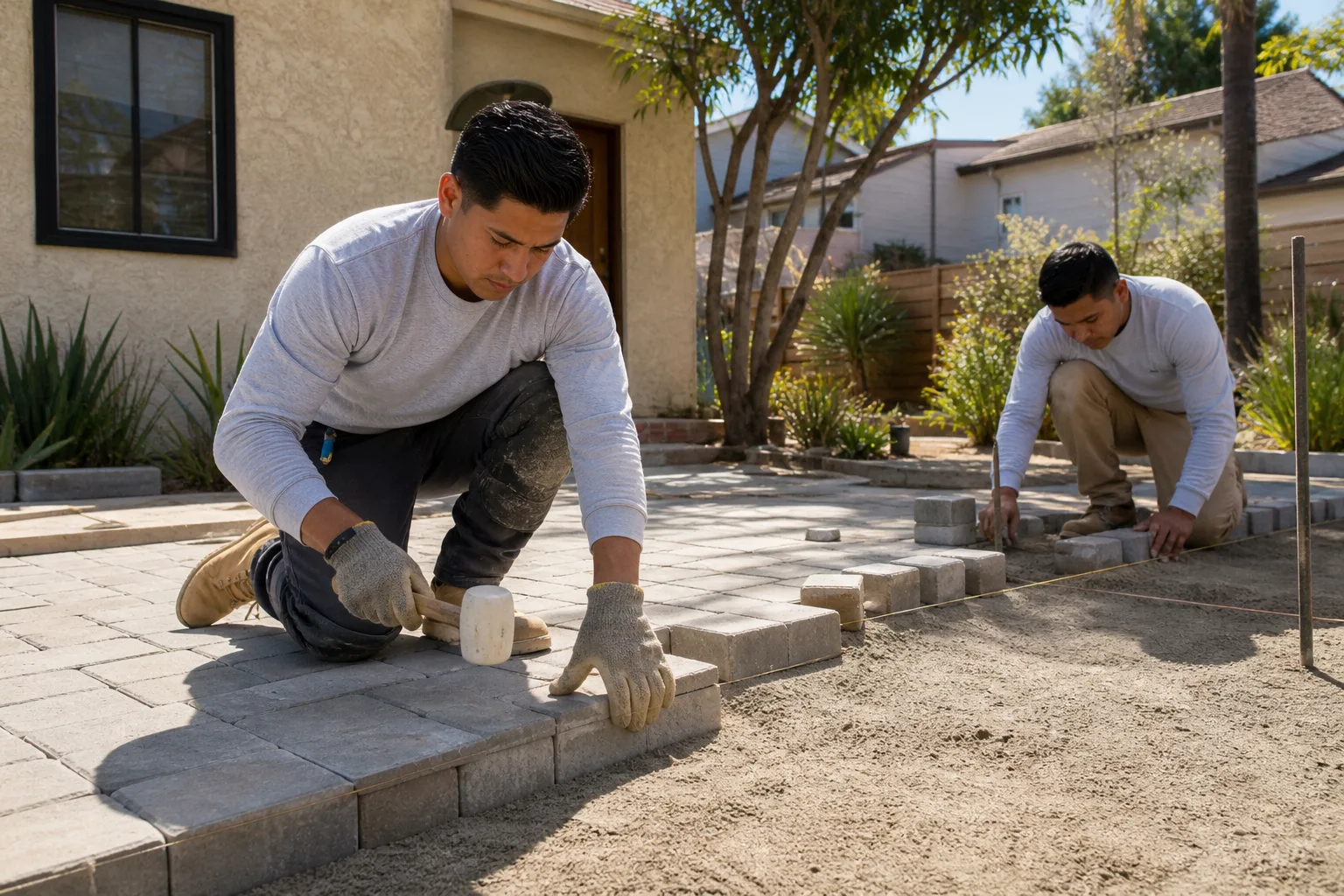
Every paver driveway is a structure, and like any structure it lives or dies on what holds it up. In Mission Viejo that means a compacted aggregate base, placed in lifts and watered and compacted between each one. We specify 4 to 6 inches of compacted Class II base for a residential driveway. Some installers cut that down toward 3 inches to save time and material. It looks fine for a season. Then it doesn’t.
Here’s what the base is doing. It spreads the load of vehicles across a wider area so the soil beneath doesn’t shift. It gives the bedding sand a stable platform so pavers don’t settle unevenly. And it carries water away from the surface through the slope you built into it. Skip depth and compaction, and you get the failure patterns we see most in Mission Viejo: shallow ruts where tires sit, rocking pavers near the garage apron, and joint sand that washes out faster each rainy season.
A few things drive base requirements up or down on a given lot:
- Existing subgrade condition. Old concrete or a previously failed driveway has to come out before anything new goes down.
- Slope and drainage path. A driveway that sheds toward the garage needs a different base and edge restraint plan than one that sheds to the street.
- Vehicle weight. A standard passenger car and an RV impose very different loads. Tell us what parks there.
- Soil type. Local soils vary block to block, and how much they hold water changes how much base depth and drainage work is needed.
Our technicians have up to 8 years of experience with base preparation on Southern California lots, and the honest version is that this part of the job is invisible when it’s done right. If you’re comparing estimates and one is dramatically lower than the others, ask what base depth it assumes. That number usually explains the gap. Detailed pricing and scope for our driveway & pavers work is where we start every conversation, because the base is where the money goes.
Paver Materials Compared: Cost, Lifespan, and Climate Fit
Mission Viejo’s climate is forgiving to hardscape. Winters are mild, we don’t deal with heavy freeze-thaw, and the surface isn’t under snow load. That means several materials that get dismissed in harsher climates do well here, and your choice comes down to look, feel underfoot, and budget rather than survival.
| Material | Typical installed cost per sq ft | Typical lifespan with a proper base | Best for |
|---|---|---|---|
| Concrete pavers | $18 – $28 | 25 – 30+ years | Daily-driver driveways, tight patterns, color consistency |
| Natural travertine | $25 – $40 | 20 – 30 years | Cooler surface underfoot, upscale entry look |
| Permeable pavers | $22 – $38 | 20 – 30 years | Lots with drainage constraints or larger hardscape footprints |
| Porcelain pavers | $30 – $45 | 30+ years | Stain resistance and a modern, uniform finish |
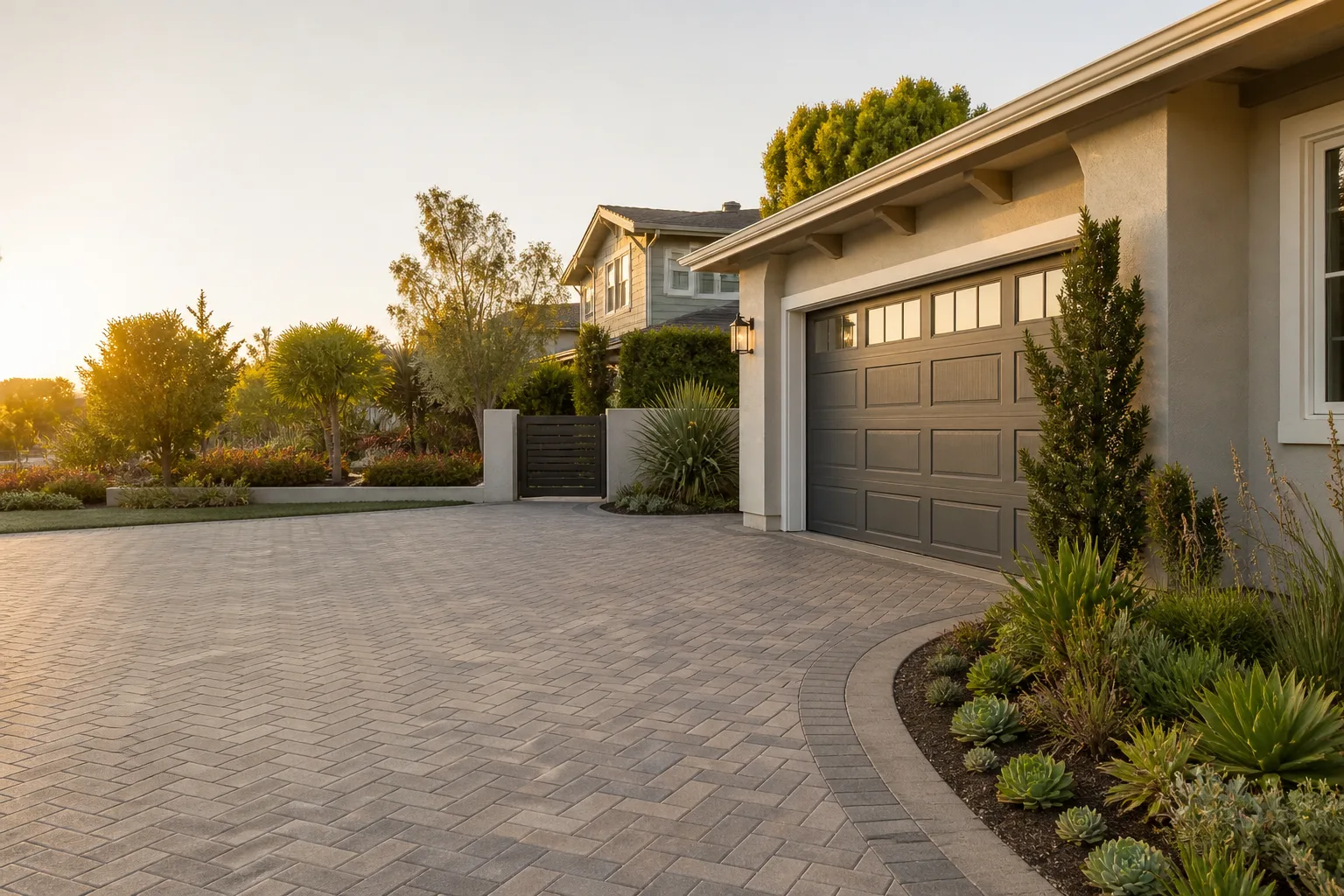
Concrete pavers are the workhorse. They’re engineered for vehicle loads, hold color well in our sun, and can be replaced individually if one cracks. Travertine brings a cooler surface and a look that pairs well with Mission Viejo’s Spanish and Mediterranean architecture, but it’s softer and needs a proper base and a sealer program to hold up under tires. Permeable pavers are worth a real conversation on lots where runoff has nowhere good to go. Porcelain is the newer option, dense and stain-resistant, and it’s the most expensive of the four.
One thing to settle before you fall in love with a look: pavers are the surface, but the lifespan figures above only apply with a correct base and edge restraint. The material sets the ceiling. The installation decides whether you get near it.
Soil, Slope, and Drainage on Mission Viejo Lots
Mission Viejo sits on hillsides and rolling terrain, and that geometry matters more than most homeowners expect. Water has to go somewhere, and on a sloped lot the driveway is often the fastest path downhill. If it runs toward the garage, you’ll find out at the worst possible time.
What we look at during an estimate:
- Where water enters the driveway. Street flow, roof downspouts, and uphill neighbors all contribute.
- Where it needs to exit. A positive slope to the street, a channel drain, or a permeable surface that lets water through to the base and soil below.
- What the soil does with water. Some local soils drain readily; others hold it. That changes base depth and whether a drainage component belongs in the plan.
- How the driveway meets the garage. The apron and the first few feet are where grade problems concentrate, and they’re the reason multi-trade installs go wrong.
Permeable systems earn their cost on lots where impervious surface is tight or where runoff has caused erosion at the curb. A conventional paver surface with a well-drained base handles most Mission Viejo driveways fine. The point is that drainage gets designed, not assumed. When a driveway is part of a larger plan that includes a new home additions & ADU project, we can design the drainage and grades together so the addition’s footprint and the driveway’s runoff don’t fight each other.
HOA Architectural Review: What to Check Before You Order
This is the step that trips up more Mission Viejo homeowners than any technical decision. A large share of the city’s housing sits in planned communities with architectural guidelines, and those guidelines often restrict paver color, pattern, and sometimes the material itself. Ordering before you’ve been approved can mean restocking fees and a stalled project.
Before you buy anything, work through the association’s architectural review process. Request the current guidelines in writing, because they change and a neighbor’s approved driveway from a few years back isn’t proof yours will pass. Submit the application with your material samples, color, pattern, and a site plan. Build the approval timeline into your schedule, because it isn’t always fast.
What associations commonly care about:
- Color families that fit the community palette
- Pattern and layout, especially herringbone versus running bond
- Whether the driveway must match an existing walkway or entry
- Expansion joints and border treatments
- Whether the surface must read as continuous with the street-side apron
We bring material samples so you can hold them against the guidelines and your house together. We know which options tend to clear review cleanly, but the approval is yours to get and the association’s to give. Get the sign-off first, then order. It’s a short step that saves a long delay.
Garage Aprons, Curbs, and Borders: Why One Contractor Matters
A driveway isn’t a standalone slab. It meets the garage apron, the street curb, the walkway, and often a landscape border or retaining edge. Each of those junctions has a grade, and each grade has to meet the next one cleanly. When four different trades each set their own version of where the surface should sit, you get the problem we hear about constantly: a lip at the garage door that catches water, or a border that traps runoff against the house.
The fix is boring and effective. One contractor sets the grades for the whole assembly and holds the tolerance across every junction. Under a single scope, the apron, curb, driveway, and border are all built to one plan. There’s no pointing at the other guy when the water runs the wrong way.
This is the coordination advantage we lean on. A driveway project often lands alongside a fence installation at the property edge, and done together the fence line, the grade at the base of it, and the driveway border are planned as one thing. It works the same when the same homeowner is planning exterior upgrades across the envelope. One point of accountability from the driveway to the roofline means nobody hands your project off mid-stream.
Practically, that means when you call us about a driveway, we walk the whole perimeter. If we spot a grade issue at the fence or the garage, we flag it before the pavers are ordered, not after.
Brands and Warranties: Belgard, Pavestone, and Techo-Bloc
The paver brand matters less than the installer, but it isn’t nothing. Brands set the product range, the color consistency, the jointing system, and the warranty terms. Warranties are where homeowners should actually look, and they vary more than the marketing suggests.
- Belgard offers a deep residential line with structured warranty tiers. Read the tier, not the brochure headline, because the coverage on a commercial grade and a residential grade is usually different.
- Pavestone is a widely available concrete paver brand with solid color ranges and a broad dealer footprint, which helps if you need matching material later for a repair.
- Techo-Bloc is the design-leading option for texture and finish, with warranties that emphasize structural integrity, and it’s the brand many homeowners gravitate to for curb appeal.
Warranty structures differ on what they cover: structural integrity versus color fading versus surface wear, and the length of the coverage window. Ask for the written warranty document, not just the summary on a display board. And understand that most paver warranties assume a correctly installed base. That’s the theme again: the material’s promise is conditional on the installation, and a warranty that depends on base preparation you can’t see is worth exactly what the installer’s workmanship is worth.
We bring options across these brands so you can compare them side by side and choose by look, warranty terms, and budget tier rather than by what’s available. No single-vendor take-it-or-leave-it.
How a Paver Driveway Project Actually Runs, Step by Step
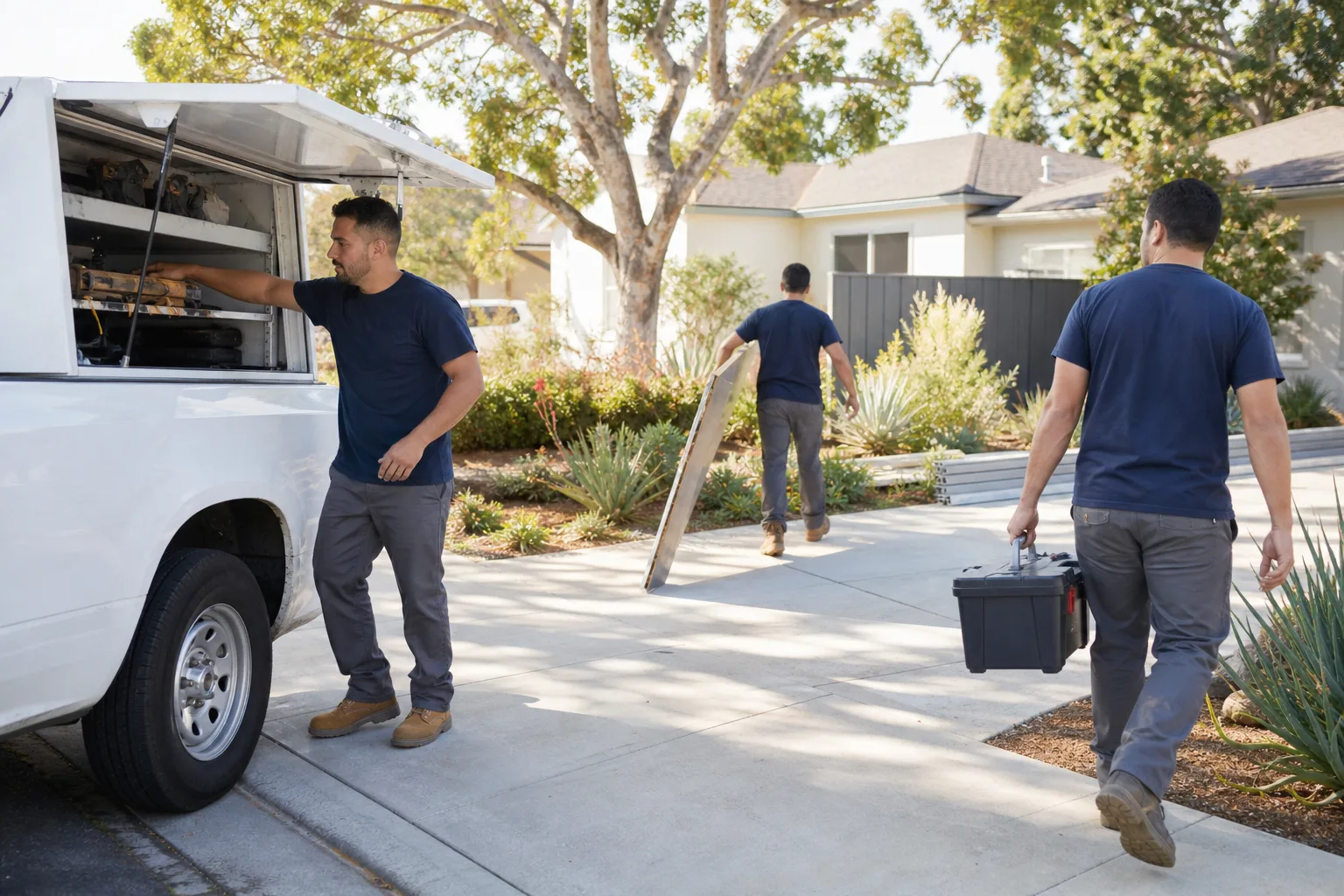
Homeowners ask what the job will feel like more than they ask about any technical detail. Here’s the general sequence for a residential paver driveway in Mission Viejo.
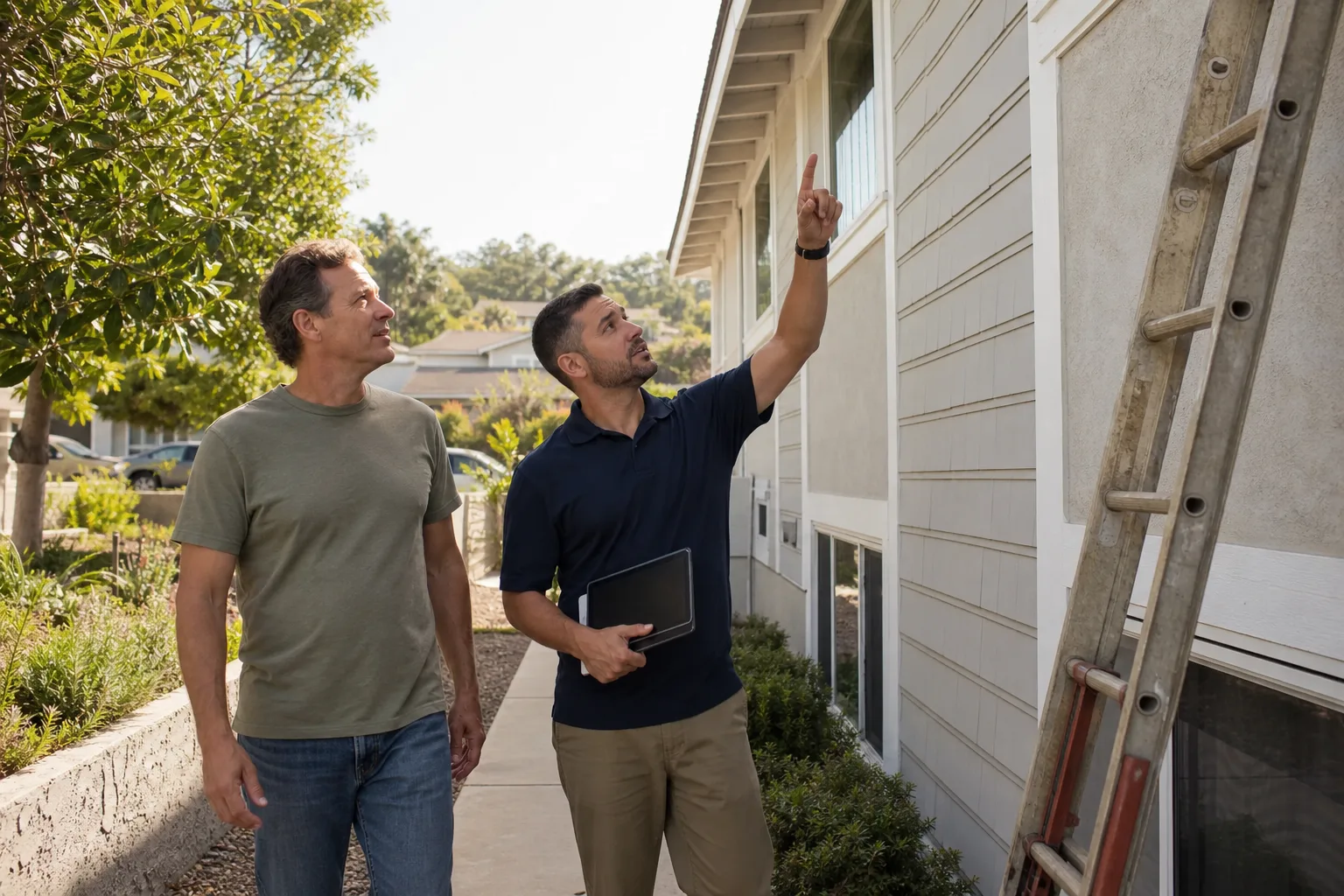
- Estimate and grade walk. We measure the area, check slope and drainage, look at existing subgrade, and discuss material options. You get a written line-item quote.
- HOA approval and material selection. You submit the architectural application with samples we provide. Material is ordered once approved.
- Demolition and removal. Existing concrete, old pavers, or failed material comes out and is hauled away.
- Subgrade preparation and grading. The soil is graded to the planned slope and compacted.
- Base installation. Class II aggregate is placed in lifts, watered, and compacted to 4 to 6 inches, checked for depth and grade.
- Bedding and edging. A bedding layer goes down and edge restraints are set to lock the field in place.
- Paver laying and cutting. Field pavers go down, cuts are made at edges and around the apron.
- Compaction and joint sand. The surface is compacted and joints are filled with sand.
- Final inspection and cleanup. Grades are checked at every junction, the site is cleaned, and the surface is ready for use.
The timeline depends on size, access, drainage work, and material lead times, so we set the schedule in the written estimate. What we don’t do is rush the base to save days. That’s the part that decides whether the driveway is still solid in year twenty.
Keeping a Paver Driveway Looking Right
A paver driveway isn’t maintenance-free, but the upkeep is modest. Joint sand washes and settles over time, and refilling it keeps pavers locked in place and keeps water from getting under the surface. Re-sanding every few years is normal. If a paver cracks or a corner chips, individual units can be lifted and replaced without tearing out the field. That’s one real advantage over poured concrete, where a crack means patching or overlay.
Sealing is optional. Some homeowners want it for color enhancement and stain resistance, others prefer the natural surface. If you do seal, it needs redoing periodically to stay effective. We don’t push it. We explain the trade-off and let you decide.
Keep an eye on the borders and the garage apron, the spots where settling first shows up as a lip or a gap. Catching it early means a small repair instead of a larger one. And check that drainage paths stay clear of debris, especially after the occasional rain, because a driveway that drains correctly when built can still back up if the path is blocked.
Common Mistakes to Avoid
- Choosing a paver before checking the base spec. If an estimate doesn’t tell you the base depth and compaction method, that’s the first question to ask. A beautiful paver on a shallow base fails like any other.
- Ordering material before HOA approval. Mission Viejo’s planned communities often restrict color and pattern. Get written sign-off first, or you risk restocking fees and a stalled schedule.
- Assuming the driveway grades itself to the street. Positive slope has to be designed and built. A flat or reverse-pitched driveway sends water toward the garage door.
- Mixing contractors on adjoining surfaces. When the driveway, apron, and border are built by different trades, the grades rarely match. Set them under one plan with one point of accountability.
- Skipping the drainage conversation. On sloped Mission Viejo lots, runoff is the reason driveways fail. Design where water goes before you pour a base.
- Treating warranty headlines as the whole story. Ask for the written warranty and read what it covers and what it requires. Structural coverage usually assumes a correctly installed base.
- Choosing the lowest bid without reading the scope. A lower number often means less base, thinner edge restraint, or a different material grade. Compare scope, not just price.
See the difference
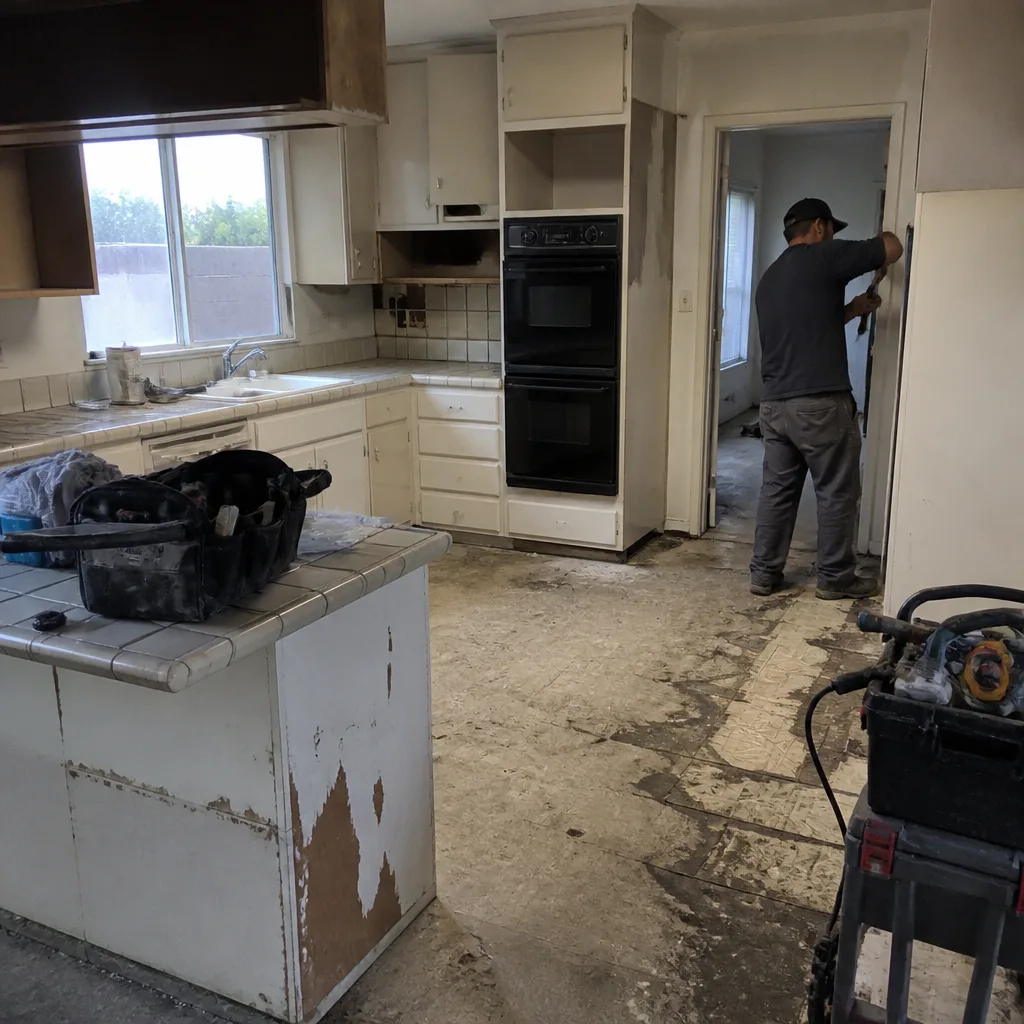 Before
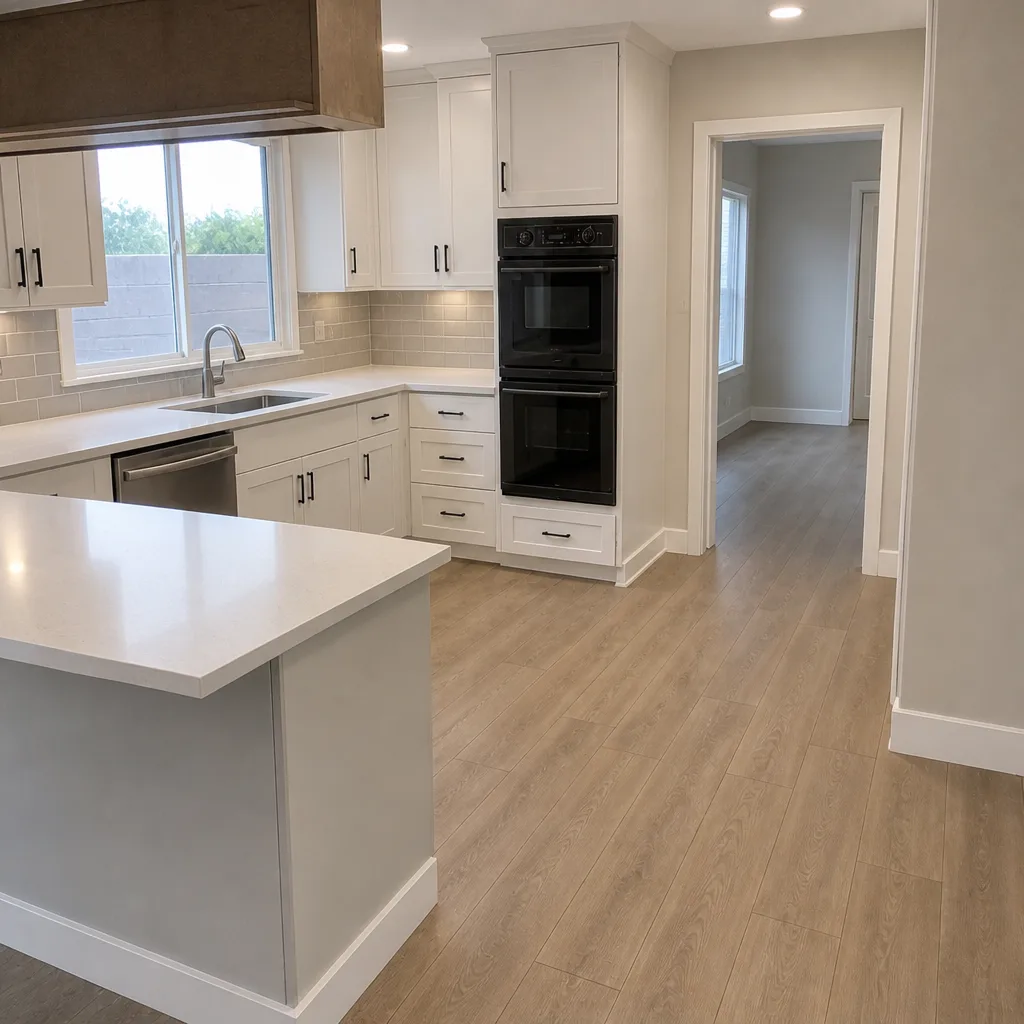 After
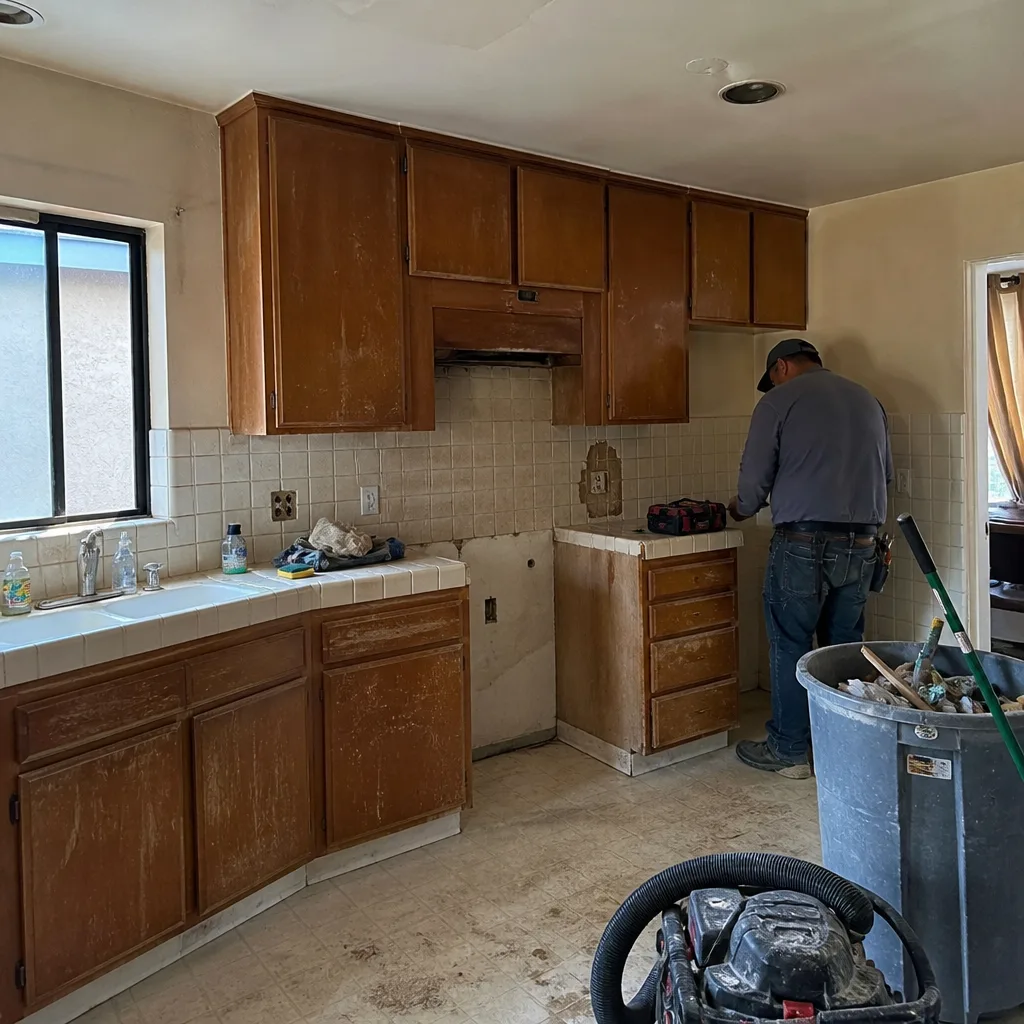 Before
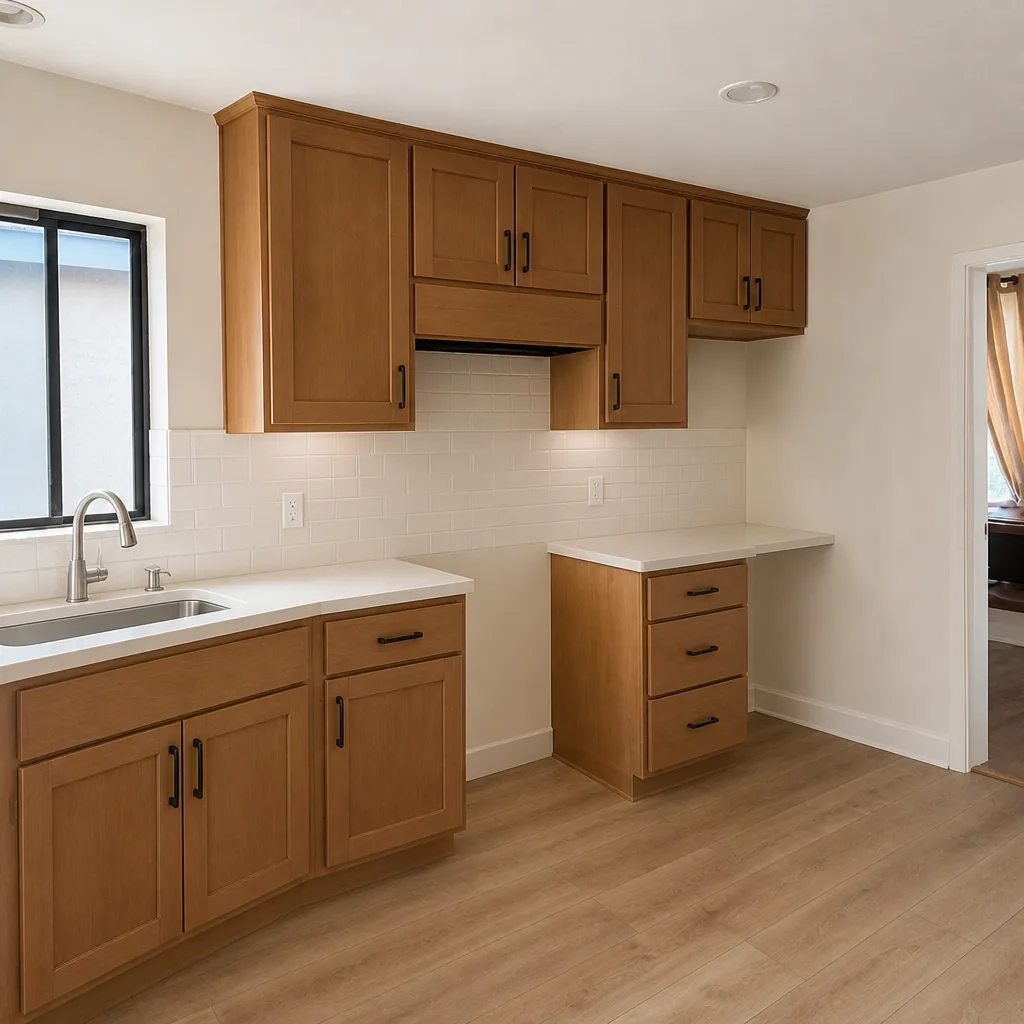 After
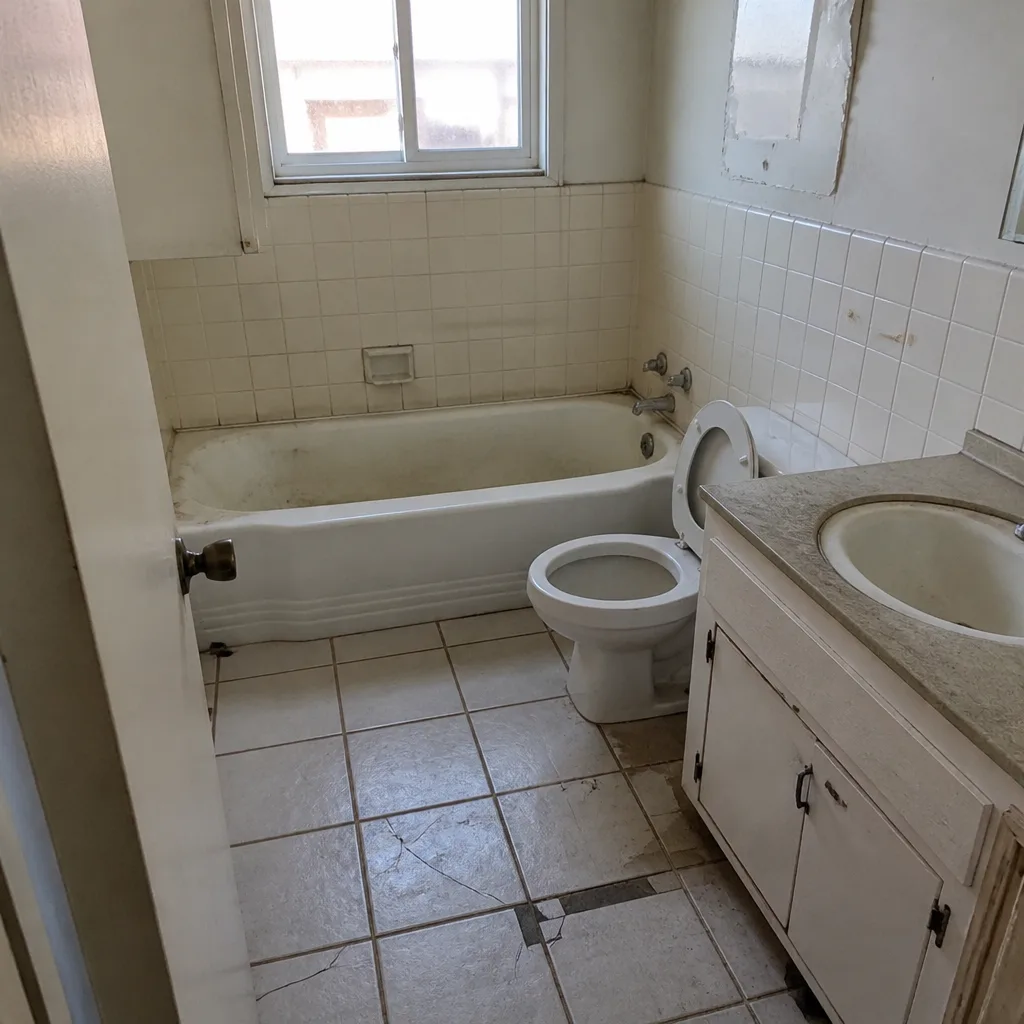 Before
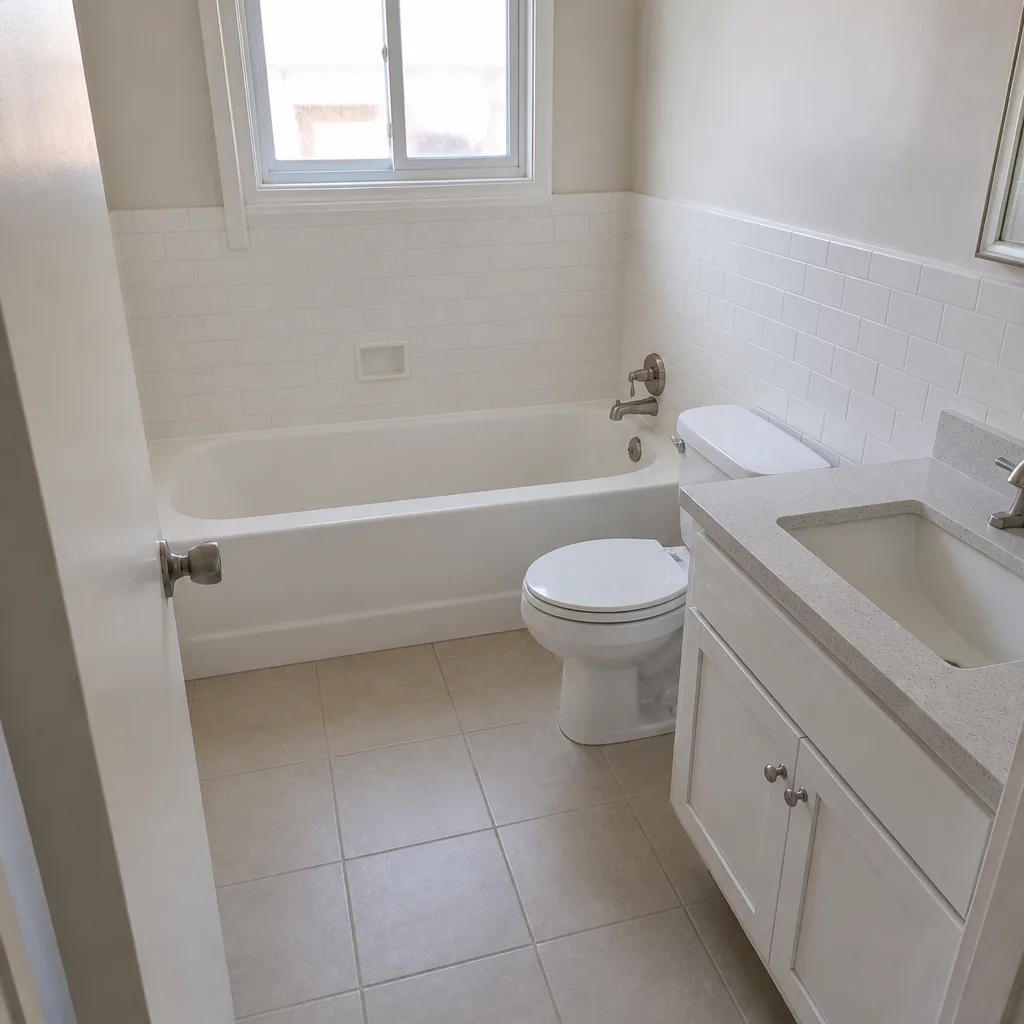 After
When to Call a Professional
The work worth calling in a professional is structural. If the driveway slopes toward the garage, if the base is failing under an existing surface, if a new driveway needs to tie into a house addition or retained lot, or if you’re not sure whether an existing driveway can be salvaged, that’s work for a contractor who understands bases, grades, and drainage. Pavers are not a weekend DIY project for a lot with slope problems. A base you compact by hand and a grade you eyeball will fail, and the repairs cost more than the job would have.
We can walk the whole property, check the grades, look at the HOA path, and give you a written, line-item estimate that spells out the base depth, the material tier, and the timeline. Construction Mission Viejo offers free estimates in Mission Viejo; call (833) 620-5454. We answer 24/7, and fast dispatch from 7am to 7pm, Sunday through Friday.
Frequently Asked Questions
A paver driveway in Mission Viejo typically runs $18 to $40 per square foot installed, depending on the material. Concrete pavers sit at the lower end, travertine and porcelain at the higher end, and permeable systems land in between. The written estimate sets the final price. Call (833) 620-5454 for an exact quote on your driveway.
If your home is in a planned community with architectural guidelines, yes, you typically need approval before ordering. Many Mission Viejo associations restrict paver color, pattern, and sometimes material. Request the current guidelines in writing, submit samples with your application, and build the approval timeline into your schedule. We can provide samples to make that easier.
For a residential driveway, we specify 4 to 6 inches of compacted Class II aggregate base. Some installers go as shallow as 3 inches. That’s the number to compare across estimates, because it decides whether the driveway holds up. The base is placed in lifts, compacted between each, and checked for depth and grade.
Concrete pavers and porcelain pavers both reach 30-plus years with a proper base, and Mission Viejo’s mild climate is kind to all four common materials. Porcelain is dense and stain-resistant, concrete pavers are the workhorse, travertine brings a cooler surface, and permeable pavers handle drainage. The base and drainage decide whether any of them reach that lifespan.
Often yes. Individual pavers can be lifted, the base beneath can be corrected, and the unit reset, provided the failure is localized. If the settling is widespread, the base is usually the cause and a larger repair is the honest answer. We check the base condition before recommending a fix. Call (833) 620-5454 and we’ll walk it with you.
Yes, and it’s often the better way to plan it. Combining the driveway with a fence line, a garage apron, or a home addition means one contractor sets the grades for the whole assembly, which avoids the mismatch problems that show up when separate trades build adjoining surfaces. Call (833) 620-5454 to discuss scope.
The Bottom Line
Your driveway is a structural decision, and the base under it is what decides whether it lasts eight years or thirty. Pick the paver you love, but verify the base depth, the drainage plan, and the edge restraint before you compare prices. In Mission Viejo, the extras that matter are HOA review, sloped-lot drainage, and making sure the driveway, apron, and border are graded under one plan. Get the base right and the good news is the rest is a design choice. For that, we bring the options from brands like Belgard, Pavestone, and Techo-Bloc, and you make the call.
When you’re ready to price it, call (833) 620-5454. We answer 24/7, and fast dispatch from 7am to 7pm, Sunday through Friday. Estimates are free, written line-item quotes, and the final price is set by the written estimate. From the driveway to the roofline, Construction Mission Viejo keeps it under one point of accountability.
Written by the team at Construction Mission Viejo.