Last updated November 18, 2026



Free written scope consultation - allowances, timeline, and change-order rules on paper before a single trade is scheduled
DIY vs Professional Construction: The Mission Viejo Homeowner’s Decision Guide
Installing your own pavers on a Mission Viejo driveway won’t void your homeowner’s insurance. But putting them down without proper sub-base compaction on this area’s clay soil means you’ll be pulling them back up within a few years, and that redo costs more than hiring the job out the first time. The line between DIY and professional construction isn’t really about skill level. It’s about permit exposure, HOA compliance, and the specific ways work fails when it’s sequenced wrong for this climate and this ground. This guide gives you a framework for drawing that line on your own property, project by project, so you spend your effort where it saves money and hire out where it protects your investment.
Quick Answer
DIY makes sense in Mission Viejo for cosmetic, permit-exempt work: interior paint, cabinet hardware, landscaping, and finish swaps that don’t touch structure, wiring, plumbing, or the exterior envelope. Hire a licensed professional for anything that requires a permit, changes the structure or roofline, involves electrical or gas, or alters your home’s exterior where an HOA has jurisdiction. The deciding test isn’t whether you can swing a hammer, it’s whether the work creates liability you can’t unwind.
Styles & brands we work with
- Kitchen remodeling
- Bathroom remodeling
- Home additions & ADU
- Roofing
- Windows & doors
- Driveway & pavers
- Fence
Table of Contents
- The Permit-Trigger Test: What You Can Legally Do Yourself in Mission Viejo
- HOA Jurisdiction Over Exterior DIY Work
- The Hidden Cost Model for DIY Projects
- Where Professional Coordination Pays for Itself
- The Hybrid Model: Phases Where Your Sweat Equity Works
- Project-by-Project: Roofing, Windows, Kitchens, Baths, Additions, Fences, and Driveways
- Why Mission Viejo’s Soil and Climate Change the Math
- Common Mistakes to Avoid
The Permit-Trigger Test: What You Can Legally Do Yourself in Mission Viejo
Most cities require a permit for structural work, and Mission Viejo is no exception. The permit question is the first fork in any DIY decision, because unpermitted work becomes a disclosure problem the moment you sell. California sellers must disclose known unpermitted improvements, and buyers treat them as negotiation leverage or walk away. That’s the risk you’re carrying when you skip the permit, and it has nothing to do with how good the finished work looks.
Here’s the framework we use to sort projects into three buckets:
Bucket one – genuinely permit-exempt. Interior paint, flooring over an existing subfloor, cabinet refacing, countertop swaps that don’t move plumbing, landscaping, and fence repairs that stay within your existing fence line and height limit. These are the projects where a careful homeowner can save real money.
Bucket two – permit required, and the permit is the whole point. Anything structural: wall removal, room additions, ADUs, new roofing, window and door replacements that change the opening size, electrical panel work, gas line work, and driveway replacement that changes grading or drainage. A permit means an inspection, and an inspection is your proof that the work meets code.
Bucket three – gray area. Replacing a like-for-like window without changing the rough opening, re-staining a fence, swapping a bathroom vanity. The rule of thumb: if the work touches the building envelope, the electrical system, the plumbing system, or the structure, treat it as permitted until your city’s building department tells you otherwise. Call them. The person on the phone will tell you in two minutes whether your project needs a permit, and that call is free.
A permit isn’t red tape. It’s the paper trail that lets you sell, refinance, and insure the home without a cloud over the improvement. When you’re weighing the DIY savings, put the permit disclosure risk on the cost side of the ledger.
HOA Jurisdiction Over Exterior DIY Work
Mission Viejo is heavily organized into homeowner associations, and the HOA has jurisdiction over your exterior whether or not the city does. That means a project can be perfectly legal under city code and still get you a compliance letter. HOAs here commonly enforce paint colors, roof materials and profiles, fence height and style, hardscape and paver appearance, window frame color, and the visibility of equipment or additions from the street.
Here’s what trips up DIY homeowners: architectural approval usually has to happen before the work starts, not after. Most HOAs want a submittal with a description of the work, product specifications or samples, a site plan showing placement, and sometimes a neighbor acknowledgment. If you install first and submit later, you may be ordered to remove or restyle the work to match the association’s standards, and that’s a cost you can’t argue your way out of.
Before you buy a single bag of driveway & pavers material or a single fence panel, do three things:
- Pull your CC&Rs and architectural guidelines and read the sections on exterior changes.
- Submit the architectural application with product details and photos or samples, and get written approval.
- Keep the approval on file with your permit documents, so a future buyer can see the work was authorized.
When we handle exterior work, HOA submittal becomes part of the project scope, not an afterthought. We bring the product options and the specifications the board wants to see. You make the call on style. The point is that HOA compliance is a sequencing problem, and sequencing it wrong is what turns a weekend project into a removal project.
The Hidden Cost Model for DIY Projects
The number on the price tag at the home center isn’t your project budget. The real cost of DIY includes material waste, tool rental, permit fees if you go the legal route, and the probability of a redo. Five common Mission Viejo projects illustrate how the math actually works.
- Paver driveway. Bagged base material and joint sand from brands like Quikrete or Sakrete run higher per square foot than bulk delivery, and the compaction equipment you’ll rent is the single most important tool on the job. If the base isn’t compacted in lifts, pavers shift and settle within a season or two. The redo is the whole job plus removal.
- Fence installation. Post holes set in this clay soil need proper depth and concrete. A one-post failure means resetting a run. Bulk panels and posts from suppliers like Master Halco cost less than box-store equivalents, but only on a job where the layout is measured right the first time.
- Bathroom tile and vanity. Tile waste on a DIY layout runs high because cuts get recut. Moving the vanity without moving the plumbing saves nothing when the new fixture doesn’t line up.
- Interior paint. The one category where DIY reliably wins. Prep and paint cost almost entirely at the labor you provide.
- Kitchen cabinet refacing versus replacement. Refacing hides problems inside the boxes. Replacement done wrong racks the cabinet line, and doors stop closing squarely.
Rental costs matter too. A plate compactor, a tile saw, a scaffold, a nailer: the daily rental adds up fast on a project that stretches over several weekends. We see homeowners underestimate material waste on cuts and overages, then buy a second batch that comes from a different dye lot or profile. Professional sourcing solves that by ordering the full quantity in one lot from a single manufacturer line.
Where Professional Coordination Pays for Itself
Some projects fail not because any single trade did bad work, but because the trades were sequenced wrong. That’s where the savings from hiring separate specialists evaporates. A window or door replacement that changes an opening size touches framing, exterior finish, and sometimes electrical for the new unit’s wiring. If the framer and the stucco finisher don’t coordinate, you get a patch that never quite matches and a leak point that only shows up in the first rain.
The classic coordination gap in a Mission Viejo remodel is the electrical-framing-drywall sequence. Electrical rough-in has to be inspected before the walls close. Framing has to be final before the electrician can run wire. Drywall waits on both. Get the order wrong and you’re cutting open a finished wall. The rework costs more than the original trade markup ever saved.
Roofing is another case. Tear-off, deck inspection, underlayment, and finish have to happen in one continuous window because the house is open to the weather. A DIY weekend roof on a house with any complexity in the pitch or penetrations creates leak exposure, and once the deck has been exposed to rain, the scope grows.
This is why we handle the full envelope as one scope. Roofing in GAF, CertainTeed, or Owens Corning, windows from PGT, CGI, or Therma-Tru, doors, siding in James Hardie, fencing in Master Halco, Ameristar, or Barrette, pavers in Belgard, Unilock, or Techo-Bloc: they’re one point of accountability from the driveway to the roofline. No handoff, no finger-pointing when two trades disagree about whose opening needs to be closed first. On a permit-heavy project, that coordination is what keeps inspections passing and the timeline honest.
The Hybrid Model: Phases Where Your Sweat Equity Works
You don’t have to choose between full DIY and full professional. The hybrid model lets you contribute real labor on phases where homeowner involvement saves money without creating liability, and hands the technical phases to a licensed pro. This is how we structure many Mission Viejo projects, and it works because it puts your effort where it’s genuinely valuable.
Here’s the split we recommend:
- Demo and haul-away. You can pull out old cabinets, tear up carpet, or strip a bathroom to studs if the demo doesn’t touch structure, electrical, or plumbing. Protective gear, dust control, and where to stop before you hit a load-bearing wall: that’s the boundary.
- Design and selection. Walk showrooms, pick finishes, compare the material tiers. Your taste and your budget decide this. We bring the options from the brand roster; you make the call.
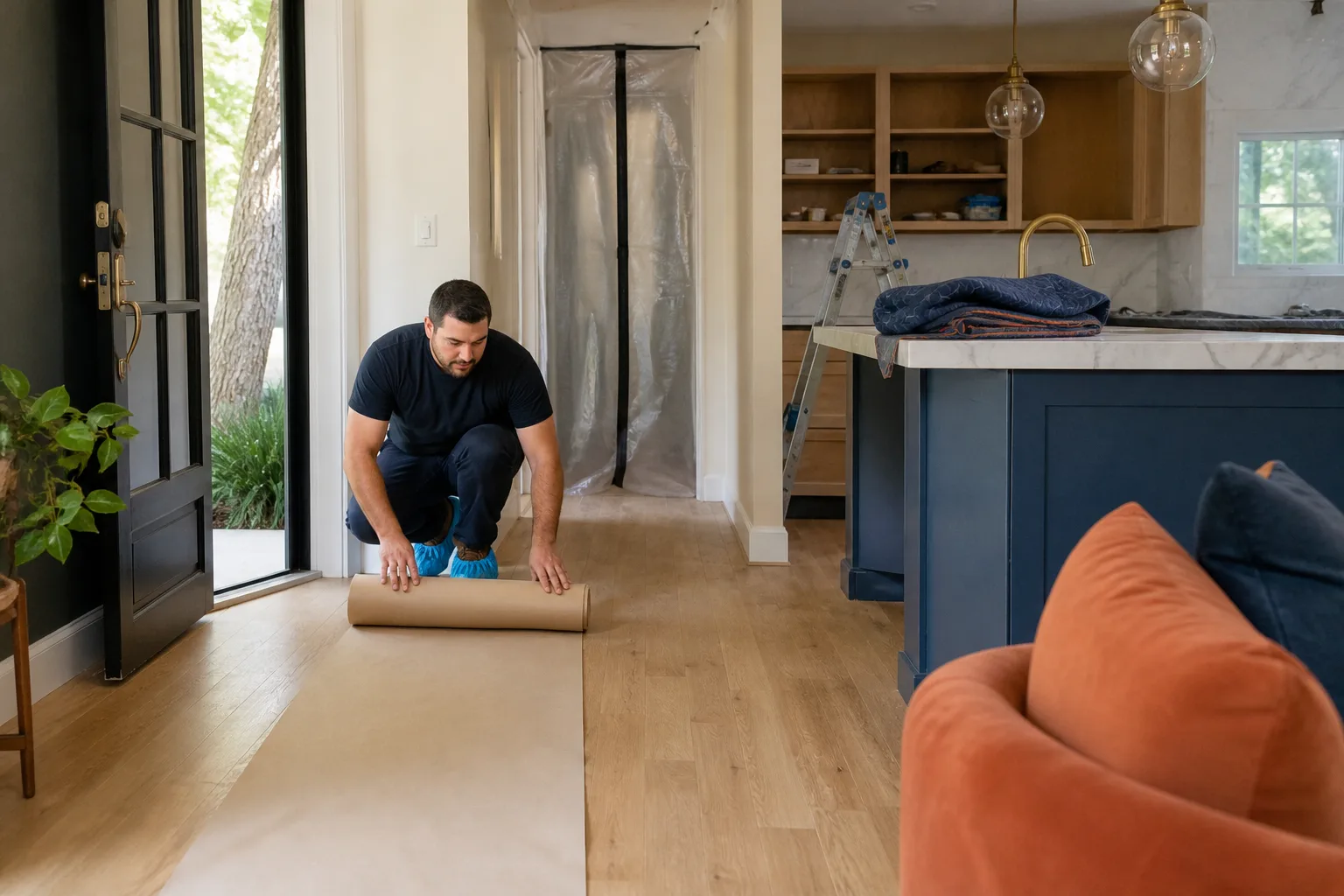
- Prep work. Masking, floor protection, and clearing the site. Reliable and safe.
- Permitted and structural phases. Framing, electrical, plumbing, gas, roofing, and any change to the building envelope. Licensed and inspected, every time.
- Finish punch list. Touch-up paint, final hardware installs, cleanup. The parts where your attention to detail is worth more than our crew’s hour.
An addition or ADU is the clearest example of where the hybrid model pays and where it doesn’t. The design, permitting, foundation, framing, utilities, and final inspection should be professional, full stop. But selecting finishes, deciding on a prefab versus site-built approach (an Abodu or a traditional build), and coordinating the landscape afterward are phases where homeowner involvement saves real money without touching the structural core. That’s where home additions & ADU work makes the most sense as a partnership.
Project-by-Project: Roofing, Windows, Kitchens, Baths, Additions, Fences, and Driveways
Each of the seven categories we work in has a different DIY risk profile. Here’s the honest breakdown of where a homeowner can go it alone and where the liability outweighs the savings.
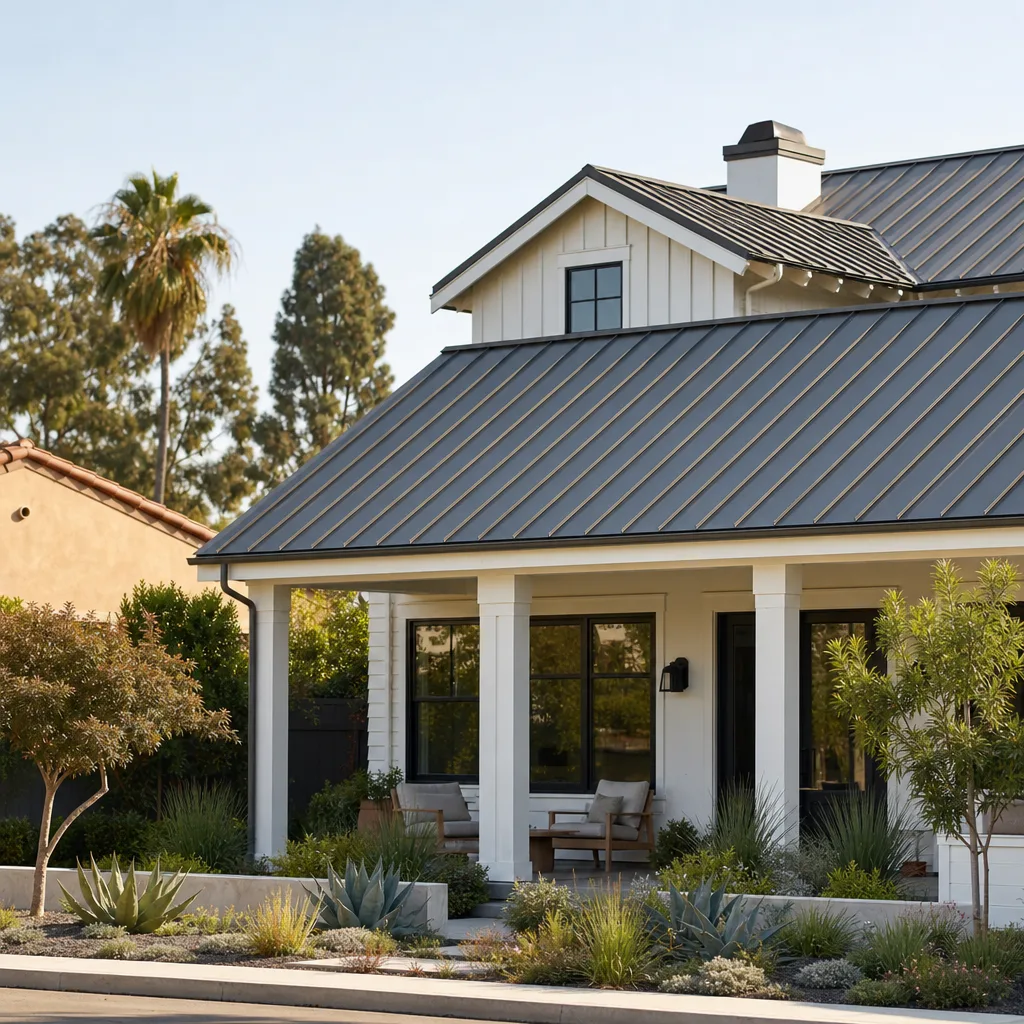
Roofing. Full replacement is professional work. Steep pitches, fall risk, and the open-to-weather sequencing make it one of the most dangerous jobs on any home. A leak from a DIY patch can rot the deck before you see it. This is also a permitting category. Hire it out.
Windows and doors. Like-for-like swaps of interior doors are homeowner territory. Exterior window replacement that changes the opening, the flashing, or the finish is professional, permitted work. Water intrusion at a badly flashed window is one of the most common and expensive failure modes we get called to correct.
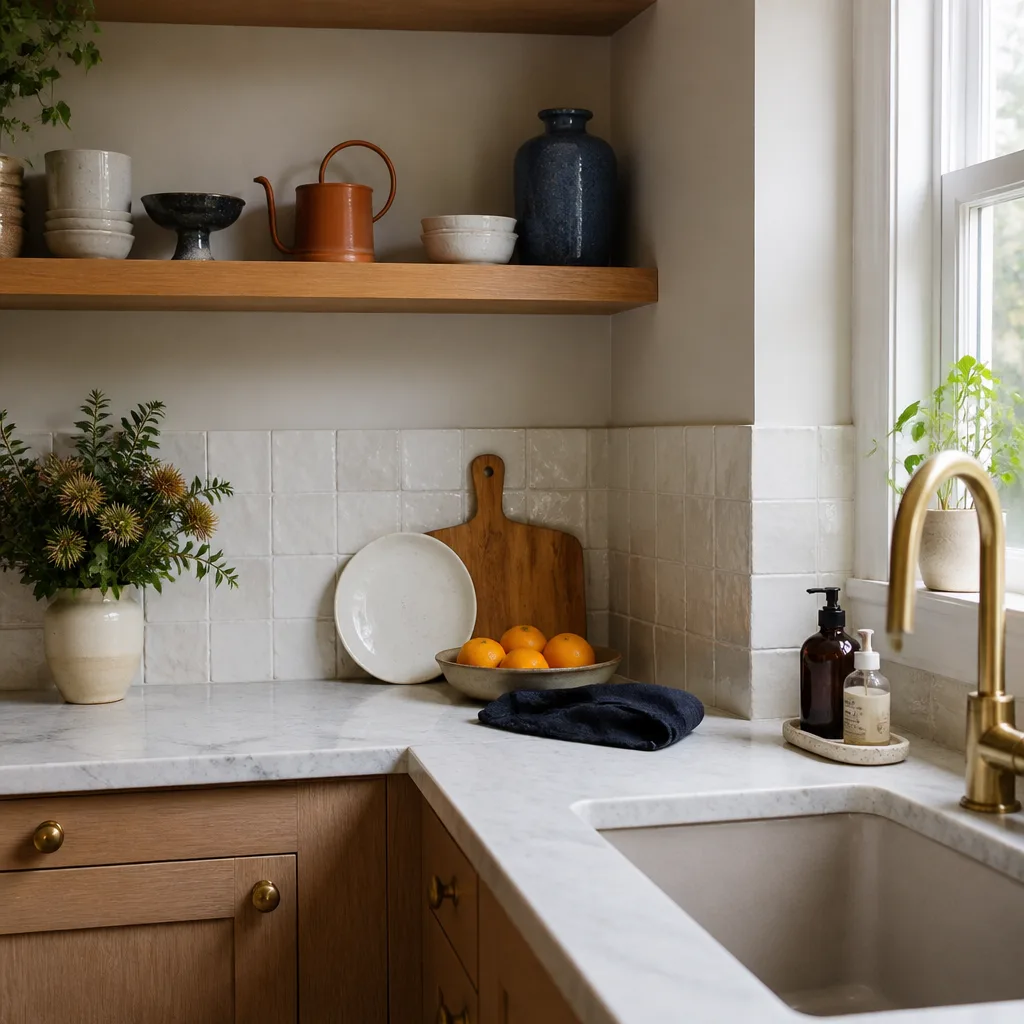
Kitchen remodeling. Cabinet refacing and hardware are DIY-friendly. Moving a sink, changing a range from electric to gas, or relocating a dishwasher is not. The plumbing and gas work require a permit and a licensed trade. Choose your cabinet line and countertop brand; leave the install and the rough-in to the pro.
Bathroom remodeling. Paint and fixture swaps are homeowner work. Waterproofing, tile over a shower floor, and any plumbing relocation are professional. A leaking shower pan discovered after the tile is set means a full redo.
Home additions and ADUs. Fully professional from foundation to final inspection. This is structural, permitted work that requires general contractor standing and local code knowledge.
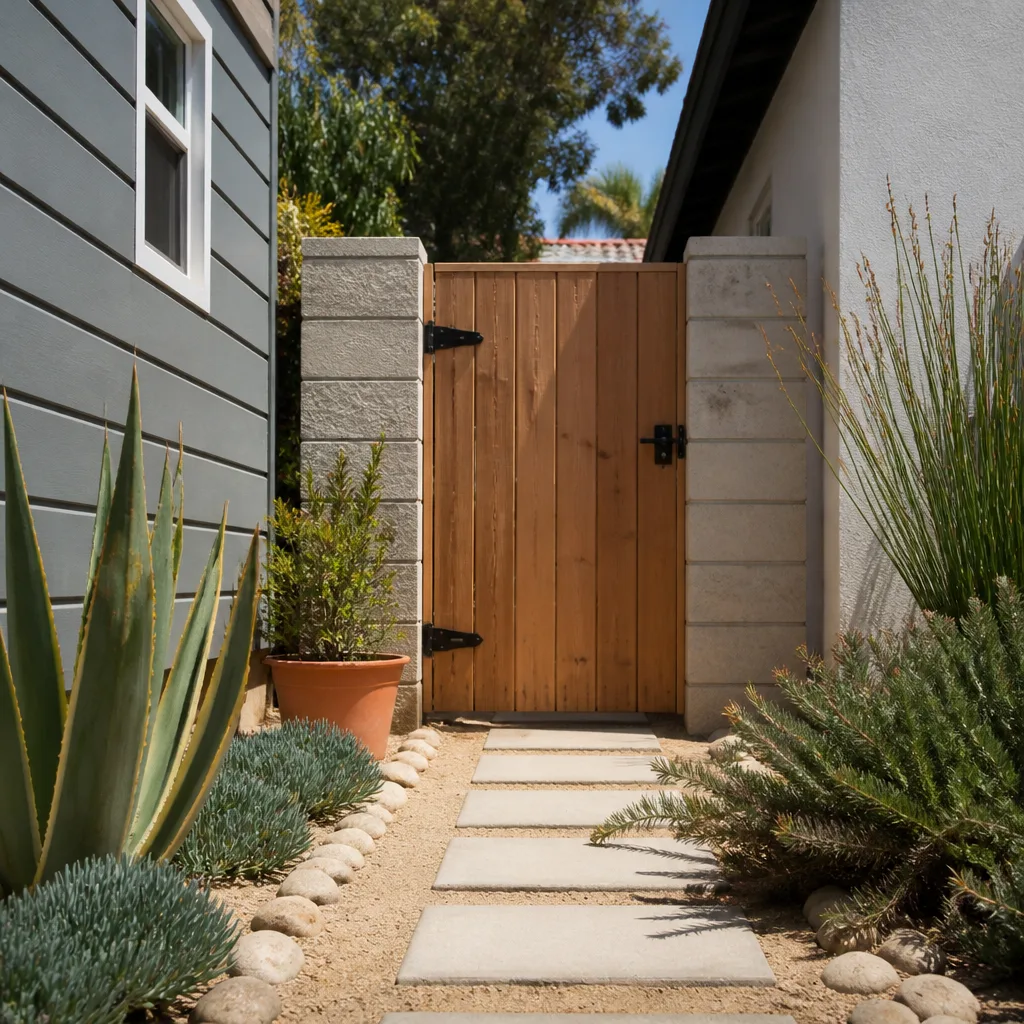
Fence installation. Repairs and staining are DIY. A full fence installation on this clay soil requires proper post depth, concrete, and layout, plus HOA approval and sometimes a property-line check. Worth hiring.
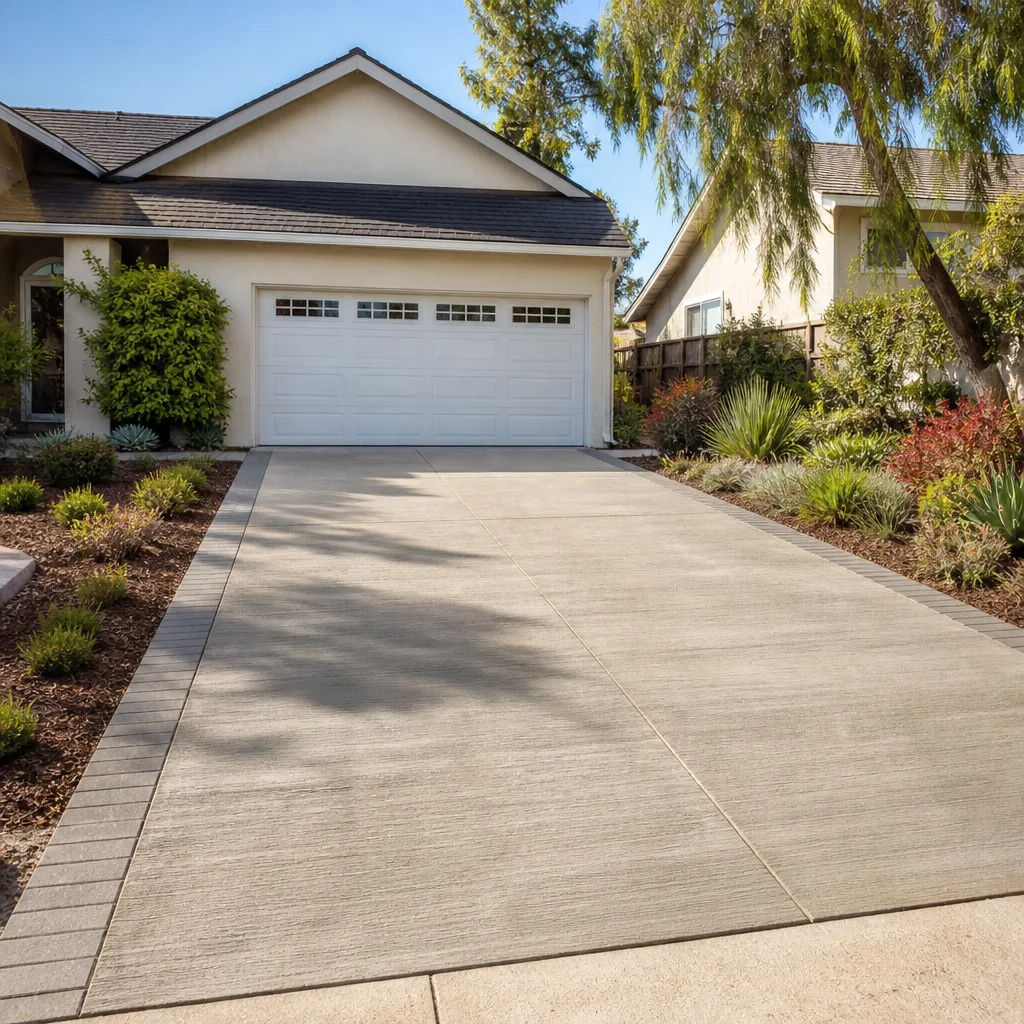
Driveway and pavers. Small paver patios are within reach for a careful homeowner. A driveway or a full hardscape is professional, because compaction and base prep determine whether the surface lasts.
Why Mission Viejo’s Soil and Climate Change the Math
The soil under much of Mission Viejo is clay-heavy, and clay behaves differently than sandy or loamy ground. It expands and contracts with moisture, drains slowly, and doesn’t compact the way a homeowner might expect. Paver base installed without proper lift compaction and a compacted sub-base will settle unevenly, and the first place you’ll notice is the driveway. Fence posts set shallow in clay heave and lean within a season. This is the single biggest reason DIY hardscape and fencing fail here.
The climate matters too. Summers run hot and dry, and the rainy season comes in a concentrated window. A roof, a window, or a door that isn’t flashed and sealed correctly won’t fail in July. It fails in the first sustained rain, and by then the damage is behind the wall. Irrigation and drainage design on a reworked driveway or patio has to account for how quickly water moves on the site; standing water against a foundation is a problem you don’t want to discover after the pavers are set.
Homes in Mission Viejo also sit on slopes in many neighborhoods, which changes how water moves across a lot. A paver driveway or patio poured or installed flat without regard to grade can direct water toward the house. This is the kind of site-specific judgment that gets baked into a professional layout and is nearly impossible to correct after the fact. We look at the grade, the drainage path, and the soil before recommending a base and a layout. That’s not padding; it’s the difference between a surface that lasts and one that doesn’t.
Common Mistakes to Avoid
- Skipping the HOA architectural submittal. The city permit and the HOA approval are two separate gates. Passing one doesn’t mean you’ve passed the other, and installing before the board signs off can mean removal.
- Compacting pavers or base material with a hand tamper on a clay subgrade. It looks tight and won’t hold. The base needs mechanical compaction in thin lifts, or the surface settles.
- Replacing a window or door without addressing the flashing. A well-installed unit in a badly flashed opening still leaks. The opening and the finish are as important as the unit.
- Moving plumbing to save on a bathroom or kitchen. The savings from not hiring a plumber disappear when the new drain doesn’t line up and the tile has to come back up.
- Treating an unpermitted addition as a future problem. It’s a problem the day you list the house, and buyers price it in. Permitted, code-compliant work is part of the value.
- Buying materials in multiple batches. Pavers, tiles, and roof shingles from different dye lots or production runs don’t match. Order the full quantity in one lot.
- Renting the wrong tool. A plate compactor, a proper tile saw, and a nailer are not interchangeable, and the wrong tool is worse than no tool on the job.
See the difference
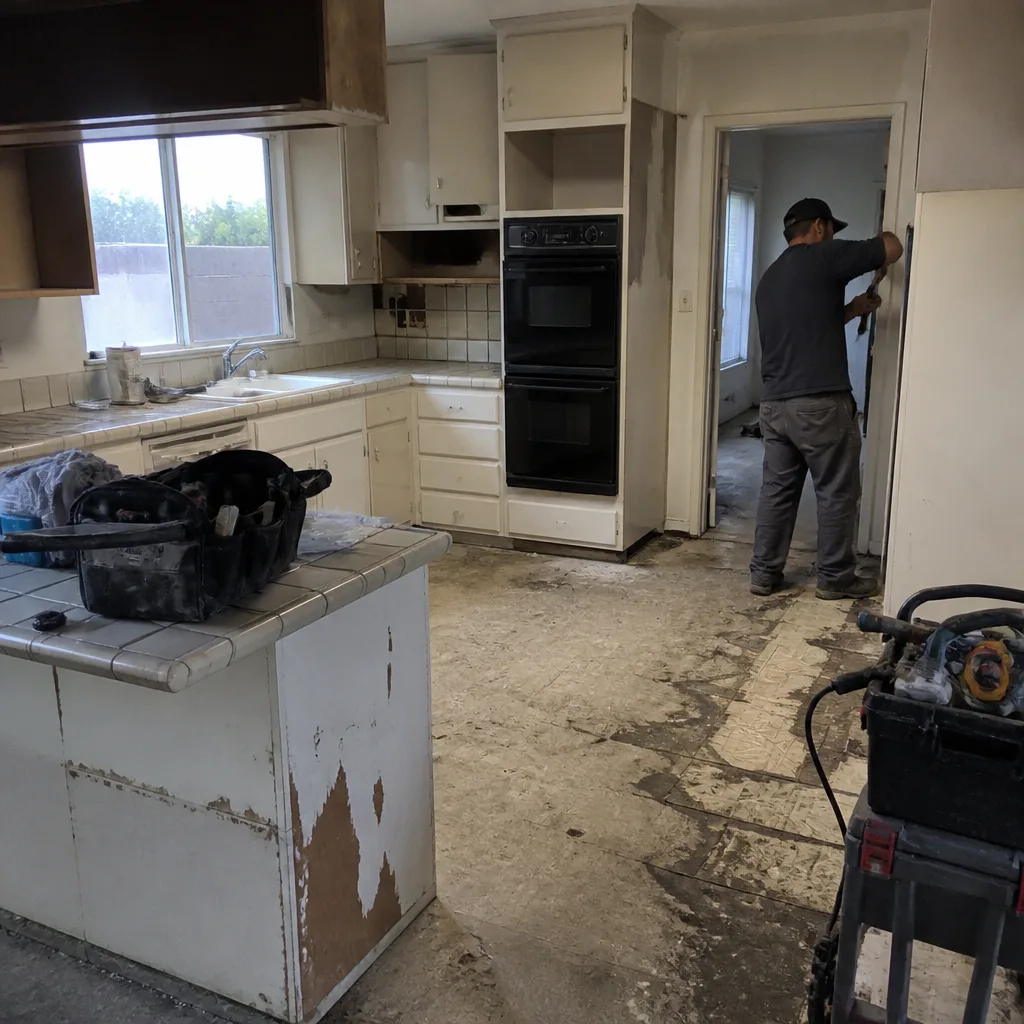 Before
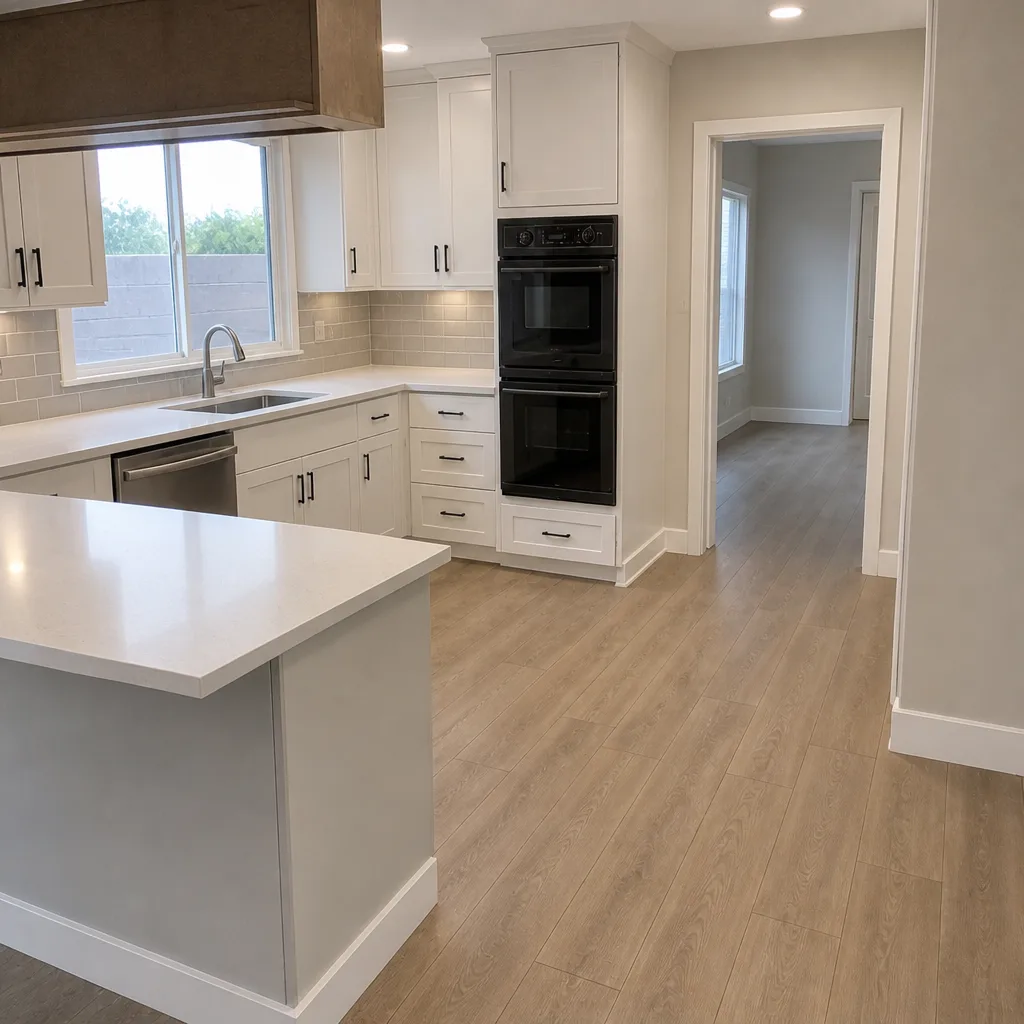 After
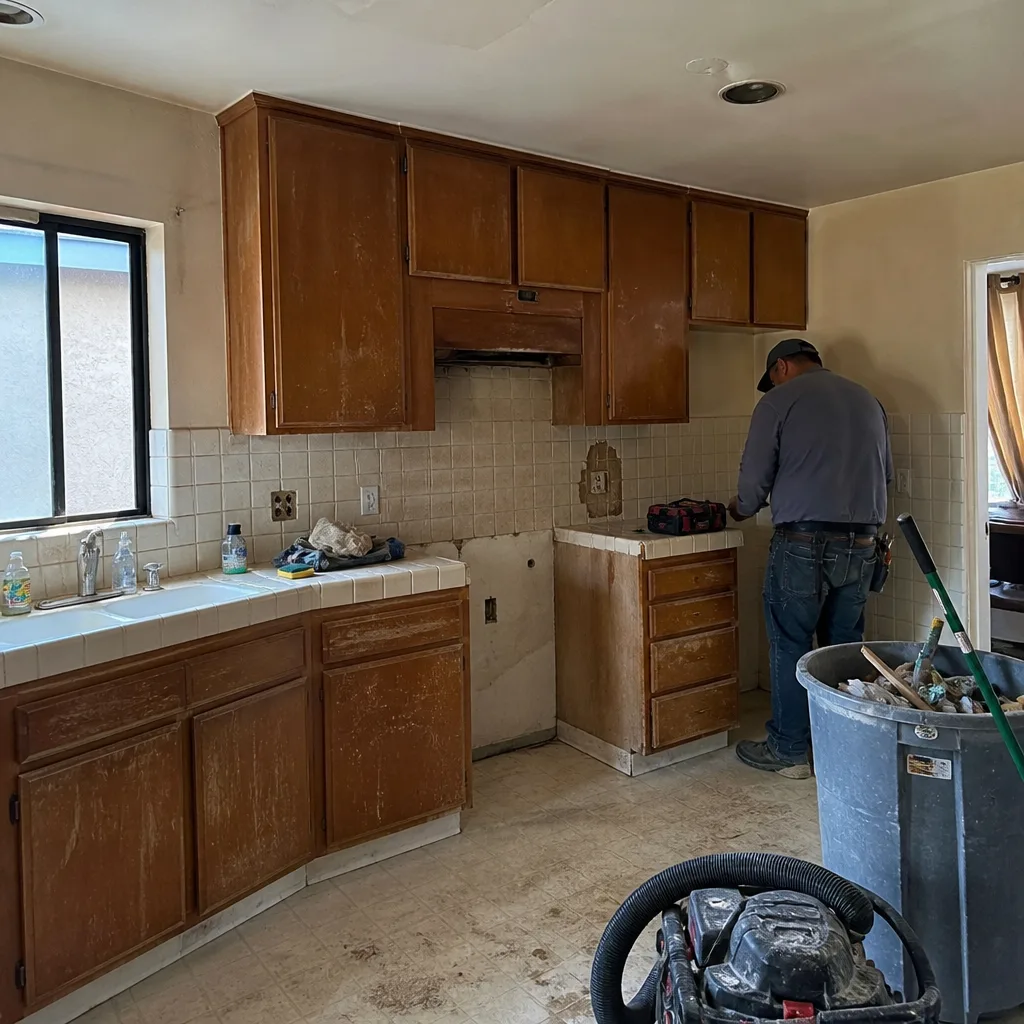 Before
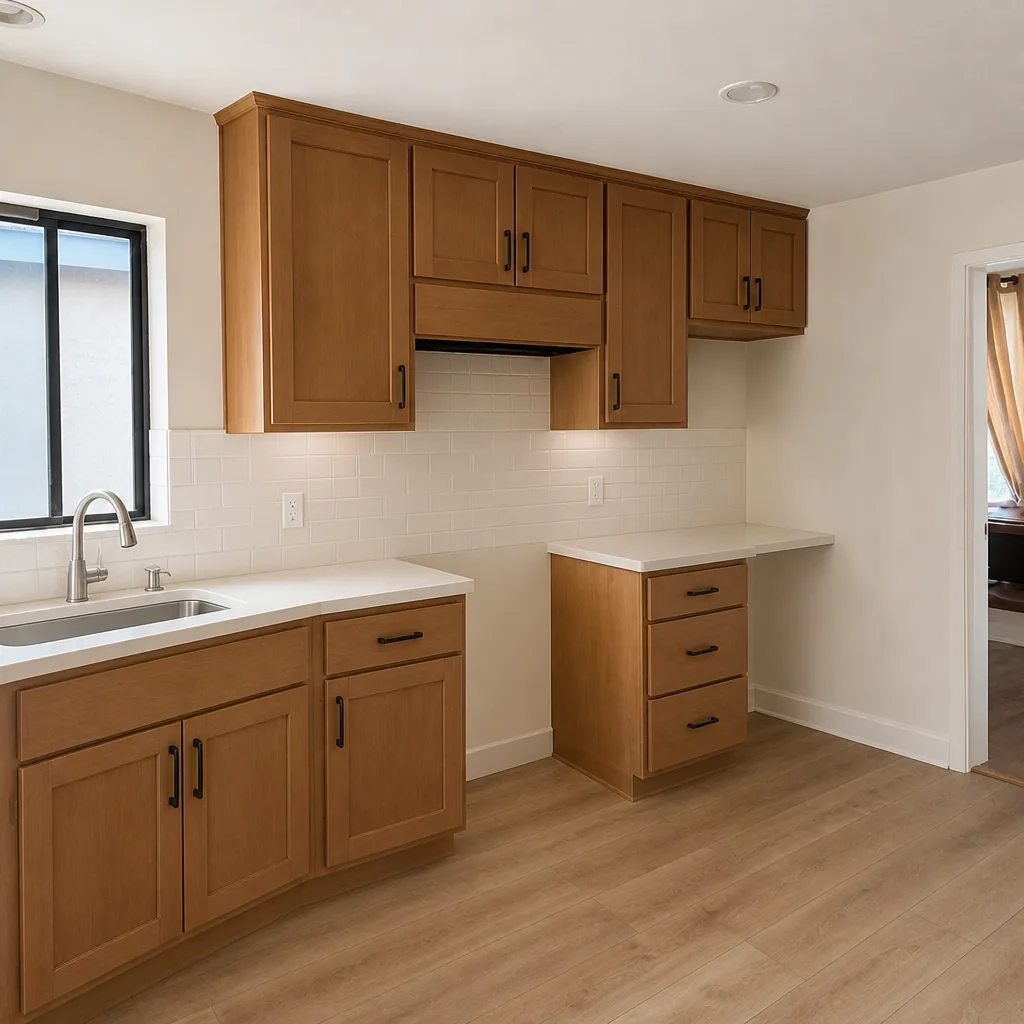 After
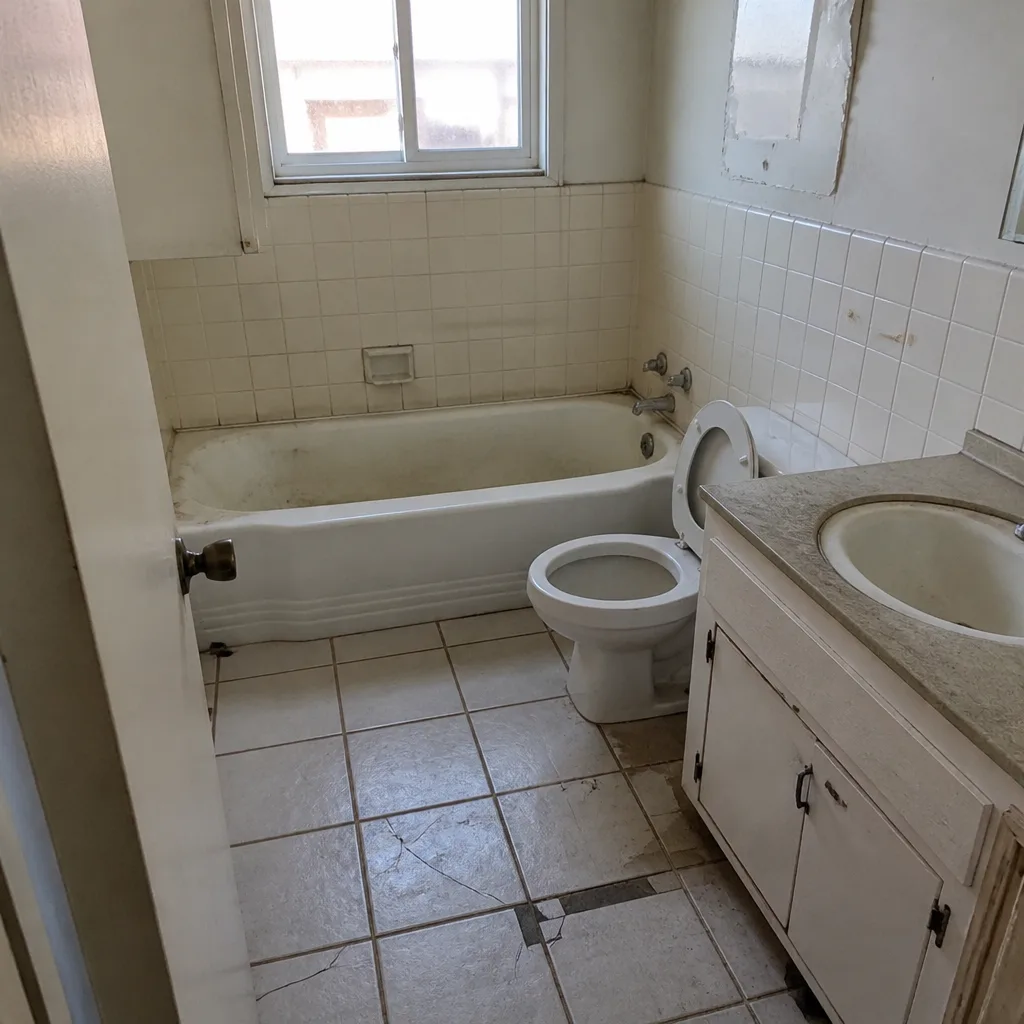 Before
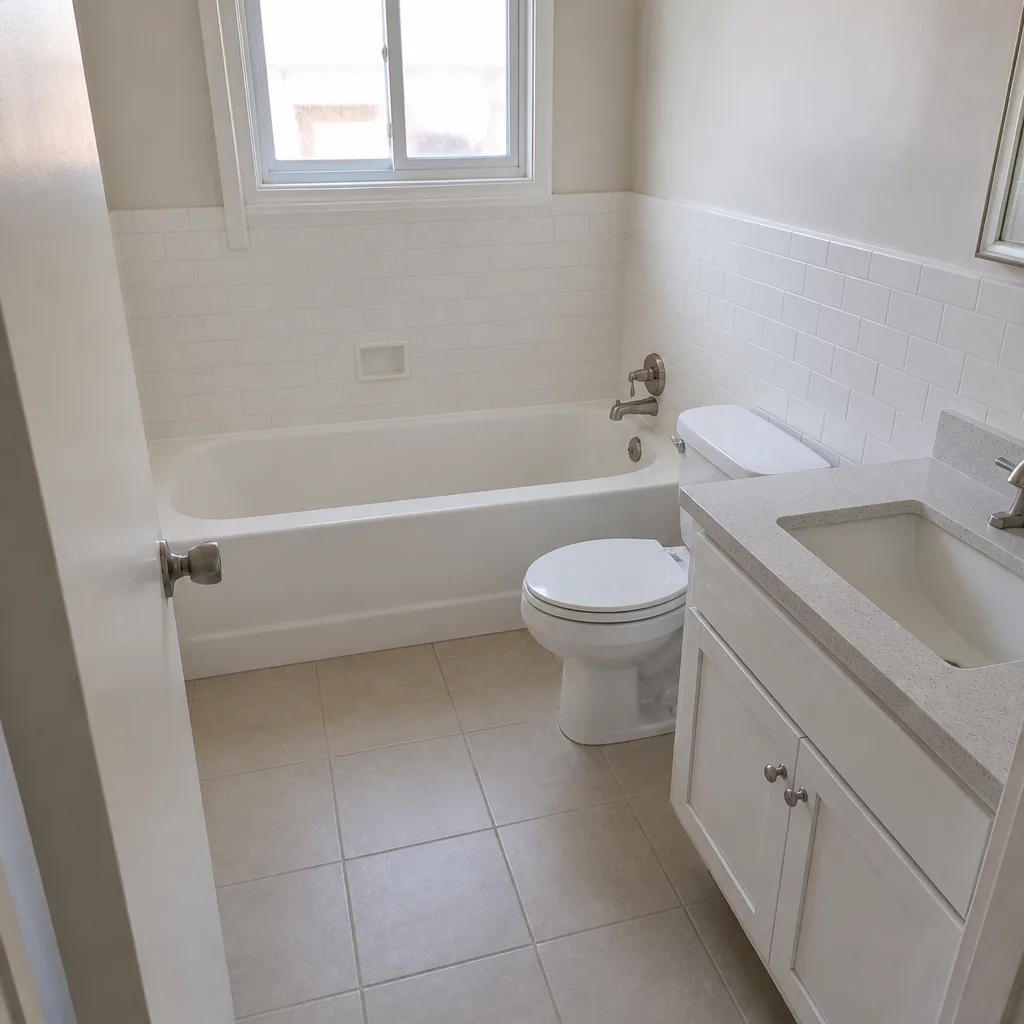 After
When to Call a Professional
Call a professional when the work requires a permit, changes the structure or the roofline, involves electrical, gas, or plumbing relocation, or alters your exterior in a way the HOA will review. Call when the project spans more than one trade and the sequencing matters. Call when the ground is clay and the surface needs a sub-base that will actually hold. And call when the cost of a redo is higher than the cost of the work.
The judgment call is real, and we respect homeowners who want to do what they can. Construction Mission Viejo offers free estimates in Mission Viejo, with written line-item quotes and fixed pricing so you know what the work costs before it starts. We can work with your insurer if a project touches an insurance claim. We answer 24/7. Fast dispatch from 7am to 7pm, Sunday through Friday. Call (833) 620-5454 to schedule your free estimate and talk through what’s worth doing yourself and what isn’t.
Frequently Asked Questions
Often yes, especially if the work changes grading, drainage, or the driveway footprint. Mission Viejo’s building department is the authority on your specific project, so call them before you order materials. A permit means an inspection, and an inspection is your proof the base and drainage meet code. If you’d rather not navigate it yourself, call (833) 620-5454 for a free estimate and we’ll walk you through the permit and HOA process.
It can, even if the city considers the work permit-exempt. Many Mission Viejo HOAs require architectural approval before exterior changes, including paint colors, roof materials, fence height and style, and hardscape appearance. Read your CC&Rs, submit the application, and get written approval before you start. Call (833) 620-5454 if you want help assembling the product specifications the board will want to see.
DIY saves labor when the work is cosmetic and permit-exempt, but the gap narrows fast on projects with permit exposure, HOA submittal, or a high redo probability. Material waste, tool rental, and a second attempt on a failed driveway or leaking window can exceed what professional work costs. The written estimate sets the final price, and estimates are free. Call (833) 620-5454 for an exact quote.
You can handle paint, cabinet hardware, fixture swaps, and demo. You should not handle electrical, gas, plumbing relocation, or shower waterproofing yourself, because those require permits and licensed trade work. Choose your brand tiers and finishes, then leave the rough-in and the install to a professional. Call (833) 620-5454 for a free estimate on the phases you want done right.
Yes, because California sellers must disclose known unpermitted improvements, and buyers treat them as a negotiating problem or a reason to walk. Permitted, code-compliant work carries a paper trail that supports your asking price. If you’re weighing whether a project needs a permit, ask the city, then call (833) 620-5454 for a free estimate on doing it the permitted way.
Demo and haul-away, product selection, prep and masking, and the finish punch list are all reasonable places to contribute labor. Structural, electrical, plumbing, gas, roofing, and envelope work belong to a licensed professional. That’s the hybrid model we use on many Mission Viejo projects, and it puts your effort where it saves money without creating liability. Call (833) 620-5454 to map out the split on yours.
The Bottom Line
The DIY versus professional decision in Mission Viejo comes down to permit exposure, HOA liability, and the failure modes this climate and this clay soil create when work is sequenced wrong. Cosmetic, permit-exempt projects are yours to handle. Anything structural, electrical, plumbing, envelope, or HOA-reviewed belongs to a licensed professional, and that’s the safer money. The hybrid model puts your effort on demo, selection, and finishing while a pro handles the technical core. Our technicians have up to 8 years of experience, and we bring the brand options from a roster of 50+ manufacturers so you make the call on materials. Permitted, code-compliant work, written line-item quotes, and fixed pricing: one contractor from the driveway to the roofline. Whether you’re planning a rework of the Construction Mission Viejo home you live in or deciding how much to take on yourself, the best move is to get a number first. Call (833) 620-5454. We answer 24/7. Fast dispatch from 7am to 7pm, Sunday through Friday. Estimates are free, and the written estimate sets the final price.
Written by the team at Construction Mission Viejo.