Last updated November 18, 2026




Free written scope consultation - allowances, timeline, and change-order rules on paper before a single trade is scheduled
Driveway & Pavers Troubleshooting in Mission Viejo: Common Problems and How to Fix Them
If your pavers are sinking in one spot and sitting fine everywhere else, that’s not a settling problem. It’s almost certainly a drainage problem, and replacing the pavers without fixing it guarantees you’ll be back here again in two years. We see this constantly in Mission Viejo, where hillside lots and slope drainage create pressure patterns that flat-lot troubleshooting guides completely miss. Most homeowners assume the paver failed. It didn’t. The paver is the messenger. This guide walks you through reading your driveway’s failure signals the way a contractor does – what uneven settling, edge rollout, joint widening, and surface pitting each reveal about the specific layer underneath that’s failing – and how to decide whether you’re looking at a targeted fix or a full re-lay.
Quick Answer
Most driveway paver problems in Mission Viejo are not caused by the paver itself but by one of three layers beneath it: the base, the bedding sand, or the joint sand. Uneven settling and edge rollout almost always point to base failure or drainage, while joint sand loss and efflorescence are usually surface-level and fixable with re-sanding. The repair decision comes down to diagnosing which layer is failing before you touch a single paver.
Styles & brands we work with
- Kitchen remodeling
- Bathroom remodeling
- Home additions & ADU
- Roofing
- Windows & doors
- Driveway & pavers
- Fence
Table of Contents
- The Visual Diagnosis Matrix: What Each Failure Signal Tells You
- Why Pavers Sink, Shift, and Roll at the Edges
- Hillside Lots and Slope Drainage in Mission Viejo
- Efflorescence on Concrete Pavers: Cosmetic or Warning Sign?
- Re-Sand or Full Re-Lay: The Decision Thresholds
- Why DIY Paver Relaying Often Makes It Worse
- When to Call a Professional
- Frequently Asked Questions
The Visual Diagnosis Matrix: What Each Failure Signal Tells You
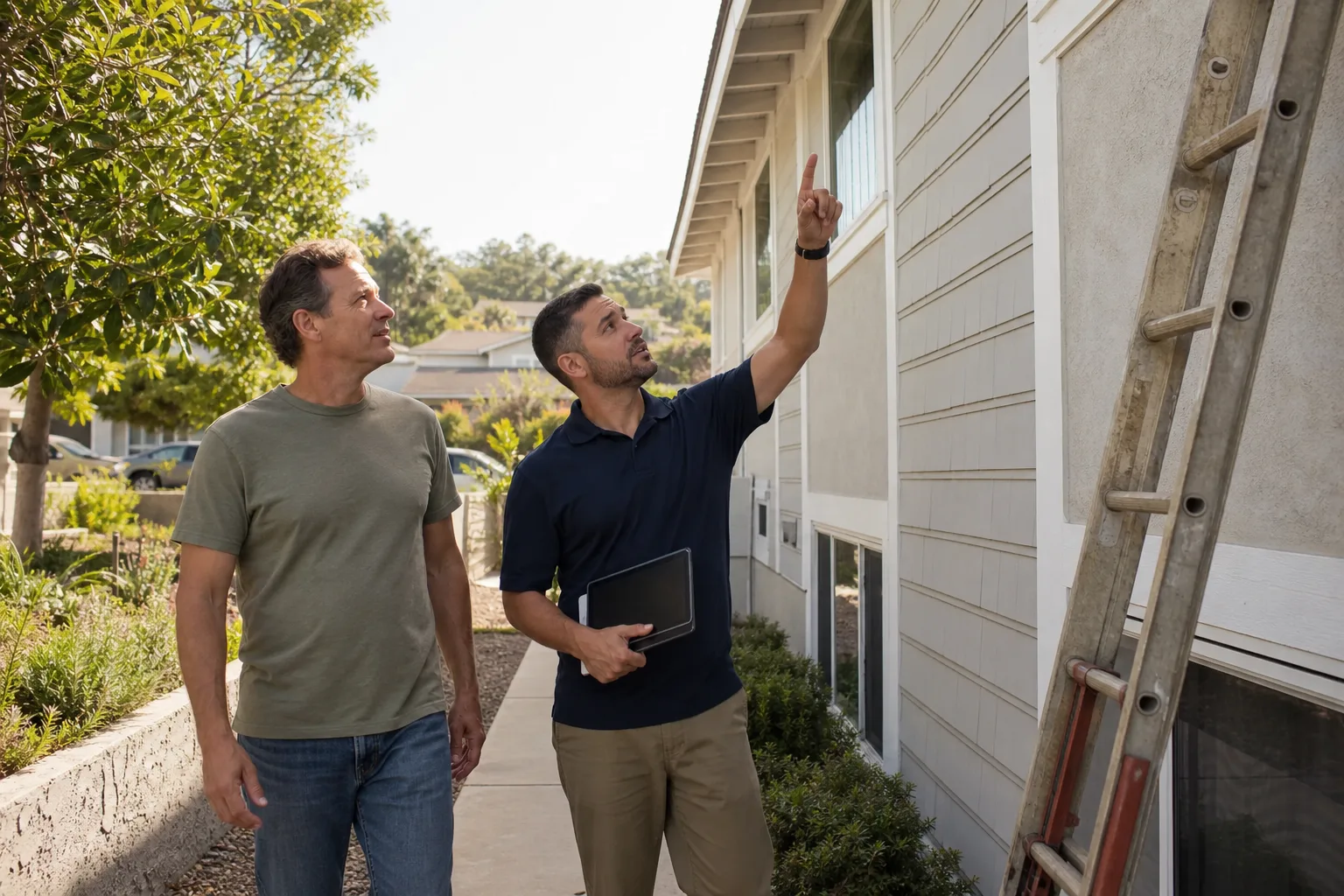
Before you call anyone, walk your driveway slowly and note exactly what you’re seeing. The type of failure tells you which layer has gone bad, and that determines the entire repair approach. This is the first thing we do on a free estimate in Mission Viejo, and it takes about five minutes.
Here’s how to read the four most common signals:
- Uneven settling in isolated spots – usually the base layer. One section compressed, another didn’t. Often the sign of poor compaction at installation or localized water saturation.
- Edge rollout (the pavers at the perimeter tipping or spreading outward) – edge restraint failure. The plastic or concrete edge restraint has loosened, and there’s nothing holding the field in compression.
- Joint widening or sand loss between pavers – joint sand layer. Polymeric sand has washed out, degraded, or was never installed deeply enough. Easy to confuse with base failure, but the pavers themselves stay level.
- Surface pitting or spalling on the paver face – material or moisture. Sometimes freeze damage (rare here), sometimes chronic moisture wicking through from below, sometimes an inferior paver face.
The key insight is that two or three of these signals often appear together, and that’s the real story. Edge rollout plus joint sand loss usually means water is running off the edge restraint and carrying sand with it. Isolated settling plus pitting usually means moisture is pooling in one area and can’t escape. Reading the combination is what tells you whether the problem is surface, bedding, or base.
If you’re not sure what you’re looking at, take photos at ground level and from a few feet back. A contractor can often diagnose from photos alone before scheduling a site visit.
Why Pavers Sink, Shift, and Roll at the Edges
Sinking and shifting in a paver driveway is almost never a paver problem. It’s a compression problem. Pavers are engineered to transfer load across their surface; they’re meant to be held tight against one another with sand in the joints and a rigid edge restraint around the perimeter. When any of those three elements breaks down, the whole assembly starts moving.
Here’s what actually causes each failure:
- Water saturation of the base. When water gets under the pavers and can’t drain away, the compacted base loses its structural integrity. Once the base softens, the pavers above it sink. This is the single most common cause of isolated settling, and it’s a drainage diagnosis, not a paver diagnosis.
- Inadequate compaction during installation. The base needs to be compacted in lifts – usually 2 to 3 inches at a time – with a plate compactor. If the installer rushed this and dumped 6 inches of base at once, the lower portion never reached density and slowly compresses under load over the first few years.
- Edge restraint failure. The perimeter restraint – the plastic, aluminum, or concrete edge holding the pavers from spreading – is the most stressed part of the driveway. It takes the load of every vehicle turn and every water runoff event. When it loosens, the edge pavers roll outward and the entire field loses compression. On a Mission Viejo hillside lot, this is compounded because the driveway edges often sit against a slope, and any water from uphill adds pressure to those edges.
- Poor joint sand maintenance. Polymeric sand in the joints is what holds the pavers in compression. When joints lose sand, pavers start to move slightly, and once they move, water gets in and the base starts to fail. Joint sand isn’t cosmetic maintenance; it’s structural.
What’s important here: you can’t diagnose sinking without identifying which of these is happening. Replacing paver units without fixing the cause is exactly how homeowners end up doing the same repair twice. Brands like Belgard, Unilock, and Techo-Bloc make excellent pavers, but even the best paver will fail on a bad base.
Hillside Lots and Slope Drainage in Mission Viejo
Mission Viejo is a hillside city, and that changes everything about driveway troubleshooting. Most online guidance is written for flat-lot driveways where the base drains evenly. On a sloped or hillside driveway, water follows a completely different pressure pattern, and that pattern drives failure faster and in specific locations.
Here’s what we mean. On a flat lot, water mostly drains downward through the base and percolates away. On a hillside lot, water enters the top of the slope, saturates the base, and then moves horizontally inside the pavement structure – mostly along the edge of the driveway or where the slope meets a flat section. That means water is loading up the base against the edges, not evenly across the field.
Practical implications:
- Uphill edges fail first. The pavers closest to the top of the slope are usually the first to show settling or rolling. That’s because water arrives there first and loads the base against the restraint.
- Driveways draining toward the house are the worst case. If your driveway slopes toward the garage, water can pool against the garage door and eventually under the paver base near the door. That’s not just a paver problem; that’s a moisture intrusion risk into the garage slab and framing.
- The transition from slope to flat is a pressure point. Where a sloped driveway levels out (often near the garage apron or a courtyard entry), water deposits and pressure concentrates. That transition zone is where settling and joint widening usually start.
- Drainage design matters more than paver choice. On a Mission Viejo hillside lot, proper drainage – which might include channel drains, a channel drain along the uphill edge, or a regraded base that sheds water toward a drain rather than against a wall – is a larger part of the job than on a flat lot.
Before any repair, make sure the drainage is addressing where water actually goes. If water is entering a base from an uphill source and running under the pavers, no amount of re-sanding or relaying will solve it. A permit is often not required for a paver repair, but if drainage or grade is being altered, check with Mission Viejo’s building department about what triggers a permit.
Efflorescence on Concrete Pavers: Cosmetic or Warning Sign?
Efflorescence – the white, powdery bloom that appears on concrete pavers – is a source of constant confusion. Here’s the straight answer: sometimes it’s cosmetic and no big deal, and sometimes it’s a warning sign of a moisture problem underneath that will eventually cause structural failure.
Efflorescence is salt that has migrated to the paver surface as water evaporates. The paver itself doesn’t create the salt; the salt comes from the cement in the paver, from the bedding sand, or from the base material. The very presence of efflorescence tells you that water has been moving through the paver and evaporating from its surface. The question is where else that water is going.
Cosmetic efflorescence:
- Appears in patches and fades after rain or moisture exposure.
- Comes back occasionally but stays surface-level and powdery, not crusty.
- No visible settling, joint loss, or shifting in the affected area.
- Usually a sign that the paver was wet during installation, or that the surface is simply wicking normal ambient moisture.
Efflorescence that signals a real problem:
- Appears consistently in one area, usually near a driveway edge, a low spot, or a spot where settling is also visible.
- Comes back faster each time you clean it off, and gets thicker or crustier.
- Is accompanied by joint sand loss, settling, or edge rollout in the same area.
- Is concentrated where water pools or where water is running onto the driveway from an uphill source or downspout.
That second list is where the real diagnosis matters. When we see persistent, crusty efflorescence accompanied by settling, we know the base is being consistently saturated and the water has nowhere to drain. In that case, treating the efflorescence (with an efflorescence cleaner or a specialty sealer) is treating a symptom. The underlying drainage failure will eventually take out the base and pavers if it isn’t corrected.
On a hill or sloped driveway in Mission Viejo, efflorescence near the uphill edge or where the slope meets a flat area is a strong signal to investigate the drainage system before it becomes structural.
Re-Sand or Full Re-Lay: The Decision Thresholds
This is the decision that matters most financially. Re-sanding the joints with polymeric sand is a fraction of the cost of a full re-lay. But re-sanding doesn’t fix a bad base, and trying to save money with a quick re-sand on a base that’s failing guarantees you’ll be doing the full job soon anyway. Here are the thresholds we use.
Re-sanding is the right approach when:
- The pavers themselves are level and stable – you can walk the surface and don’t feel any rocking or wobble.
- The joints have lost sand (you can see daylight between pavers, or the joint depth exceeds a quarter inch), but the pavers haven’t moved.
- The base is dry and well-drained underneath – no soft spots, no standing water, no efflorescence in the same area.
- The edge restraint is intact and tight – pavers in compression, no rollout.
Full re-lay (or targeted section re-lay) is the right approach when:
- Pavers are rocking or shifting when walked on.
- There’s visible edge rollout, or the pavers at the perimeter are spreading or tipping.
- Isolated settling is present and getting worse over time.
- Efflorescence is persistent and accompanied by soft spots or visible moisture under pavers.
- Water pools on the paver surface (rather than draining) after rain.
- The base is soft or has visibly failed when inspected.
Once you get to full re-lay, there’s a second decision: full driveway or targeted sections? Often, the whole driveway doesn’t need to come up. A good contractor can pull a section, re-establish base and compaction, restore the edge restraint, and re-set the same pavers – then re-sand the whole driveway for uniformity. That’s sometimes a third of the cost of a full re-lay, and it works if the failure is localized.
What makes full re-lay occasionally necessary is when the base failure extends across the whole driveway, or when the original base was never properly compacted. In that case, pulling only the visibly failed section just moves the problem to the next weak spot. On a Mission Viejo hillside lot, we also consider whether the drainage needs a broader correction before any paver work – if water is arriving from uphill and pooling against the driveway, correcting the drainage is the first step, not the last.
Why DIY Paver Relaying Often Makes It Worse
It’s tempting to pull the failed pavers, re-level the sand underneath, and lay them back down. That approach sometimes works short-term on a joint-sand problem. But on a base or drainage problem, DIY relaying usually makes it worse for one reason: you can’t restore compaction without the right equipment.
Here’s what happens. When you pull pavers and re-set them, you’re disturbing the bedding sand and, if you dig deeper, the base material. The base was likely compacted originally with a plate compactor or a vibratory roller. Without that equipment, you can hand-tamp all you want and still not achieve the density the base was designed for. Once that base is disturbed, the pavers will settle unevenly again – and often faster than before, because the base is now looser than it started.
The other issue is water. If you pull pavers without addressing the water source first, you’re exposing the base to even more moisture. On a Mission Viejo hillside lot, exposing the base in a low spot during a wet season can accelerate base failure significantly.
And then there’s the edge restraint. If edge rollout was the original problem, and you re-set the pavers without rebuilding the restraint properly (which requires setting it in concrete against the base and re-tensioning the field), the edge will roll again as soon as you drive on it.
There’s a legitimate DIY scope: re-sanding joints, cleaning efflorescence, small spot re-sets on a joint-sand-only problem. Beyond that – anything involving base failure, drainage, or edge restraint – the equipment and compaction work matters more than the paver-laying itself.
See the difference
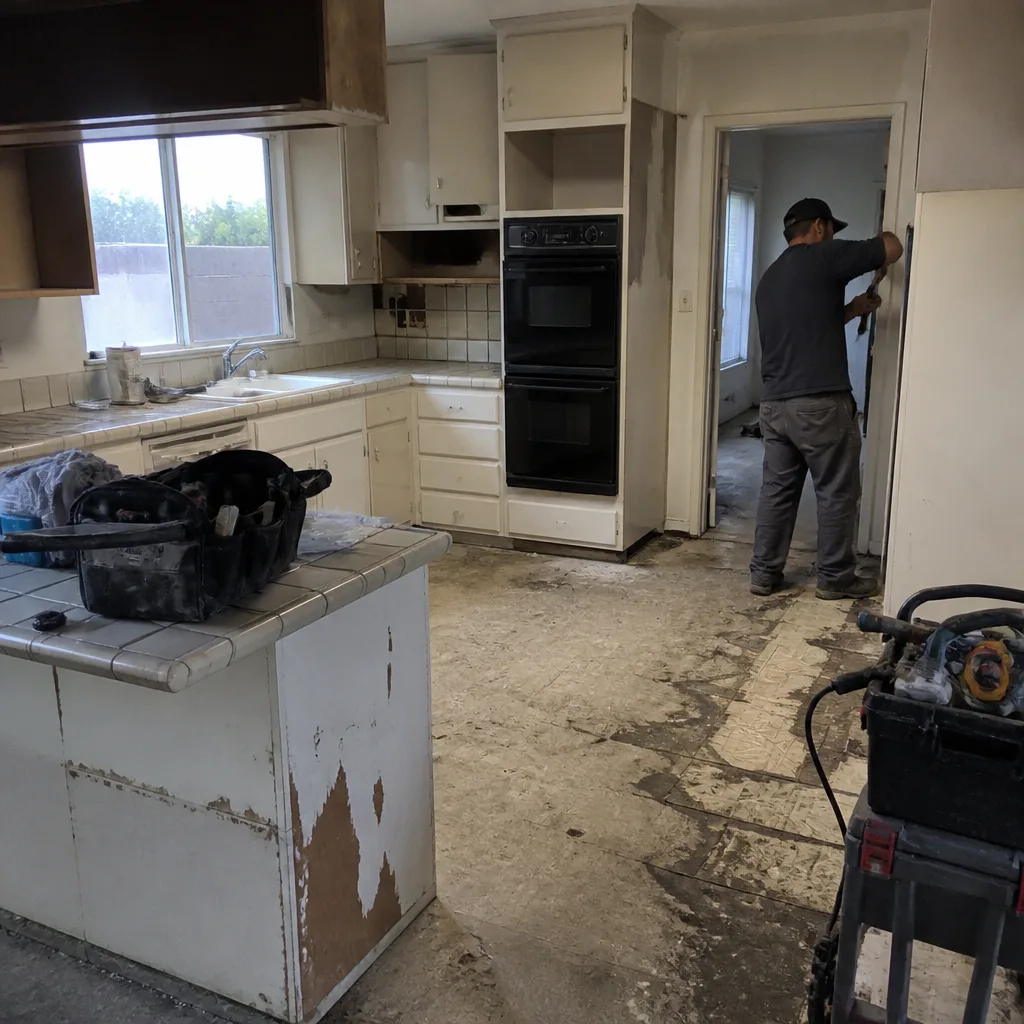 Before
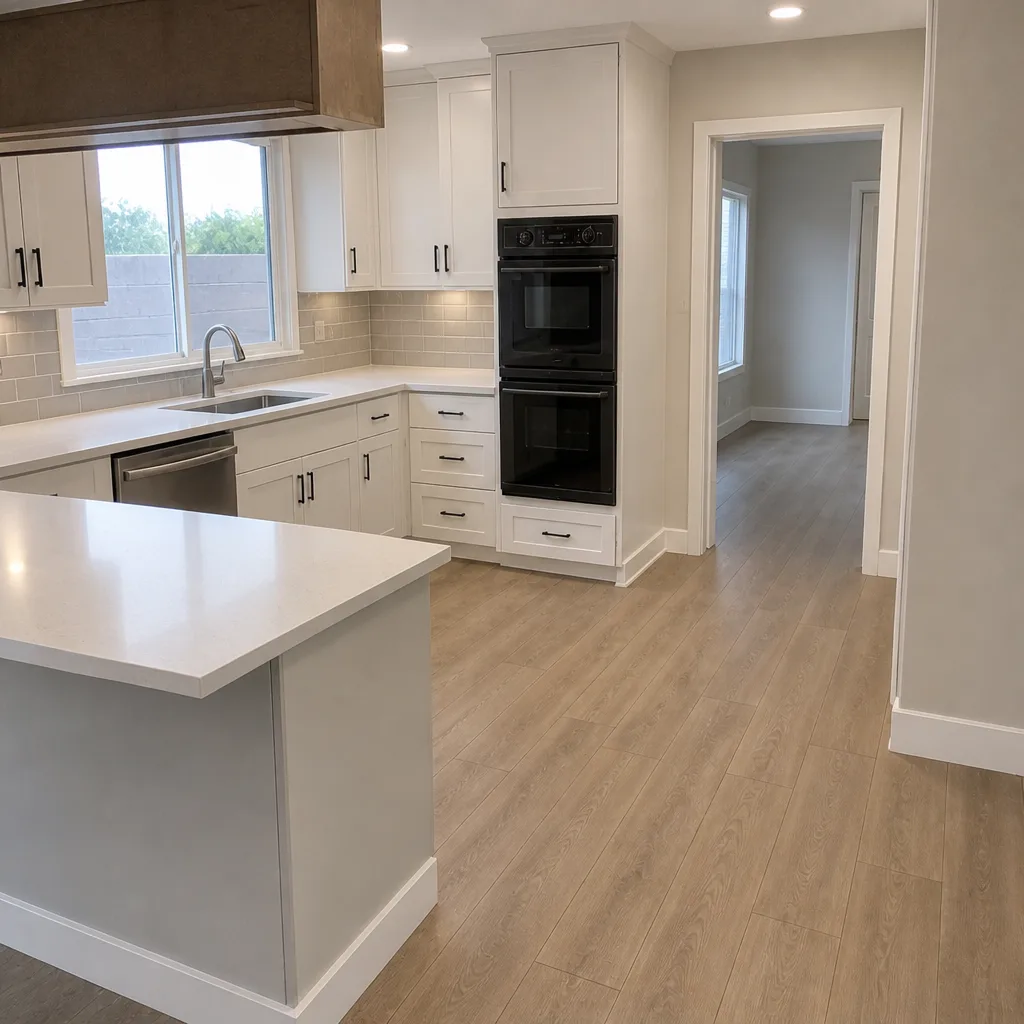 After
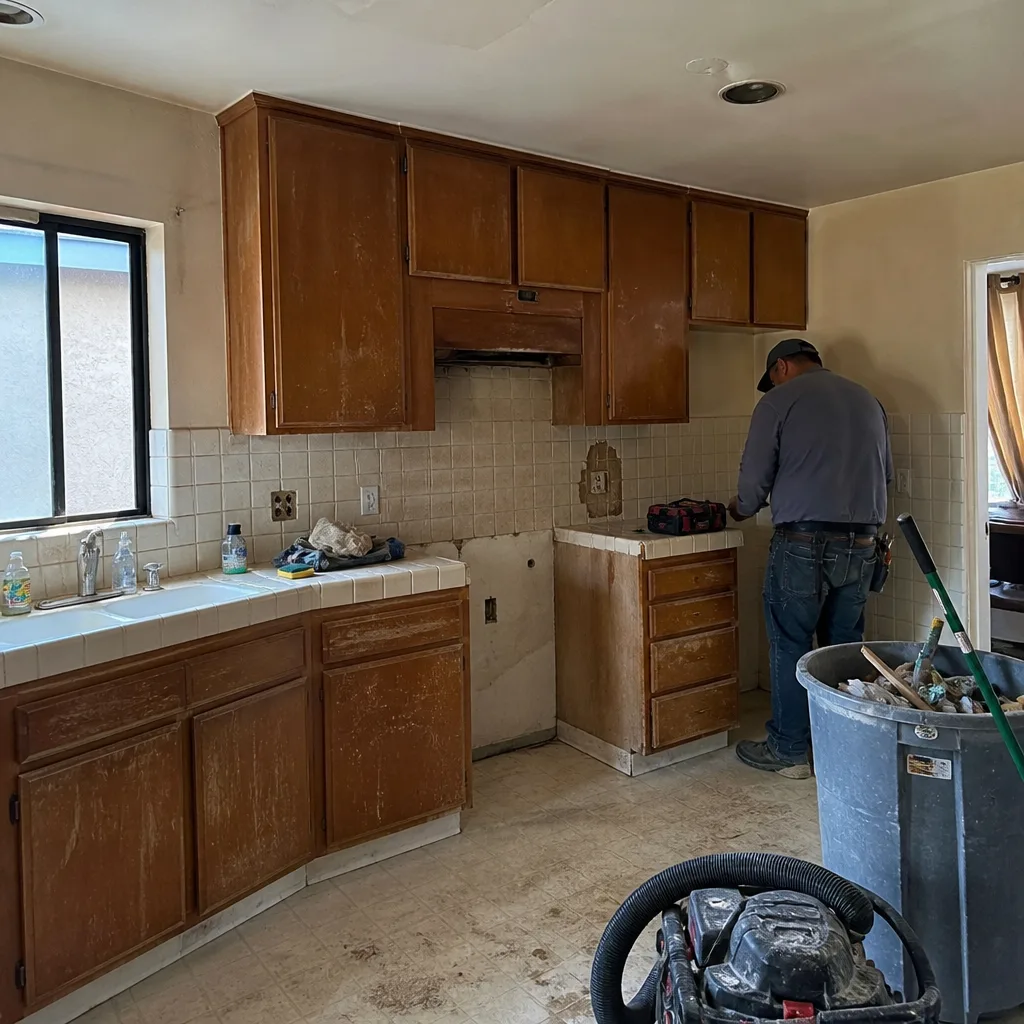 Before
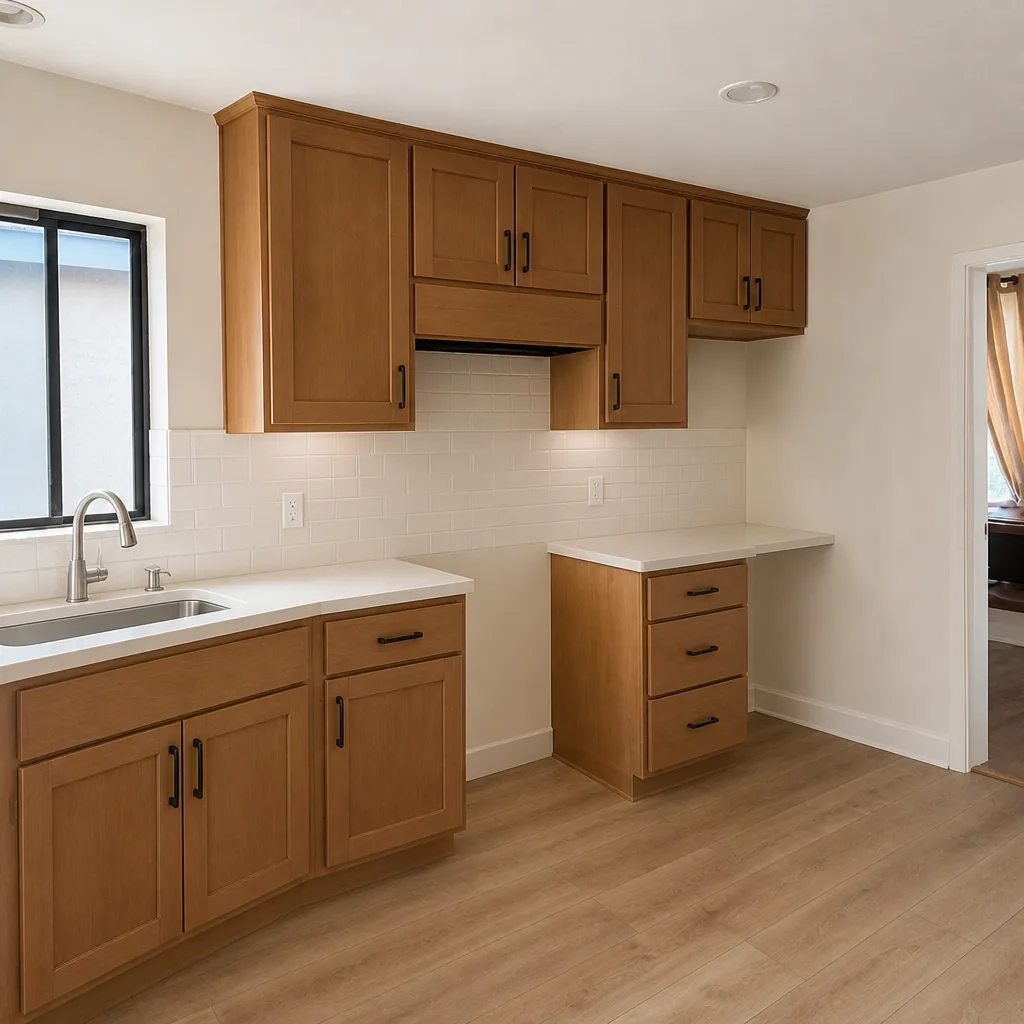 After
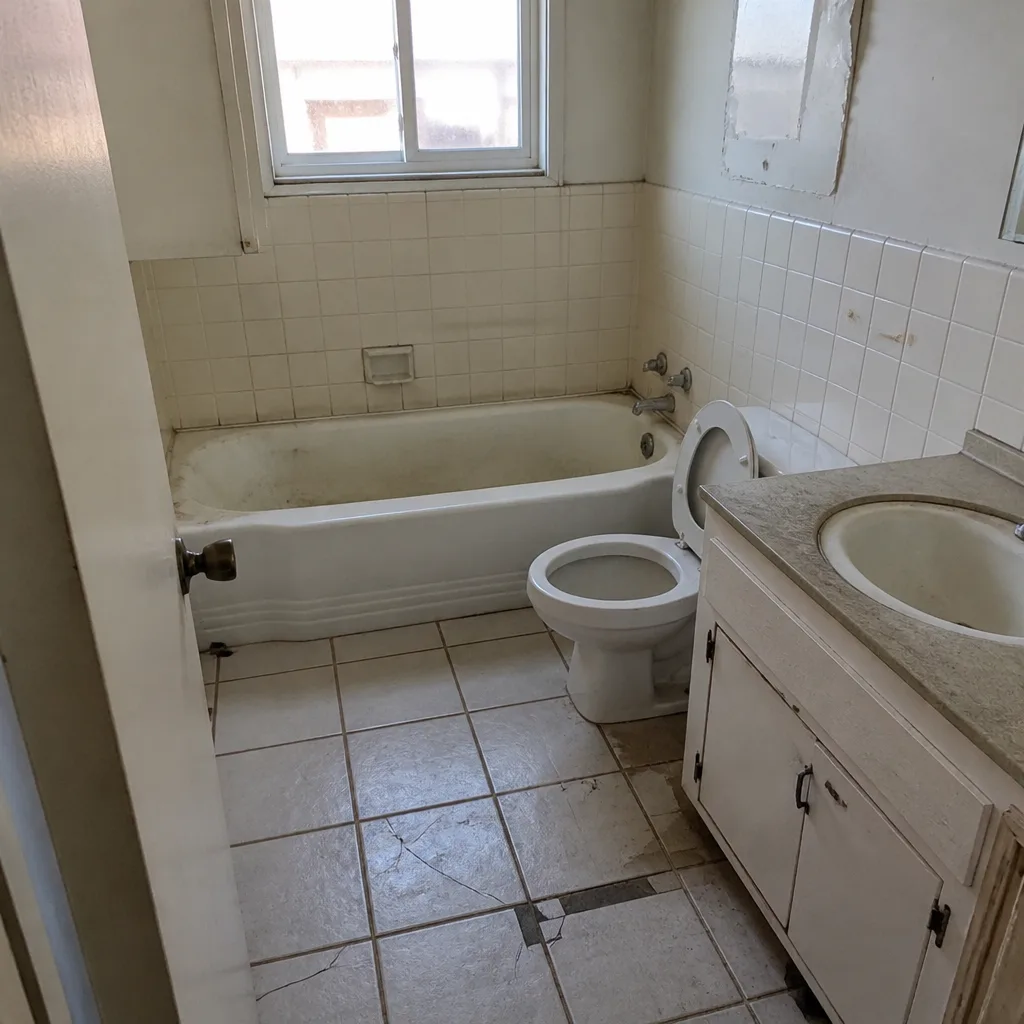 Before
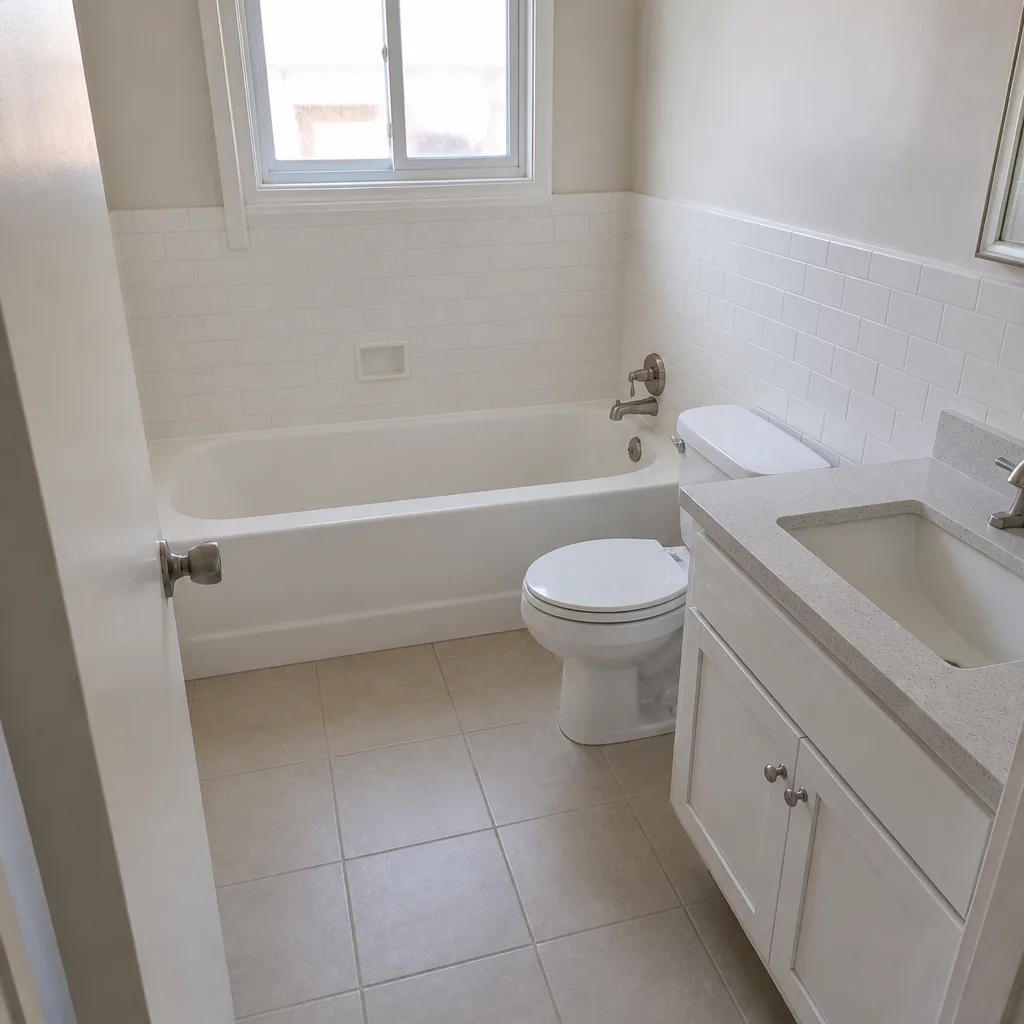 After
Common Mistakes to Avoid
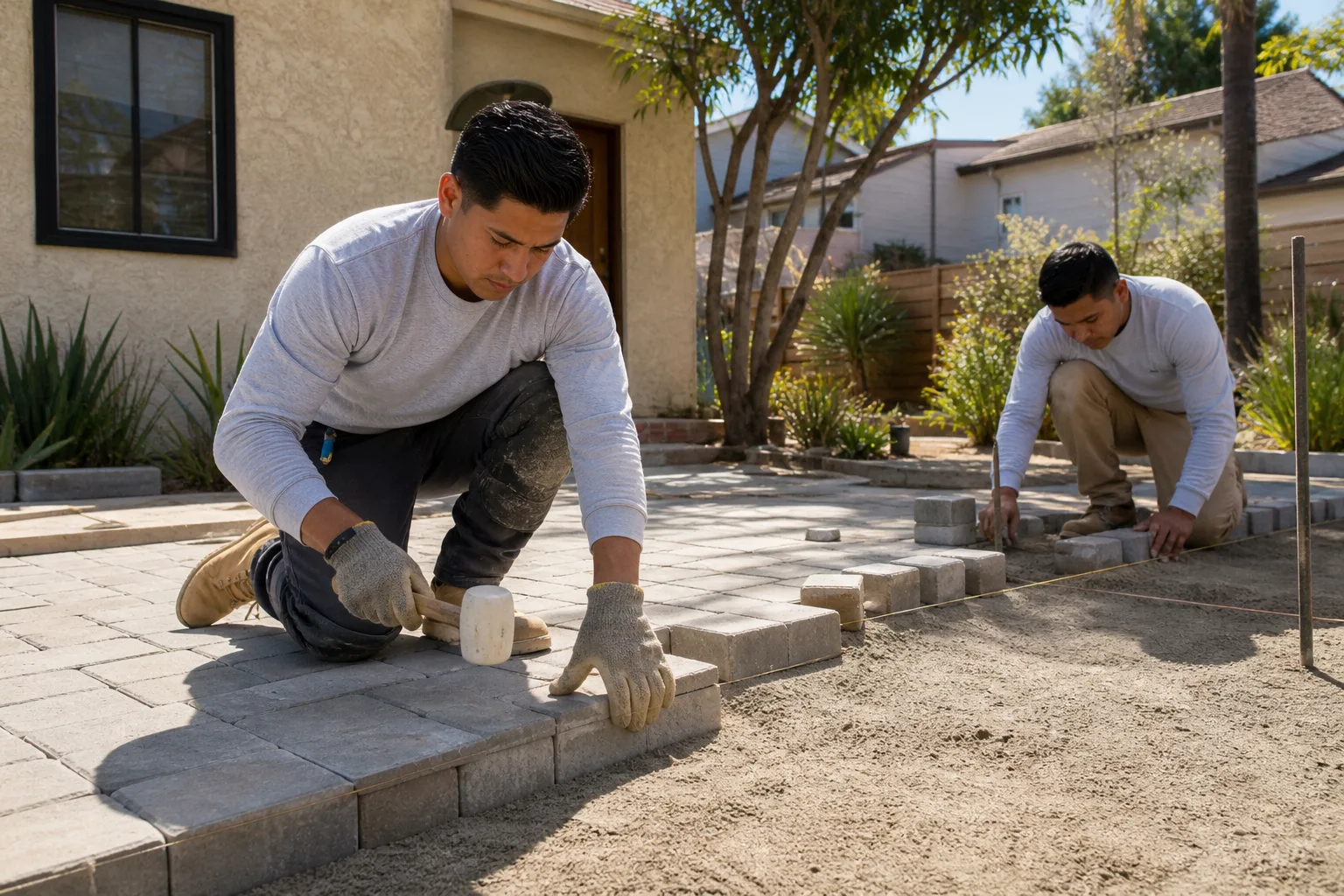
- Re-sanding without fixing the base. If the pavers are settling, re-sanding hides the symptom for a season and then the settling comes back worse. Diagnose the layer failure first.
- Pulling pavers without addressing the water source. On a hillside driveway, this is the most common mistake we see. Water loads up the base faster than the repair can fix it.
- Rebuilding the edge restraint as an afterthought. Edge restraint takes the load and the water. If it’s not set in concrete and properly tensioned, the whole driveway loses compression.
- Assuming efflorescence means the paver is bad. It almost never is. Efflorescence is a moisture indicator, and chasing it with a sealer without fixing drainage is wasted effort.
- Comparing paver brands before diagnosing the actual failure. A Belgard or Techo-Bloc paver installs exactly the same way as any other paver. The difference is the base and drainage, not the brand name.
- Skipping the slope drainage question on a Mission Viejo hillside lot. Flat-lot troubleshooting skips this step and misses the actual cause of the failure.
- Saving money on re-sand when the base needs re-lay. A re-sand is fast and cheap, but if the base is failing, it’s money spent on a symptom.
When to Call a Professional
If your driveway has any of the following, it’s time to get a professional diagnosis:
- Pavers that rock when walked on, or that visibly shift when you drive over them.
- Edge rollout – pavers spreading or tipping at the perimeter.
- Isolated settling that has gotten worse over the past year.
- Persistent efflorescence accompanied by soft spots or joint sand loss in the same area.
- Standing water on the driveway surface after rain, or visible moisture under pavers.
- Any drainage problem where water is running onto the driveway from uphill.
Construction Mission Viejo offers free estimates in Mission Viejo – call (833) 620-5454 to schedule a diagnostic visit. We’ll walk the driveway with you, diagnose which layer is failing, and give you a written line-item quote that shows exactly what needs fixing and why. If a re-sand is sufficient, we’ll tell you. If the base needs to come up, or if drainage needs to be corrected first, we’ll show you how that changes the sequence.
For a full scope of what our driveway & pavers work covers, that’s the place to start. And because our team handles the full exterior of your home, paver repairs often coordinate with fences and gate work – see our fence installation pages if you’re also dealing with perimeter issues like Barrette or Master Halco gate hardware that’s failing alongside your driveway edges.
Frequently Asked Questions
Almost always a base or drainage problem, not a paver problem. If one small section of the driveway is sinking and the rest is fine, water is likely pooling in that spot, or the base under that area was never properly compacted. The fix isn’t to replace those pavers – it’s to diagnose why water is reaching that area and whether the base needs to be re-established. On Mission Viejo hillside lots, the sinking area is very often where water arrives first from a slope above. Call (833) 620-5454 for a free diagnostic visit – we’ll inspect the base and drainage and tell you what’s actually happening.
Sometimes. Cosmetic efflorescence appears as a powdery bloom that fades after rain and doesn’t return consistently. Serious efflorescence is crusty, comes back faster each time, and sits in the same area where there’s also settling, joint sand loss, or edge rollout – that’s a sign that water is trapped under the pavers and the base is saturating. Treating it with a sealer without fixing the underlying drainage is a temporary fix at best. If you’re seeing persistent efflorescence in one spot, call us for a free estimate and we’ll tell you which you’re dealing with.
If the pavers themselves are level and stable (no rocking when walked on), and the only visible problem is missing joint sand, re-sanding with polymeric sand is usually sufficient. If any paver is rocking, if the edge restraint is spreading, or if there’s visible settling, the base has likely failed and re-sanding won’t solve it. The other signal: if efflorescence accompanies joint loss, that also points to base saturation. Call (833) 620-5454 – a free estimate will confirm which repair you need.
Water moves very differently on a slope. On a flat lot, water drains evenly down through the base. On a hillside lot, water enters from above, saturates the base, and moves along the edge of the pavement structure – so the uphill edge and the slope-to-flat transition fail first and worst. Most online troubleshooting guides are written for flat lots and miss this entirely. If your driveway is on a slope, drainage has to be diagnosed before the base is repaired. Call (833) 620-5454 for a free estimate.
For joint sand re-application and small spot re-sets, sometimes yes. For anything involving base failure, edge rollout, or drainage problems, DIY relaying usually makes the problem worse because you can’t restore base compaction without a plate compactor, and you’re exposing the base to more water in the process. Disturbed base material that’s been hand-tamped will settle again – and often faster than the original failure. If your pavers are rocking or rolling, call for a free estimate: (833) 620-5454.
Usually not for a direct paver repair or re-sand. A permit is more likely if drainage or grade is being altered, or if the repair touches a structure like the garage slab or an adjoining wall. The best rule is to check with the City of Mission Viejo building department for anything beyond a direct like-for-like repair. When we quote a paver repair, we’ll tell you whether we expect a permit to be required and why.
The Bottom Line

Every paver problem has a root cause in one of three layers: the base, the bedding sand, or the joint sand. Reading your driveway’s failure signals correctly – isolating settling, edge rollout, joint widening, pitting, and efflorescence as part of the whole picture – is the difference between a targeted $400 fix and a full re-lay. Hillside lots in Mission Viejo fail differently than flat-lot driveways and require drainage diagnosis before the base is touched. Re-sanding is the right move when the pavers are stable and the joint sand is the only issue. Full re-lay or targeted re-lay is the right move when the base is failing, when edge restraint is failing, or when persistent efflorescence is accompanied by settling. If you’re past the point of a simple re-sand, get a professional diagnosis before spending more on a repair that won’t hold.
Between the driveway and the roofline, we handle the full envelope of the home. Our team works with pavers from Belgard, Unilock, and Techo-Bloc, and windows and doors from Therma-Tru and ViewLux when the driveway repair is part of a larger exterior upgrade. If you’re adding a garage bay, structured paving, or an ADU with its own driveway approach, that falls under our permitted, code-compliant work as well – see our home additions & ADU pages for the scope of structural work we handle. The goal here is one point of accountability from the street in. One contractor from the driveway to the roofline means no handoff between trades and no finger-pointing if something goes wrong. Contact us to schedule your free estimate: call (833) 620-5454. We answer 24/7. Fast dispatch from 7am to 7pm, Sunday through Friday.
For more on our Construction Mission Viejo work, or if you want to see the full range of projects we take on, contact us directly to talk through your paver repair or driveway project.
Written by the team at Construction Mission Viejo.