Last updated November 18, 2026








Free written scope consultation - allowances, timeline, and change-order rules on paper before a single trade is scheduled
Construction Permits, Codes & Inspections in Mission Viejo, CA: What You Need to Know
The most common surprise we run into on a Mission Viejo property isn’t a failed inspection. It’s the discovery, usually during a buyer’s inspection report, that a previous owner’s “finished” bonus room, re-roofed garage, or converted patio was never permitted at all. No paperwork, no record at City Hall, no way to prove the work was done to code. Deals have a way of grinding to a halt over that kind of finding, and the fix is almost always slower and more expensive than pulling the permit in the first place. This guide walks through exactly what triggers a City of Mission Viejo permit, how California’s Title 24 energy rules shape roofing and window jobs, what the inspection sequence actually looks like, and why your HOA and the city are two separate approval tracks you should run side by side.
Quick Answer
In Mission Viejo, most structural, electrical, plumbing, mechanical, and exterior alteration work requires a city building permit before it starts, and California’s Title 24 energy code applies to the same projects even when the city’s own paperwork looks simple. Roofing, window replacement, kitchen and bathroom remodels, home additions and ADUs, fences, and hardscape changes all involve some combination of permit and HOA approval. An unpermitted project can be retroactively permitted, but it costs more, takes longer, and can require opening walls or tearing out finishes to prove the work was done correctly.
Styles & brands we work with
- Kitchen remodeling
- Bathroom remodeling
- Home additions & ADU
- Roofing
- Windows & doors
- Driveway & pavers
- Fence
Table of Contents
- What Work Needs a Permit in Mission Viejo?
- How California Title 24 Affects Your Project
- The Mission Viejo Inspection Sequence
- HOA Approval vs. City Permit: Two Tracks, One Project
- Retroactive Permitting: What It Actually Costs
- ADUs and Additions: The Permit-Heavy End of the Spectrum
- What to Ask a Contractor About Permits
- Common Mistakes to Avoid
What Work Needs a Permit in Mission Viejo?
Most exterior and structural work on a Mission Viejo home requires a city permit, while routine cosmetic refresh work usually does not. The line falls roughly where structural framing, the building envelope, or any utility system is involved. That means new framing for an addition, a full re-roof, a window replacement that changes the opening size, and any added electrical circuit all fall on the permit side. Repainting, refacing cabinets without moving plumbing, or swapping a light fixture for a same-wattage replacement typically do not.
Square footage and valuation matter. A structural change that adds conditioned square footage (an addition, an enclosed patio, a new ADU) is always permit territory, and so is any project with a construction valuation high enough that the city wants plans reviewed. Mission Viejo, like most California cities, ties permit requirement to scope and valuation rather than to a single dollar cutoff, so a small structural change with a modest valuation still needs a permit while a cosmetic job with a surprisingly high valuation might not. The safest rule of thumb: if the work touches framing, the roof structure, a load-bearing wall, a utility line, or the exterior envelope, treat it as permit work until the city’s building department tells you otherwise.
What homeowners often miss: a “like-for-like” replacement still can require a permit. A re-roof is a permit project in Mission Viejo because the city wants to verify the underlayment, flashing, and code-required nailing pattern. A window swap that changes the rough opening is permit work, while a same-size replacement in the same opening sometimes is not. Because the boundary is scope-dependent, the answer that always holds is this: ask the building department directly, in writing, before work begins. A five-minute call saves a lot of resale trouble.
- Almost always permitted: home additions, ADUs, structural wall removal, re-roofing, new electrical circuits or panel changes, new plumbing runs, gas line work, window replacements that change the opening, new fencing above the city’s height allowance.
- Sometimes permitted: same-size window replacement, bathroom remodels that move fixtures, paver or driveway work that changes drainage or grading.
- Usually not permitted: paint, interior finish, cabinet refacing without plumbing or electrical changes, replacing a fixture with an identical one.
How California Title 24 Affects Your Project
Title 24 is the state’s energy code, and it’s the piece most homeowners never hear about until they’re already mid-project. Every re-roof, window replacement, and HVAC changeout in Mission Viejo has to meet Title 24, and it applies on top of whatever the city requires, not instead of it. That means your roofing contractor can’t just tear off the old shingles and install new ones on the same deck without checking whether the assembly needs a radiant barrier, a cool-roof rated product, or updated insulation at the same time. Skip that step and the city can flag the job at final inspection, forcing rework on a roof that’s already installed.
Windows are the other place Title 24 bites. Replacing a whole house’s worth of windows means the new units have to meet the energy performance requirements for that climate zone, which is why a like-for-like window swap isn’t always as simple as it looks. A single window replacement often does, but a full-house window job almost always needs the energy compliance documentation. In our experience, homeowners who plan for this from day one save real money compared to finding out at final inspection that the units don’t qualify. If you’re replacing windows as part of a larger exterior project, plan the compliance docs alongside the Construction Mission Viejo scope so nothing gets installed twice.
Title 24 also reaches into kitchen and bath remodels when lighting and ventilation changes are involved. Swapping every can light for a recessed LED, adding a vent fan, or changing the exhaust in a bathroom are all small changes with an energy code question attached. The good news: none of this is a reason to avoid the work. It’s a reason to have a contractor on your side who reads the compliance documents before they promise you a finished date. That’s the difference between a project that sails through inspection and one that stalls at the finish line.
- Re-roof: Title 24 likely requires a radiant barrier or cool-roof rated product, plus verified flashing and nailing.
- Full window replacement: Title 24 energy performance applies to the whole job; single-window replacement often doesn’t trigger it.
- HVAC changeout: New equipment must meet current efficiency standards, and ductwork is part of the scope.
- Kitchen and bath lighting: LED replacement and venting are reviewed against the code during the permit process.
The Mission Viejo Inspection Sequence
The typical Mission Viejo project runs through a predictable sequence of inspections, and knowing the order is the difference between a job that finishes on time and one that sits for weeks waiting on a re-inspection. For most projects the order is: demo inspection (if the scope involves removing walls or finishes), framing inspection, rough-in inspections for electrical, plumbing, and mechanical, insulation inspection, and a final inspection. Roofing has its own shorter sequence: dry-in or mid-roof inspection if required, then final. Window replacement usually needs only a final inspection unless the rough opening changes.
- Permit issuance. Plans are reviewed, comments are resolved, and the permit is issued. This is the longest single step in the process for structural jobs because the city’s plan review queue is a fixed timeline.
- Demolition inspection. The city confirms the demolition matches the approved scope before any new work starts. Skip this and the framing inspection can be rejected.
- Framing inspection. Structural framing is checked against the approved plans and the building code before the work is closed up with drywall or sheathing.
- Rough-in inspections. Electrical, plumbing, and mechanical work behind the walls is inspected before insulation goes in.
- Insulation and Title 24 compliance. The energy compliance items are verified here, along with any radiant barrier or cool-roof requirement.
- Final inspection. The finished project is compared to the approved plans, and the permit is closed out.
For roofing specifically, the dry-in inspection comes after the underlayment is installed and before the final roofing material goes on, because the city wants to see the flashing and nailing before it’s buried. Window replacement that changes the rough opening often requires a rough-in inspection, while a same-size replacement sometimes only needs the final. When you’re dealing with driveway & pavers, the city’s interest is drainage and grading, not the pavers themselves.
HOA Approval vs. City Permit: Two Tracks, One Project
Almost every Mission Viejo neighborhood sits inside an HOA, and that means most exterior projects need two separate approvals, not one. The city permit is a legal requirement; the HOA approval is a private contractual one. They’re reviewed by different people, they operate on different timelines, and finishing one doesn’t finish the other. A re-roof, a fence, a new paver driveway, or a window replacement all typically need both. The worst outcome is a project that gets the city permit and then stalls because the HOA wants a different product color or a different fence height.
The fix is to run both tracks in parallel, and specifically to gather HOA approval before demolition or material order. In our experience, HOA approval is often the slower of the two for exterior color and material changes, so starting it first gives the city plan review a head start instead of waiting on the HOA to sign off. For fences, the HOA usually cares most about height and material, while the city cares about height relative to grade and lot-line placement. For fence installation, that means the submittal to both should be the same drawing, with the same dimensions, so nothing gets approved on one track and rejected on the other.
- Order of operations: HOA application first, city permit application second, material order only after HOA approval.
- What the HOA reviews: product color, material, fence height, driveway material, window style, and sometimes view impact.
- What the city reviews: structural safety, code compliance, Title 24, drainage, and setback from the lot line.
- The overlap trap: an HOA-approved material that the city then rejects on code grounds, or vice versa. Confirm both before you buy.
Retroactive Permitting: What It Actually Costs
Retroactive permitting is when you discover unpermitted work on your property, either through a buyer’s inspection or the city, and file for a permit after the fact. It’s not a loophole. It’s a slower, more expensive version of the original process, and the scope almost always grows once an inspector sees what’s there. The costs break into three buckets: extra city fees for the after-the-fact permit and any penalty fees, the cost of opening walls, floors, or finishes so the inspector can verify what’s behind them, and the cost of correcting anything that doesn’t meet current code. A project that was done to a previous code cycle may need to be brought up to today’s standards, which is where the budget can really move.
The time cost is just as real. A normal re-roof permit moves through plan review on the city’s schedule. A retroactive permit is often handled as a specialty review, and if the structure needs to be opened up to inspect framing you’re now paying for demolition and reconstruction along with the permit fees. That’s before any Title 24 issues are sorted out. If the unpermitted work was a window replacement, the question becomes whether the units meet current energy performance, which can mean replacing them entirely. If it was a patio enclosure or bonus room, the question becomes whether it counts as conditioned square footage for Title 24 and for permit purposes.
The reason this matters in Mission Viejo specifically is resale. A buyer’s inspection report will flag permit history, and escrow timelines are short. A retroactive permit that takes longer than the escrow window can mean the deal falls apart or the seller absorbs a price reduction. Doing the work correctly on the front end costs real money too, but it’s a predictable, one-time cost with a documented paper trail. That’s the trade.
ADUs and Additions: The Permit-Heavy End of the Spectrum
Home additions and ADUs are the most permit-intensive projects a Mission Viejo homeowner can take on, and that’s a feature, not a bug. A permitted ADU involves structural engineering, Title 24 compliance, fire separation, utility capacity review, and a full inspection sequence. The payoff is a legal, insurable, resale-ready unit. The alternative, an unpermitted conversion, is the fastest way to a retroactive permitting nightmare at sale. This is the category where working with a general contractor who understands California’s ADU rules and the city’s plan review process saves the most time and money.
For homeowners weighing a prefab or modular route, the path can be simpler on the construction side but not on the permit side. Prefab and modular ADU partners like Mighty Buildings, Boxabl, and Plant Prefab still need city plan review, Title 24 documentation, site utility connections, and the same inspection sequence. The factory-built shell doesn’t exempt the project from any of it. What it can do is shorten the on-site construction window, which is a real benefit when the city’s inspection queue is long. The key is to have the permit path mapped before the unit is ordered, not after.
Home additions follow a very similar path to a detached ADU, minus the separate utilities. Framing, rough-in, insulation, and final inspections run in the same order. The main difference is that additions often involve blending new construction with existing structure, which adds a structural review step and sometimes a Title 24 trade-off calculation. If you’re considering either, our home additions & ADU team can walk you through the permit sequence for your specific lot before any plans get drawn.
- Detached ADU: full permit sequence, separate utility connections, fire separation from the main house.
- Attached ADU or addition: same sequence plus a structural tie-in review and a Title 24 trade-off.
- Prefab or modular ADU: factory shell doesn’t skip the permit path; plan review and inspections still apply.
- Garage conversion: often the smallest-footprint ADU project, but the same permit and inspection rules apply.
What to Ask a Contractor About Permits
The single best question to ask any contractor in Mission Viejo is direct: who pulls the permit, and can I see the permit number before the first day of work? A licensed, qualified contractor pulls the permit in their own name, and the permit record lives with the property. That record is what protects you at resale. The avoidance answer, “you don’t need a permit for that,” is worth a second opinion from the city’s building department. Sometimes it’s true. Often it’s shorthand for “a permit would slow this job down.”
The second question: who handles the Title 24 documentation and the inspections? On a roof or window job, the energy compliance paperwork is part of the permit scope, and someone has to own it. The third: what happens if an inspection fails? A good contractor builds that possibility into the schedule and the price, and doesn’t treat a re-inspection as an unexpected cost. The fourth: is my HOA approval already on track, or are we waiting on it?
- Who pulls the permit? The contractor should be named on the permit, and you should see the number before work starts.
- Who owns Title 24 compliance? Ask what document will be filed and when.
- What’s the inspection sequence, and who attends? A good contractor is on site at inspections, not just calling them in.
- What’s the HOA timeline? Find out whether the contractor submits HOA paperwork or you do.
- What happens if an inspection fails? A clean answer is a green flag; a hedged one is not.
Common Mistakes to Avoid
- Assuming a “like-for-like” replacement doesn’t need a permit. A re-roof and many window replacements are permit projects in Mission Viejo even when the product is identical to what came off. Skipping the permit loses the paper trail that protects you at resale.
- Starting work before HOA approval. Mission Viejo has a lot of HOA-governed neighborhoods, and the HOA timeline is often longer than the city’s. Ordering materials before the HOA signs off puts you in a race the HOA controls.
- Ignoring Title 24 until final inspection. A roof or window job that misses the energy compliance step gets flagged at the final, and the fix usually means taking material back off. Plan the compliance documents up front.
- Pulling a permit as an owner-builder and then hiring a contractor. Owner-builder permits shift legal responsibility to you, and some contractors won’t touch a job that was permitted in someone else’s name. Let the contractor pull the permit.
- Treating paver or fence work as outside the permit conversation. Drainage, grading, and fence height all have city rules, and HOA rules on top of them. A paver job that changes drainage can require a permit on its own.
- Discovering unpermitted work at resale. A retroactive permit is always slower and more expensive than the original permit. If you bought a home with unpermitted work, deal with it before you sell, not during escrow.
- Not asking who attends the inspections. A contractor who is on site for inspections catches issues early. One who just calls them in can leave you holding a re-inspection fee and a delay.
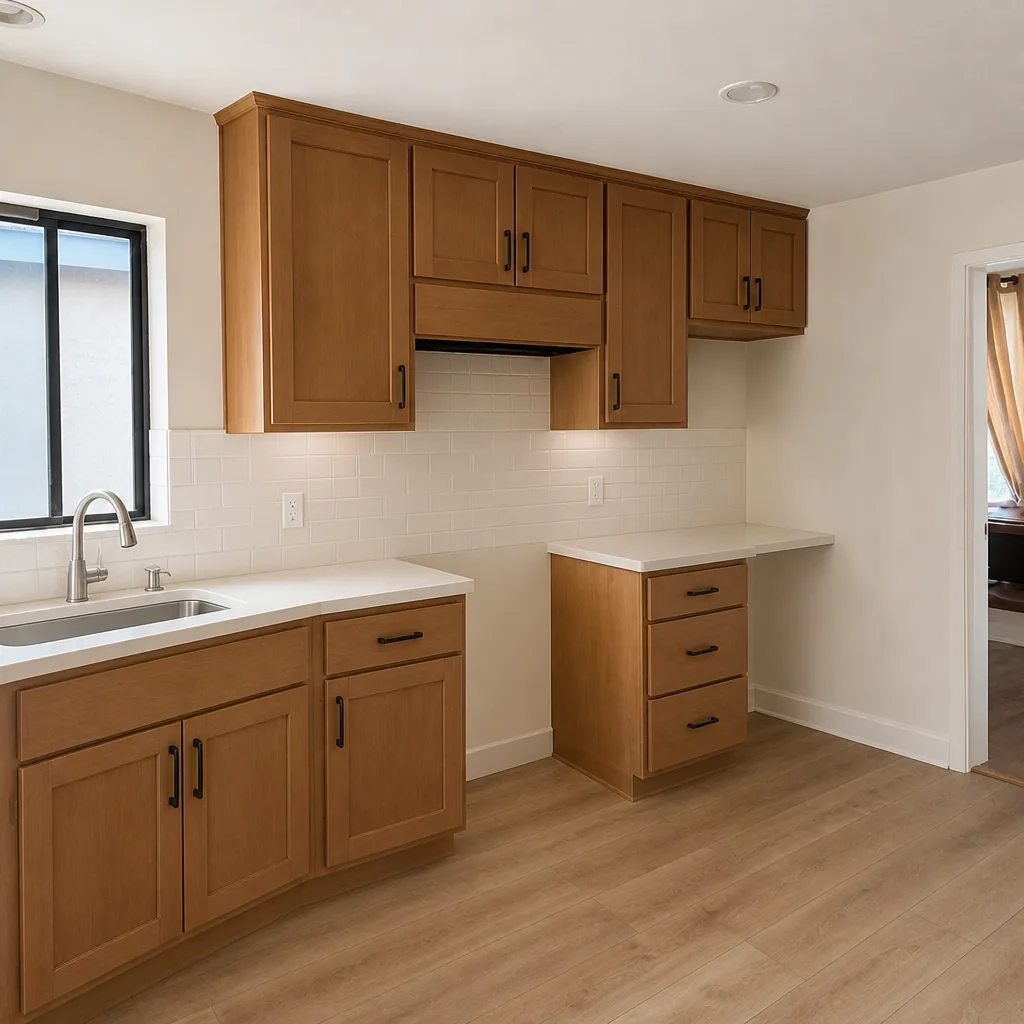
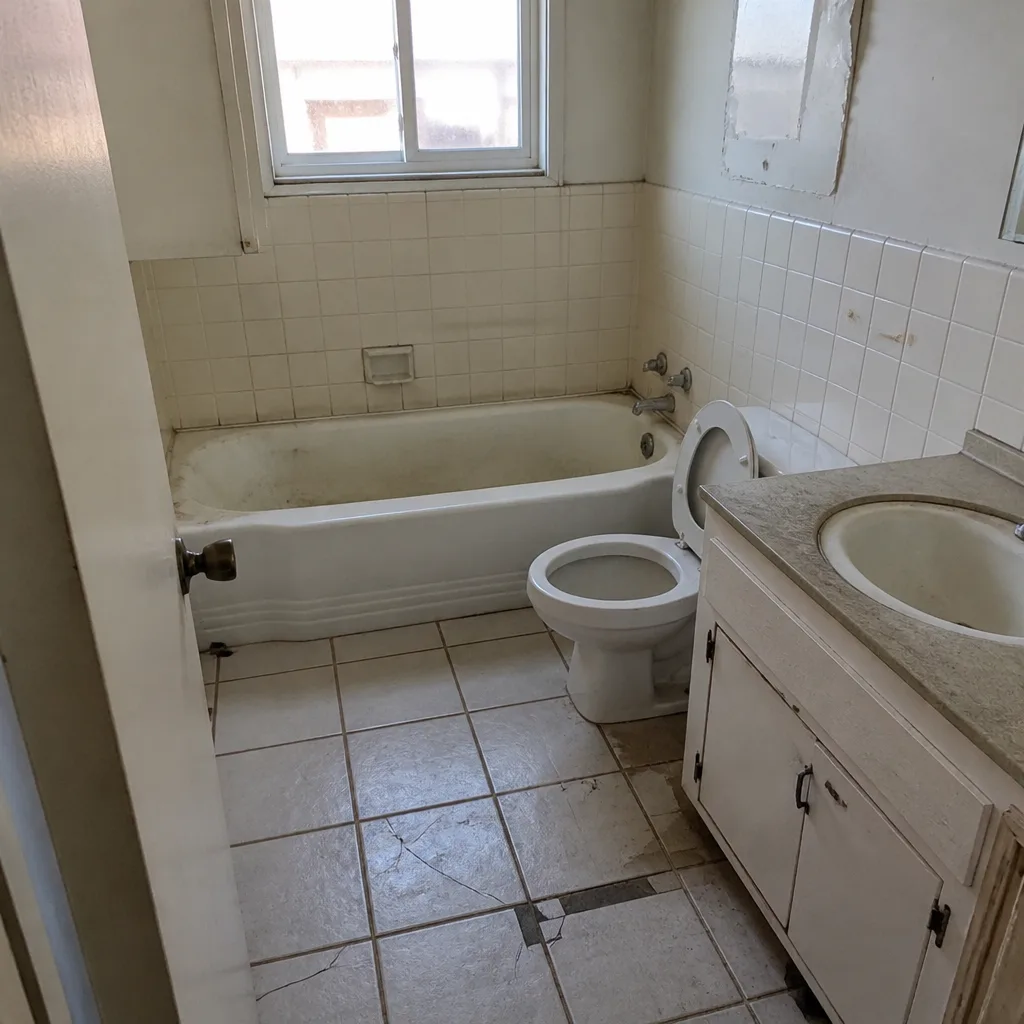
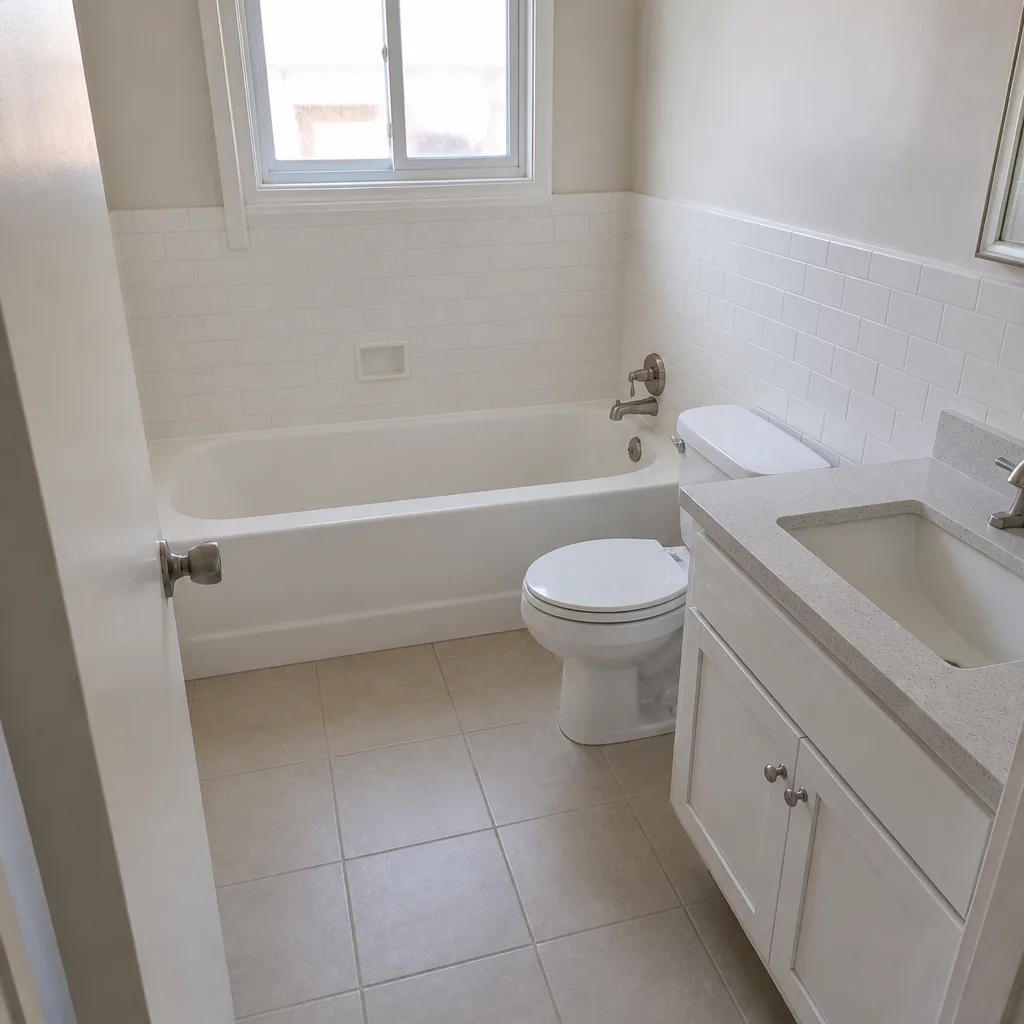
See the difference
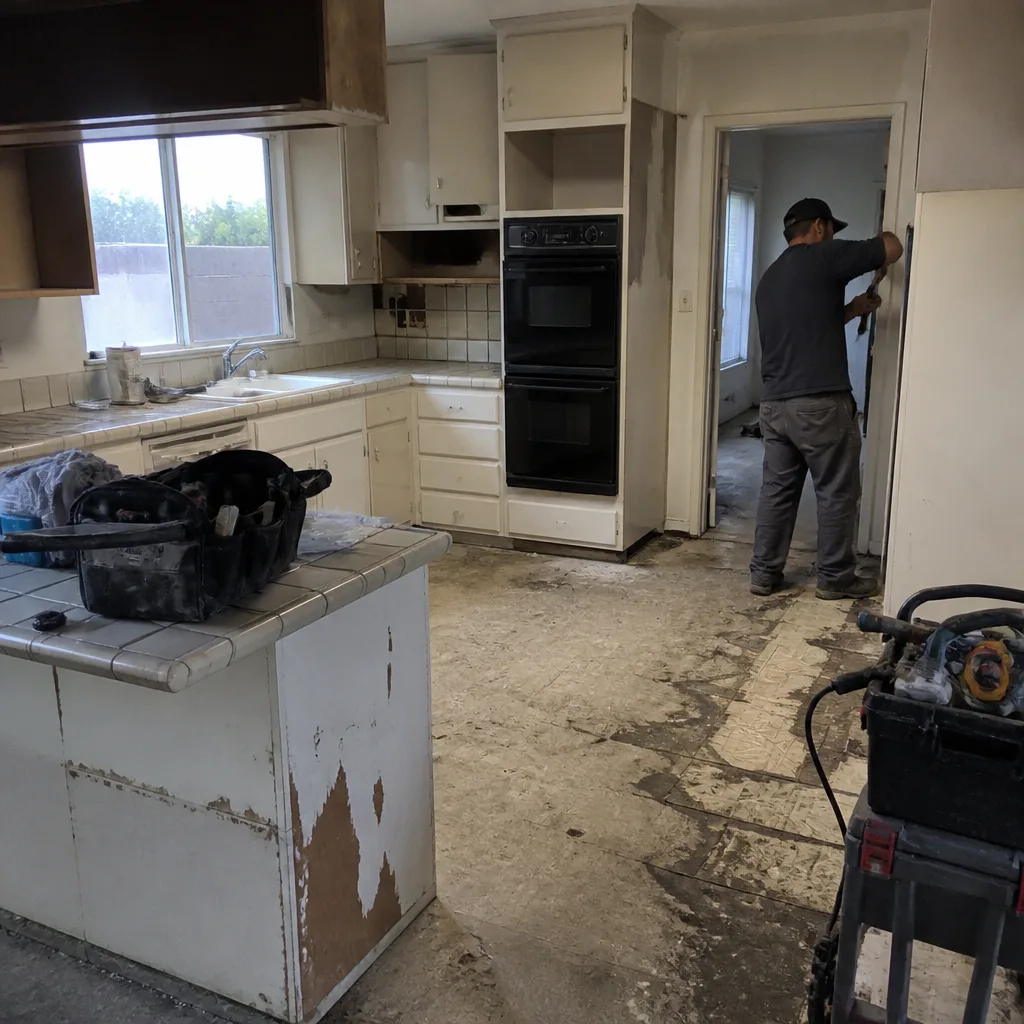 Before
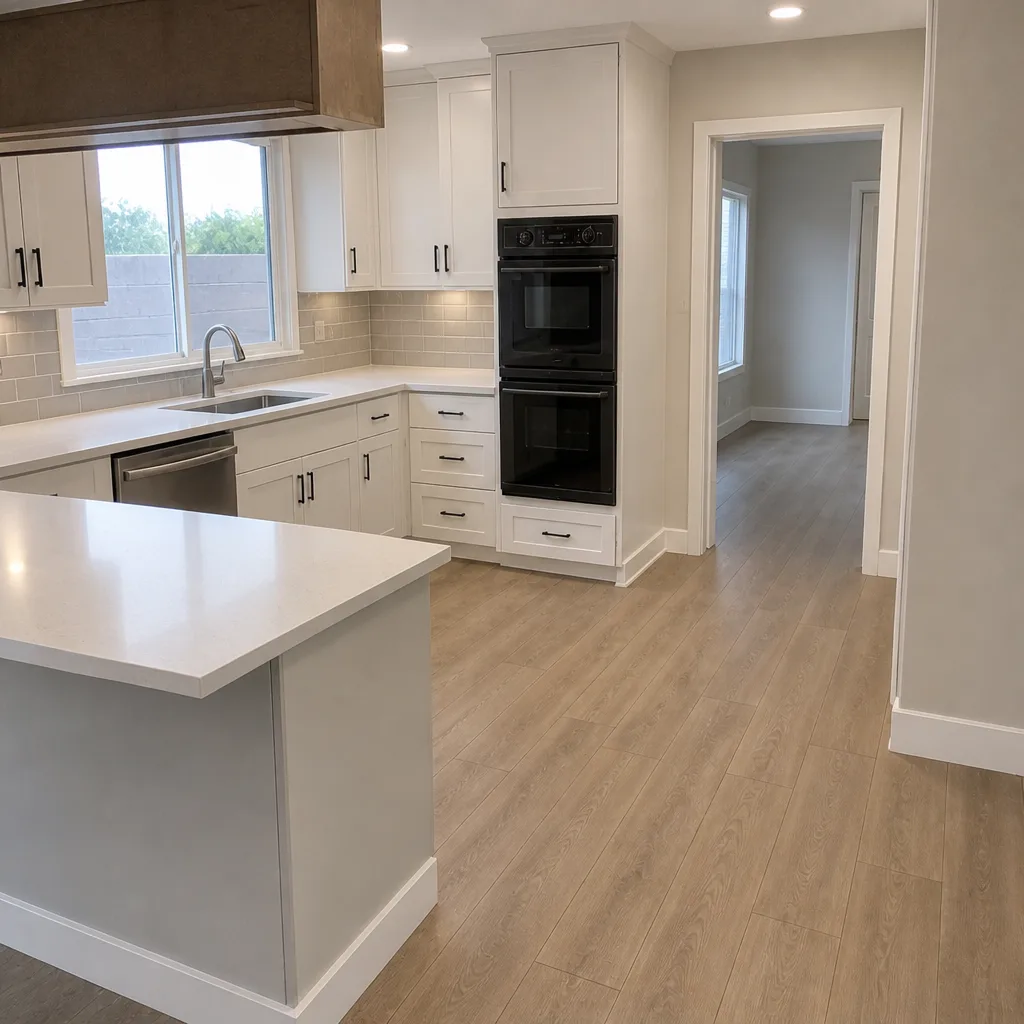 After
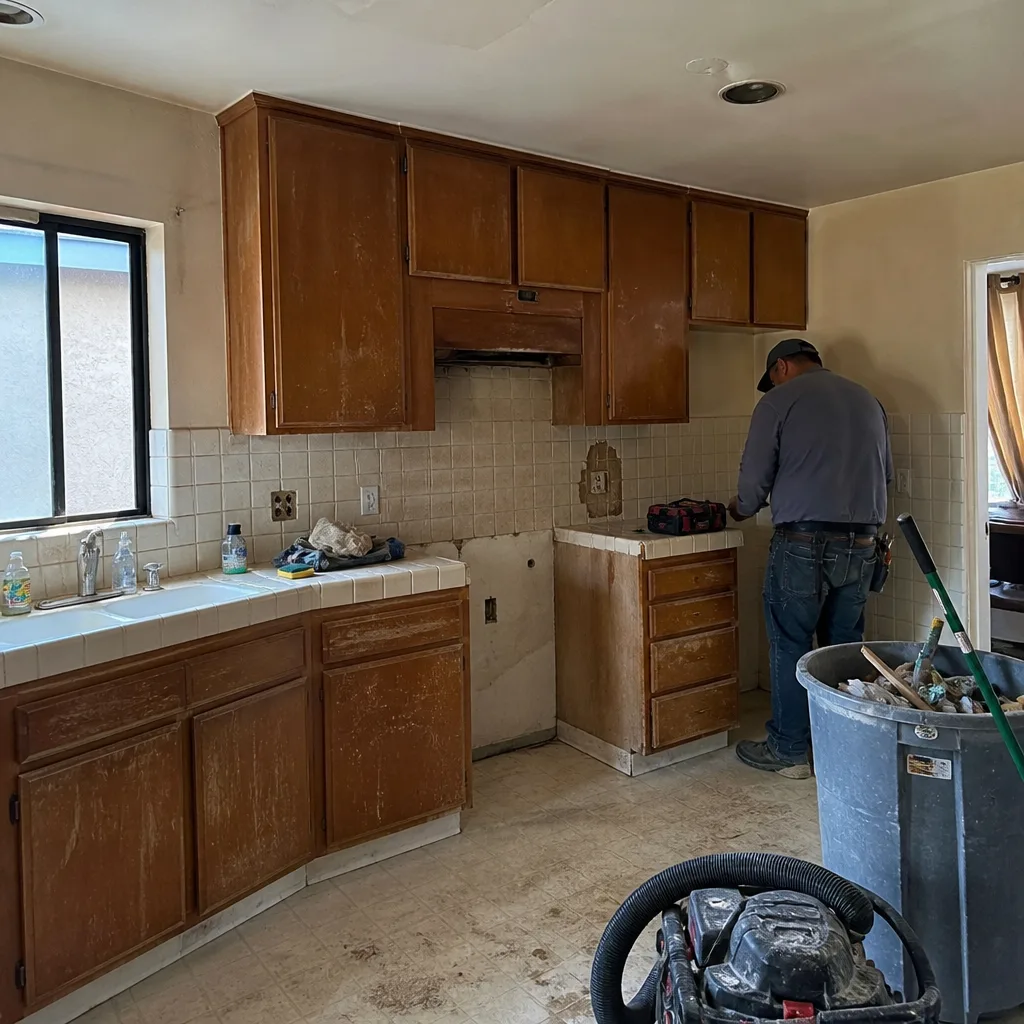 Before
 After
 Before
 After
When to Call a Professional
Call a professional whenever the work touches the building envelope, structural framing, utilities, or anything that will need a permit and inspection. In Mission Viejo that covers a full re-roof, window replacement that changes the rough opening, kitchen or bath remodels that move plumbing or electrical, fence installation above the city’s height allowance, paver or driveway work that changes drainage, and every addition or ADU. Permits and Title 24 compliance are a documentation game as much as a construction one, and a general contractor who handles both in the same project is genuinely easier to manage than three separate specialists. Our technicians have up to 8 years of experience working through the permit and inspection process here. Construction Mission Viejo offers free estimates in Mission Viejo – call (833) 620-5454.
Frequently Asked Questions
It depends on the scope. A same-size window replacement in the same opening sometimes doesn’t require a permit, while a replacement that changes the rough opening or a full-house window job almost always does. Because Title 24 energy compliance applies to full replacement jobs, plan for compliance documentation even if you’re unsure whether the city will require a permit. Call (833) 620-5454 for a free estimate and we’ll help you sort out which track your window job falls into.
Timelines vary by project type and the city’s plan review queue at the time you submit, so we don’t give a fixed number. Structural projects like additions and ADUs take longer than roofing or window permits because they involve more plan review steps. The best answer is to call the city’s building department directly and ask about current plan review times for your scope. Call (833) 620-5454 if you’d like help getting your submittal ready.
Title 24 is California’s energy code, and it applies to most projects that touch the building envelope or the mechanical systems. In practice, it means a re-roof or a full window replacement has to meet energy performance standards and file the supporting documentation with the permit package. Skipping it typically results in a flagged final inspection and rework. Call (833) 620-5454 to have us review your project against the current code before you start.
You can, but it’s not a good idea for most projects. An owner-builder permit puts the legal responsibility for code compliance and inspections on you, and some contractors won’t work on a job that was permitted in someone else’s name. It’s cleaner and safer to have the contractor pull the permit in their name. Call (833) 620-5454 for a free estimate and we’ll walk through the right permit path for your project.
The buyer’s inspection report will flag the permit history, and escrow timelines are short. In practice, that means the seller usually ends up filing a retroactive permit, opening walls or finishes so an inspector can verify the work, and correcting anything that doesn’t meet current code. All of that can be more expensive than the original permit would have been. If you’re preparing to sell, call (833) 620-5454 before you list, not after.
Yes, for most Mission Viejo neighborhoods. The HOA reviews appearance, height, and material, while the city reviews height relative to grade, lot-line placement, drainage, and grading. The two approvals are separate and neither substitutes for the other. Run both applications in parallel, starting with the HOA since it’s often the slower of the two. Call (833) 620-5454 for a free estimate on your fence or driveway project.
The Bottom Line

Permits and code compliance aren’t paperwork that gets in the way of a good project. They’re the reason the project is worth what you paid for it at resale. In Mission Viejo, that means understanding what triggers a city permit, planning for Title 24 energy compliance on roofs and windows, running HOA approval in parallel with city plan review, and choosing a contractor who pulls the permit in their own name and attends the inspections. The cost of doing it correctly once is predictable. The cost of a retroactive permit is not. If you’d like a straight answer on your specific project, call (833) 620-5454 for a free estimate. We answer 24/7. Fast dispatch from 7am to 7pm, Sunday through Friday.
Written by the team at Construction Mission Viejo.