Last updated November 18, 2026





Free written scope consultation - allowances, timeline, and change-order rules on paper before a single trade is scheduled
Construction Cost Breakdown: The Mission Viejo Homeowner’s Reference for 2026
Two patio covers, same square footage, quotes of $18,000 and $32,000. Both can be legitimate. The difference usually comes down to details the homeowner never sees on a one-page bid: whether the quote includes engineered drawings for HOA submission, whether the framing is Alumawood or Douglas fir, and whether a concrete footing permit is part of the scope. Most online cost calculators won’t tell you that, because they run national averages that ignore Mission Viejo labor rates and treat HOA overhead as if it doesn’t exist. This reference breaks down what the seven most common residential projects actually cost here in 2026, where the hidden adders live, and how to read a bid so you’re comparing apples to apples.
Styles & brands we work with
- Kitchen remodeling
- Bathroom remodeling
- Home additions & ADU
- Roofing
- Windows & doors
- Driveway & pavers
- Fence
Quick Answer
In Mission Viejo, most common residential projects in 2026 fall into these estimated ranges: kitchen remodels $35,000 – $95,000, bathroom remodels $18,000 – $55,000, roof replacements $14,000 – $38,000, window and door packages $9,000 – $32,000, fence installation $4,500 – $18,000, driveway and paver work $8,000 – $35,000, and home additions or ADUs $120,000 – $350,000+. Skilled trade labor in South Orange County runs roughly 15 – 25% above national benchmarks, and HOA-related adders (architectural drawings, approval fees, schedule delays) can add several thousand dollars to exterior projects. Every number below is an estimate; the written line-item quote sets the final price.
Table of Contents
- Why National Cost Calculators Underestimate Mission Viejo
- Labor Rate Context: Why South Orange County Runs Above the National Average
- The Seven Most Common Projects and What They Cost in Mission Viejo
- The HOA Cost Adders Most Guides Leave Out
- How Mission Viejo Permit Fees Work and What Inspections Add
- The Cost of Coordination: Multiple Contractors vs. One GC
- How to Read a Construction Bid Line by Line
- Common Mistakes to Avoid
- When to Call a Professional
- Frequently Asked Questions
Why National Cost Calculators Underestimate Mission Viejo
Online cost calculators are built on national averages, and national averages are built on the cheapest labor markets in the country. When a calculator tells you a bathroom remodel runs $12,000 – $25,000, it’s blending a Midwest tract home with a coastal California property and calling it a number. That number isn’t wrong for the country as a whole. It’s wrong for Mission Viejo, because the inputs that drive cost here are different.
A few specific reasons the gap is real:
- Climate-driven material choices. Mission Viejo’s inland-facing climate brings hot summers and dry stretches that stress exterior materials. Roofing underlayment, caulk lines, and paver base prep all need to be spec’d for expansion and UV exposure, not just for a generic temperate zone.
- Housing stock and lot layouts. Many Mission Viejo homes sit on graded lots with sloped driveways and rear-yard retaining situations. That means fencing and paver work often needs more excavation and base prep than a flat-lot national average assumes.
- HOA proliferation. A large share of Mission Viejo’s residential neighborhoods are governed by HOAs with architectural review. Every exterior project carries potential drawing, submission, and scheduling overhead that no national calculator accounts for.
- Trade availability. Skilled labor in South Orange County is in steady demand, and qualified crews price accordingly. A $95/hour finish carpenter in a cheap market is a $130-plus/hour proposition here.
Our technicians have up to 8 years of experience, and in that time we’ve learned that the fastest way to lose a homeowner’s trust is to quote a national-average number and then explain why it doubled. Better to show the real range up front.
Labor Rate Context: Why South Orange County Runs Above the National Average
Skilled trade labor in South Orange County runs roughly 15 – 25% above national benchmarks. That’s not a markup for the sake of markup. It’s a reflection of what it costs to keep qualified trades working in a high-cost, high-demand market. A roofer, tile setter, or finish carpenter working in Mission Viejo is competing against commercial and custom-home work that pays a premium; residential projects have to meet that market.
What that means for budget planning:
- If a national calculator gives you a $40,000 kitchen remodel, plan on something more like $48,000 – $50,000 in Mission Viejo for comparable scope and materials.
- On a $200,000 addition, the labor delta alone can be $25,000 – $40,000 compared to a national benchmark.
- Finish trades (tile, cabinetry, trim carpentry) show the biggest premium, because that’s where the shortage is sharpest.
- Material costs are closer to national figures; the gap is mostly in the labor line.
This matters when you’re evaluating bids. A quote that comes in dramatically under local market rate usually means one of three things: unlicensed labor, a scope that’s missing something, or a price that will grow via change orders once work starts. None of those are bargains. We set prices per job by written estimate with fixed pricing and no change orders, so the number you sign is the number you pay.
The Seven Most Common Projects and What They Cost in Mission Viejo
These are the seven categories we work in most often across Mission Viejo, with estimated 2026 ranges and the material tiers that drive the spread. The ranges assume a typical single-family home in the local market; your written estimate is the final word.
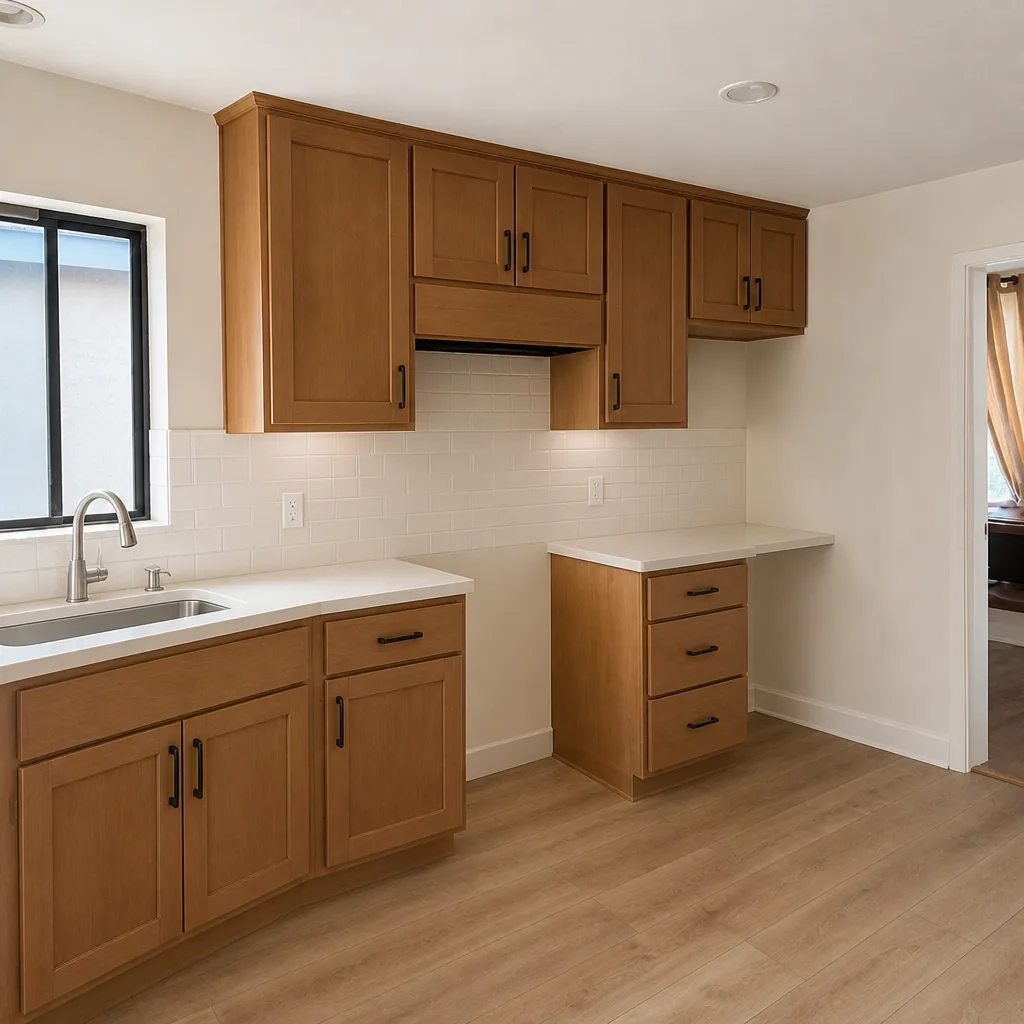
1. Kitchen Remodeling
Estimated range: $35,000 – $95,000+
- Entry tier ($35,000 – $55,000): Stock or semi-custom cabinetry, laminate or entry-level quartz, standard fixtures, mid-grade appliances supplied by owner.
- Mid tier ($55,000 – $80,000): Semi-custom KraftMaid or Wellborn cabinetry, quartz or granite from Cambria, Caesarstone, or Silestone, upgraded Kohler or Moen fixtures, lighting and electrical updates.
- Premium tier ($80,000+): Full custom cabinetry, slab backsplashes, integrated appliances, structural wall removal, expanded footprint.
Kitchen remodels carry the widest spread of any category because the scope varies so much. A cosmetic refresh with new counters and cabinet fronts is a very different project from a gut-and-reconfigure.
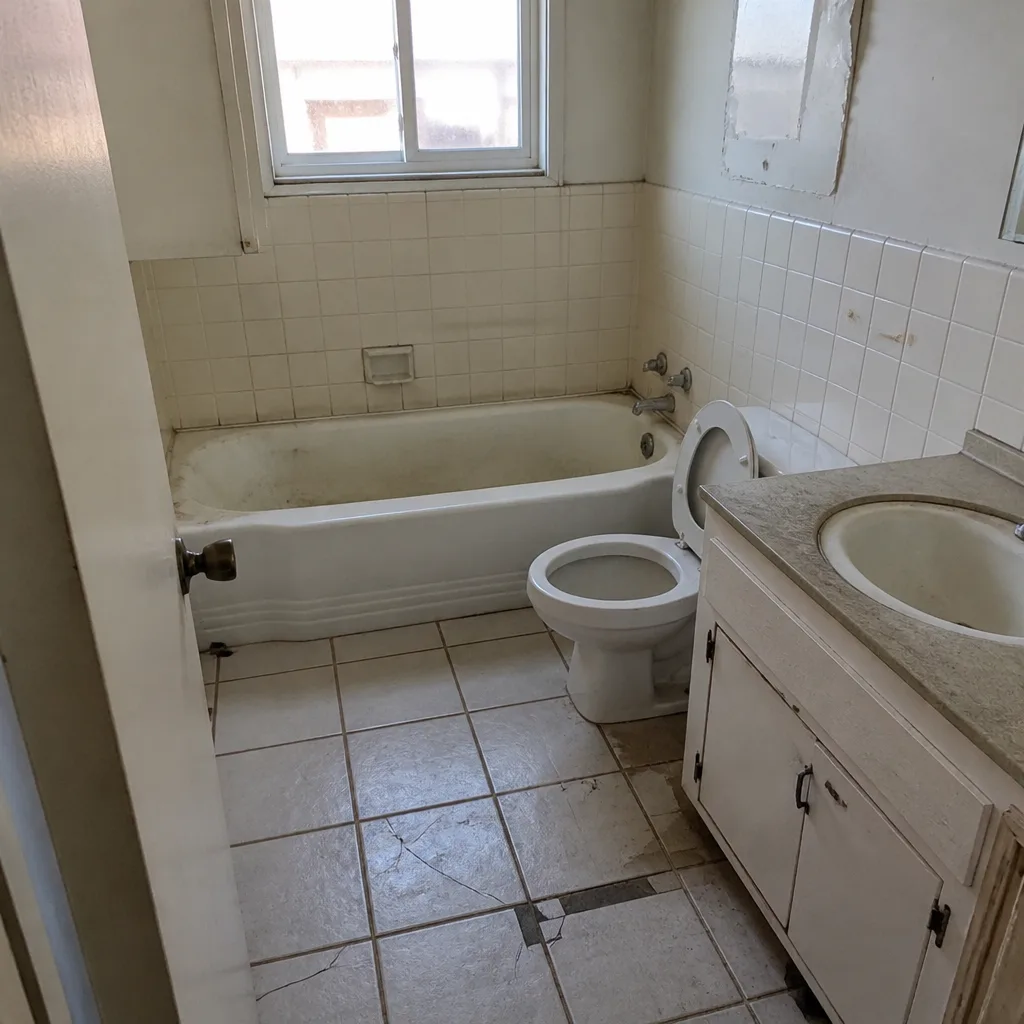
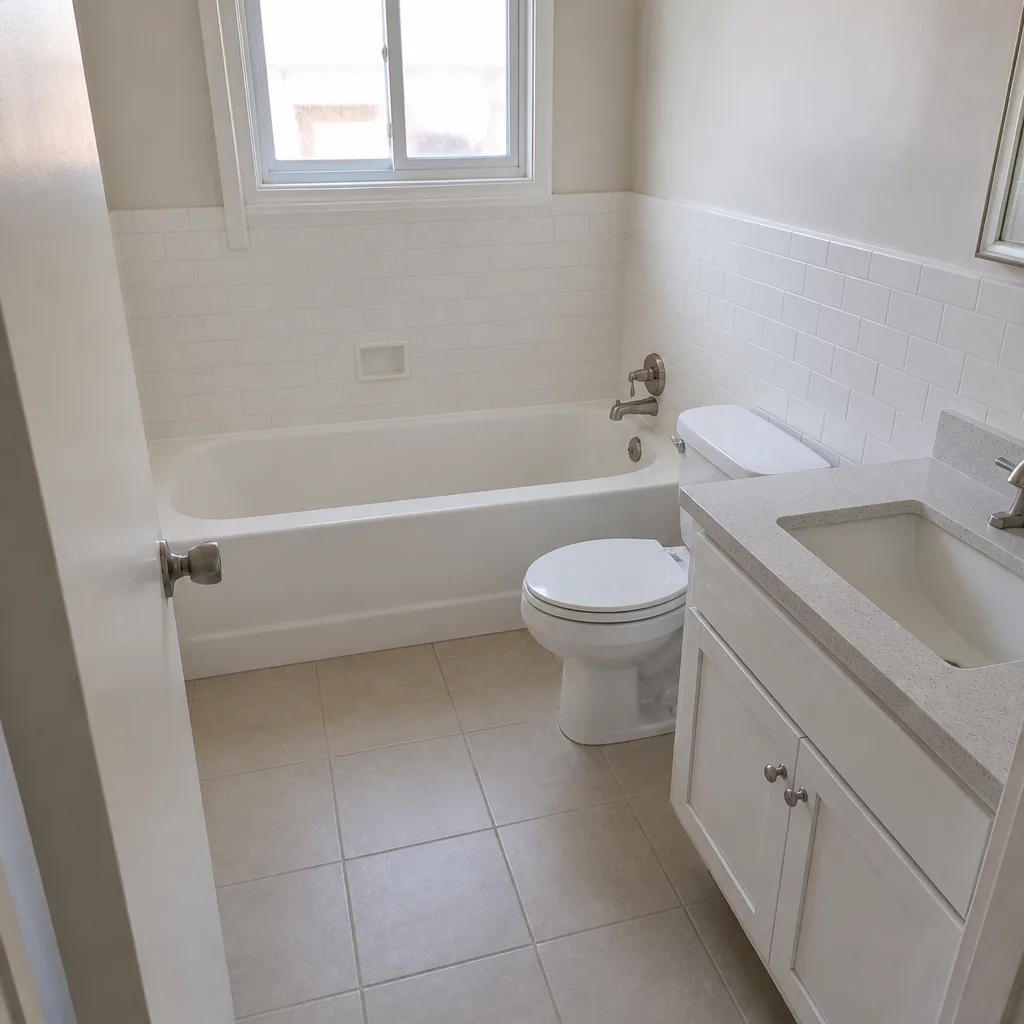
2. Bathroom Remodeling
Estimated range: $18,000 – $55,000+
- Entry tier ($18,000 – $28,000): Tub or shower replacement, standard tile, mid-grade vanity, Kohler or Moen fixtures.
- Mid tier ($28,000 – $42,000): Curbless shower, larger format tile, Toto or Grohe fixtures, custom vanity, waterproofing upgrades.
- Premium tier ($42,000+): Full layout changes, freestanding tub, frameless glass, plumbing relocation, multiple fixtures.
Bathrooms are the category where waterproofing quality most directly determines long-term value. Cutting corners on the substrate is the single most expensive mistake a homeowner can make.
3. Roofing
Estimated range: $14,000 – $38,000+
- Entry tier ($14,000 – $22,000): Tamko or IKO architectural shingles, standard underlayment, re-roof over existing deck.
- Mid tier ($22,000 – $30,000): GAF, CertainTeed, or Owens Corning systems with upgraded underlayment and flashing.
- Premium tier ($30,000+): Full tear-off, premium shingles or tile, new sheathing where needed, upgraded ventilation.
Mission Viejo’s UV exposure is the key driver here. Underlayment and flashing quality matter more here than in cooler climates, and a cheap shingle that performs in the Pacific Northwest may age faster under our sun.
4. Windows & Doors
Estimated range: $9,000 – $32,000+
- Entry tier ($9,000 – $15,000): Standard vinyl windows, basic entry door, limited count.
- Mid tier ($15,000 – $24,000): PGT or CGI vinyl or aluminum windows, Therma-Tru entry door, full-home count.
- Premium tier ($24,000+): Whole-home replacement with upgraded glass packages, sliding door systems, custom entry configurations.
Window replacement is one of the highest-return exterior projects because it affects energy use, noise, and curb appeal at the same time. We bring the options across the brand tiers; you make the call.
5. Fence Installation
Estimated range: $4,500 – $18,000+
- Entry tier ($4,500 – $8,000): Standard wood fencing, simple flat-lot install.
- Mid tier ($8,000 – $13,000): Master Halco, Ameristar, or Barrette systems, sloped terrain, gates and hardware.
- Premium tier ($13,000+): Long runs, complex terrain, premium materials, multiple gates.
Mission Viejo’s graded lots are the wildcard here. A fence line that looks flat on a plat map often isn’t, and the excavation and post-setting work is where the budget moves.
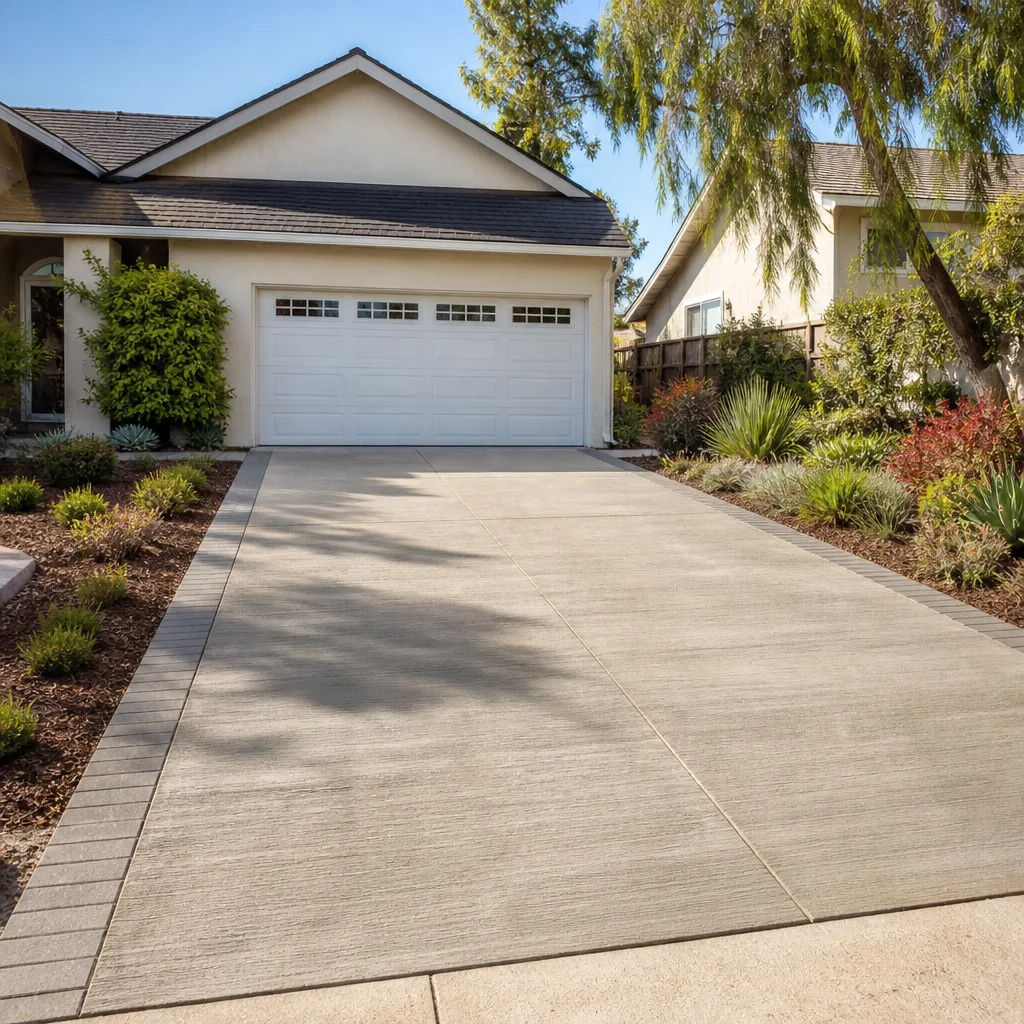
6. Driveway & Pavers
Estimated range: $8,000 – $35,000+
- Entry tier ($8,000 – $15,000): Standard concrete or entry pavers, simple driveway footprint.
- Mid tier ($15,000 – $25,000): Belgard, Unilock, or Techo-Bloc pavers, proper base prep, expansion joints.
- Premium tier ($25,000+): Complex patterns, extended hardscape, retaining walls, integrated drainage.
Base prep is where cheap paver jobs fail. A paver surface is only as good as what’s under it.
7. Home Additions & ADU
Estimated range: $120,000 – $350,000+
- Entry tier ($120,000 – $200,000): Smaller ADU or addition, traditional stick-build, standard finishes.
- Mid tier ($200,000 – $280,000): Mid-size ADU or addition, upgraded finishes, expanded utility work.
- Premium tier ($280,000+): Large addition, multi-room, structural complexity, or prefab/modular ADU from partners like Dvele, Mighty Buildings, or Plant Prefab.
Additions and ADUs are the one category where the bid absolutely must include permit and design costs, which we’ll cover below.
The HOA Cost Adders Most Guides Leave Out
If your Mission Viejo home is in an HOA community, and most are, the project cost isn’t just labor and materials. Exterior projects trigger an architectural review process with real dollar and time costs. Homeowners who don’t plan for this get surprised mid-project.
The typical HOA-related adders:
- Architectural drawings: Many HOAs require scaled drawings or engineered plans for any change to the exterior envelope. That’s a real cost line of $500 – $2,500 depending on complexity.
- Submission and approval fees: HOAs charge their own review fees, typically $100 – $500, plus potential re-submission fees if the plans need revision.
- Schedule delay: HOA review can take weeks. Every week of delay carries a cost in holding time, crew scheduling, and sometimes storage of materials. On a $40,000 project, a four-week delay can easily represent $1,000 – $2,000 in indirect cost.
- Material restrictions: Your HOA may limit approved colors, fence heights, roof materials, or window styles. Working within those constraints often means choosing from a narrower product tier than you’d otherwise prefer.
- Post-project documentation: Some HOAs require as-built documentation after completion. That’s a small line item but a real one.
If you’re pricing a fence installation or a paver project, ask the contractor explicitly whether the bid includes HOA drawings and submission support. If it doesn’t, that’s an adder waiting to happen.
How Mission Viejo Permit Fees Work and What Inspections Add
City of Mission Viejo permit fees are typically calculated as a percentage of project valuation, though the exact formula and any flat administrative components vary by permit type. For a kitchen remodel, expect permit costs in the range of a few hundred to a couple thousand dollars depending on valuation tier. For additions and ADUs, permit fees get considerably larger and often include plan check, structural review, and various departmental sign-offs.
The less-discussed cost is inspection-related mobilization. Multi-inspection projects require the contractor and crew to schedule around inspectors, which means:
- Rough-in inspection after framing, electrical, and plumbing are in but before drywall. This is a scheduled stop of a day or more.
- Pre-drywall inspection for insulation and fire blocking. Another scheduled stop.
- Final inspection after finishes are complete. Another stop, plus the potential for a re-inspection if anything minor needs correcting.
- Trade inspections (electrical, plumbing, mechanical) in some cases run separately, adding more scheduling complexity.
Each inspection is a chance for the job to pause. On a large project, the inspection cadence alone can add days of idle crew time. A contractor who’s never worked inside Mission Viejo’s permit system will underestimate this and pass the overrun to you.
Permits pulled and inspections passed is a non-negotiable standard, not an upsell. If you’re planning structural work, whether it’s a home additions & ADU project or a wall relocation, the permit path is the project.
The Cost of Coordination: Multiple Contractors vs. One GC
Homeowners often assume that hiring separate contractors for each trade saves money because they’re cutting out the general contractor’s margin. In practice, the coordination burden gets shifted onto the homeowner, and it’s worth real dollars.
What actually happens when you manage multiple single-trade contractors on the same project:
- Overlapping scheduling. Your roofer, window installer, and paver crew all want to work the same week. Coordinating them to avoid conflicts falls on you, and every re-scheduled trade carries a hidden cost in gap time.
- Scope gaps. The window contractor frames in the rough opening. Who finishes the interior trim? Who patches drywall? Who paints? Every trade handoff is a chance for something to fall between the cracks, and the cost of fixing it lands on the homeowner.
- Finger-pointing on damage. If the paver crew cracks a window frame, who pays? With separate contractors, this becomes a dispute.
- Repeat mobilization. Each trade shows up, sets up, works, breaks down, and leaves. That mobilization overhead, spread across multiple trades, is often more than a GC’s coordination fee.
- Lost time on your calendar. A homeowner managing a multi-trade project takes real time off work, often more than they expected. That time has a cost, even if it doesn’t appear on an invoice.
A single contractor from the driveway to the roofline closes these gaps. One schedule, one point of accountability, no handoff. That’s the structural advantage, and it’s why we run all seven categories under one contract.
Our roster of 50+ manufacturer brand partnerships across roofing, windows, doors, cabinetry, countertops, fixtures, fencing, and pavers means we can slot the right product tier into any scope without you chasing brand availability across specialty shops. Roofing in GAF, CertainTeed, or Owens Corning. Cabinetry in KraftMaid or Wellborn. Surfaces in Cambria, Caesarstone, or Silestone. Fixtures in Kohler, Grohe, Toto, Moen, or Blanco. Pavers in Belgard, Unilock, or Techo-Bloc. Fencing in Master Halco, Ameristar, or Barrette. Windows in PGT, CGI, or Therma-Tru. And siding capability in James Hardie for envelope work beyond roofing and windows.
How to Read a Construction Bid Line by Line
A bid is only useful if you can compare it to another bid. A one-line quote for “bathroom remodel: $32,000” tells you nothing about what’s included. Here’s how to read a bid so you can actually evaluate it.
- Look for itemized line items, not lump sums. Demo, rough plumbing, rough electrical, framing, drywall, waterproofing, tile, fixtures, paint. If any of these is missing, ask where it lives.
- Identify the material tier. A bid should name brands or specific products. “Quartz counters” is not a line item. “Cambria quartz counters, 3cm, specific edge profile” is.
- Check for permit and inspection costs. Are permits included in the bid total, or will they be billed separately?
- Check for HOA-related scope. Does the bid include architectural drawings, submission support, and schedule allowance for review?
- Confirm the scope of final cleaning and haul-away. Debris removal is a real cost that some bids leave out.
- Look for the change order policy. Fixed pricing with no change orders is the standard you want. Anything else gives the contractor a path to raise the price mid-project.
- Confirm warranty terms in writing. Workmanship warranty should be explicit, not implied.
If a bid is missing three of these seven elements, the price is not comparable to a bid that has all seven, even if the totals look similar.
Common Mistakes to Avoid
- Comparing lump-sum bids against itemized ones. A $30,000 lump sum and a $34,000 itemized bid aren’t comparable. The itemized bid tells you what’s included. The lump sum tells you what you’re hoping for.
- Ignoring HOA timelines. In Mission Viejo, an exterior project that clears HOA review in three weeks is fast. If your contractor assumes one week and doesn’t build a buffer, your schedule slips without warning.
- Choosing the lowest bid as if it’s a discount. On a structural or exterior project, the lowest bid almost always reflects a scope that’s missing a step. Sometimes that step is waterproofing. Sometimes it’s the permit.
- Failing to confirm the material tier in writing. “Mid-grade” means nothing without a brand name. If the bid doesn’t say which brand you’re getting, you’re not getting a price, you’re getting an offer to negotiate later.
- Managing trade handoffs without a plan. If you’re coordinating multiple contractors, list every handoff and assign each one to a specific party in writing. Otherwise every handoff becomes a surprise line item.
- Forgetting that furnishing and appliance costs are separate. Many remodel budgets quote the labor and construction scope, not the appliances, plumbing fixtures, or furniture. Those are additive.
- Not confirming the estimator has actually worked inside city permitting and HOA review in Mission Viejo. Experience with the local system saves weeks of delay that show up as real dollars.
When to Call a Professional
Some projects genuinely warrant a professional from day one. Roof replacement, structural work, anything involving a permit, anything going into an HOA review, anything with multiple trades needing coordination, and any project where the scope is unclear enough that you’re not sure what category it falls into. Additions, ADUs, and any wall relocation are obvious categories. Less obvious are jobs where the surface problem hides a bigger one, like a bathroom where the waterproofing may be failing behind the tile, or a driveway where the base is compromised under what looks like good pavers.
Our team at Construction Mission Viejo offers free estimates in Mission Viejo. Call (833) 620-5454 to schedule yours. We answer 24/7. Fast dispatch from 7am to 7pm, Sunday through Friday. Or visit our main page to see the full scope of what we handle from the driveway to the roofline: Construction Mission Viejo.
Frequently Asked Questions
A kitchen remodel in Mission Viejo typically runs $35,000 – $95,000+ depending on scope and material tier, with most full-gut jobs landing in the $55,000 – $80,000 range. Call (833) 620-5454 for an exact quote; estimates are free.
Not with a fixed-price written estimate from us. The number on the signed contract is the number you pay, and we don’t use change orders to raise it mid-project. The only path to a different price is a scope change you request in writing. Call (833) 620-5454 with your project details.
Yes. Permitted, code-compliant work is standard on every project that requires it, from kitchen remodels to full additions and ADUs. We handle permit submission, inspector scheduling, and passing final inspections. Call (833) 620-5454 for a permit-specific quote.
A bathroom remodel typically takes 3 – 6 weeks, a kitchen 6 – 10 weeks, a roof replacement 1 – 2 weeks depending on weather and scope, and an addition or ADU 6 – 12 months including permitting and HOA review. Every project has its own timeline in the written estimate. Call (833) 620-5454 to talk through your schedule.
Yes. HOA architectural review usually adds $500 – $3,000 in direct costs (drawings, submission fees, documentation) plus schedule delay that has real dollar value. We include HOA scope in the bid so there’s no surprise adder mid-project. Call (833) 620-5454 for an HOA-aware quote.
A general contractor manages all trades under one schedule and one point of accountability, which closes the scope gaps and finger-pointing that come from managing separate contractors yourself. The coordination burden stays with us, not you. Call (833) 620-5454 to talk through which approach fits your project.
The Bottom Line
Mission Viejo construction costs in 2026 run above national averages because labor here runs 15 – 25% above benchmarks, HOA review adds real dollars and weeks, and city permitting requires a schedule buffer. The way to get a real number isn’t a calculator, it’s an itemized bid that names brands, includes permits, handles HOA scope, and confirms fixed pricing with no change orders. Read every bid against the seven line-item checks in this guide. If you’re comparing contractors, get at least two itemized quotes and look for the details, not the totals. Our team at Construction Mission Viejo handles all seven categories under one contract, from driveway & pavers to roofing, so coordination isn’t your problem. Call (833) 620-5454 for a free estimate.
Written by the team at Construction Mission Viejo.
See the difference
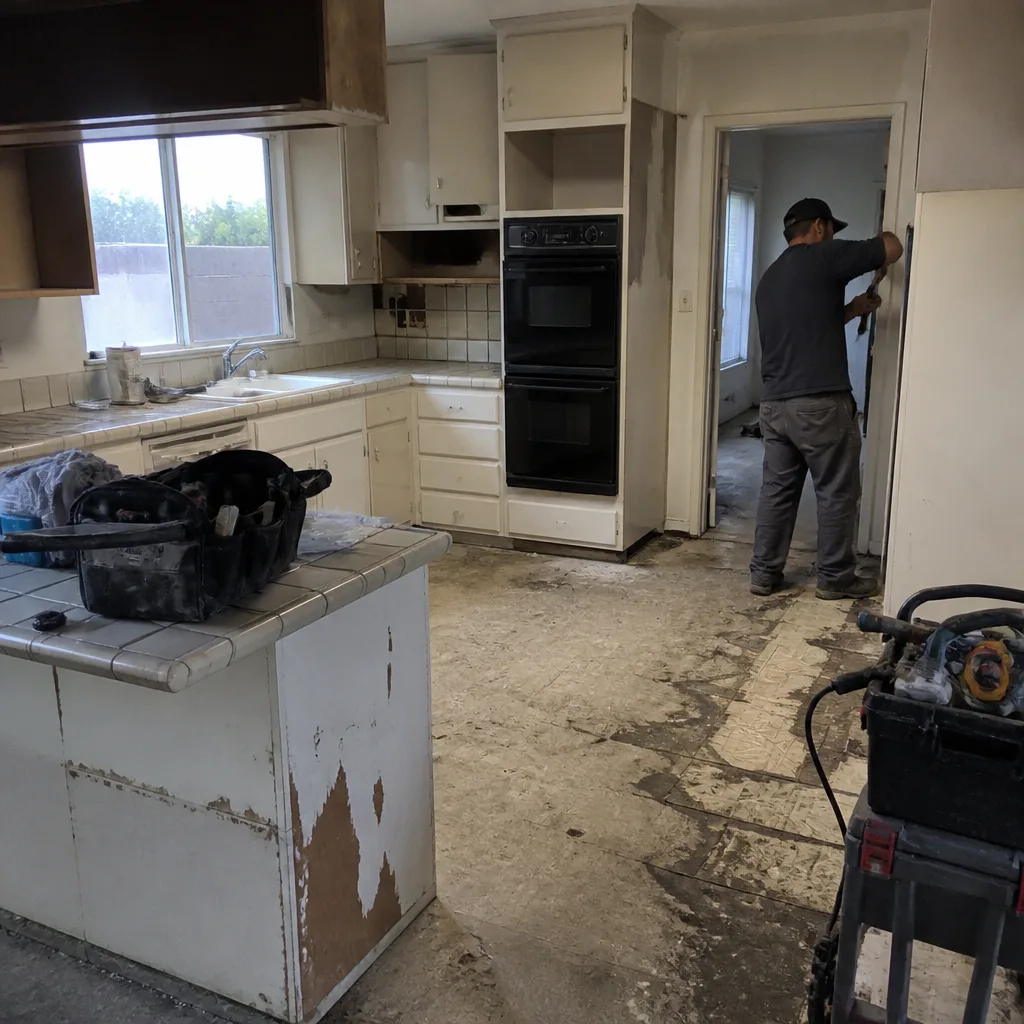 Before
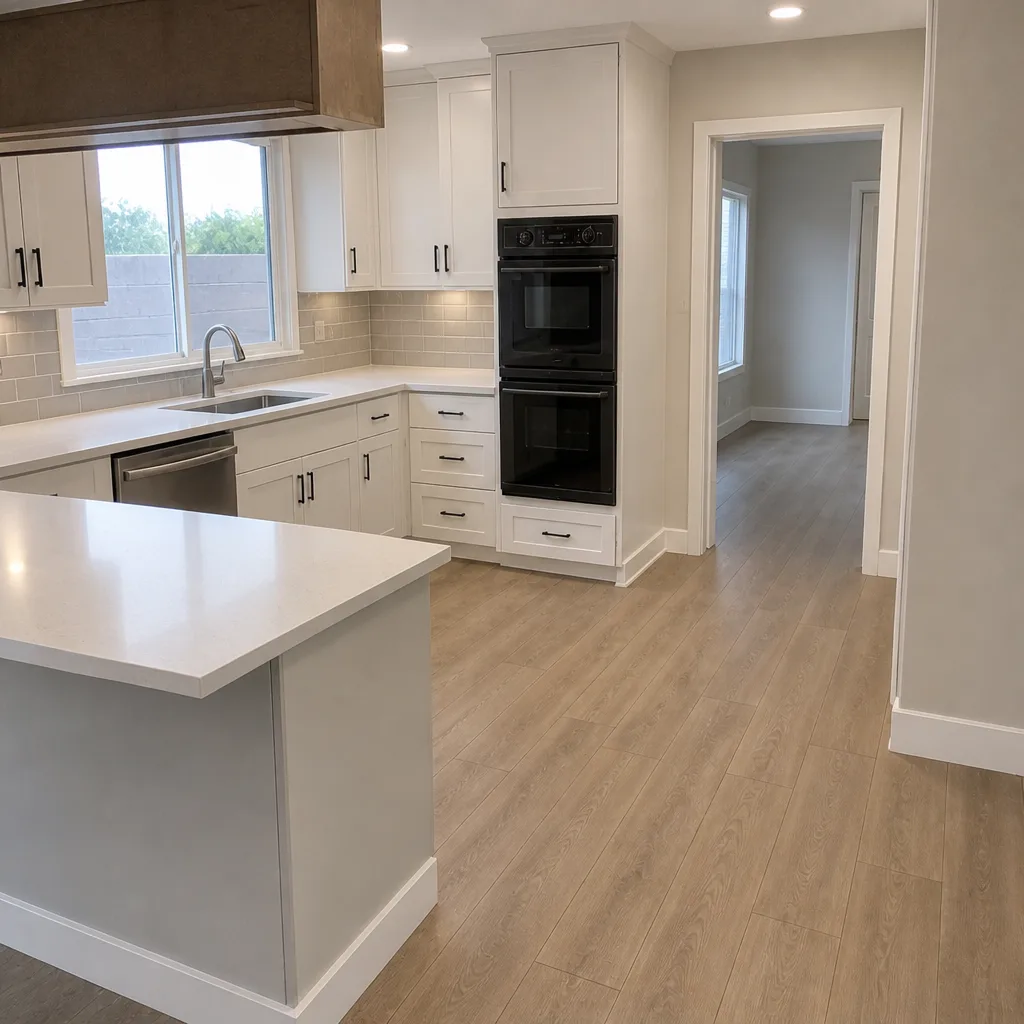 After
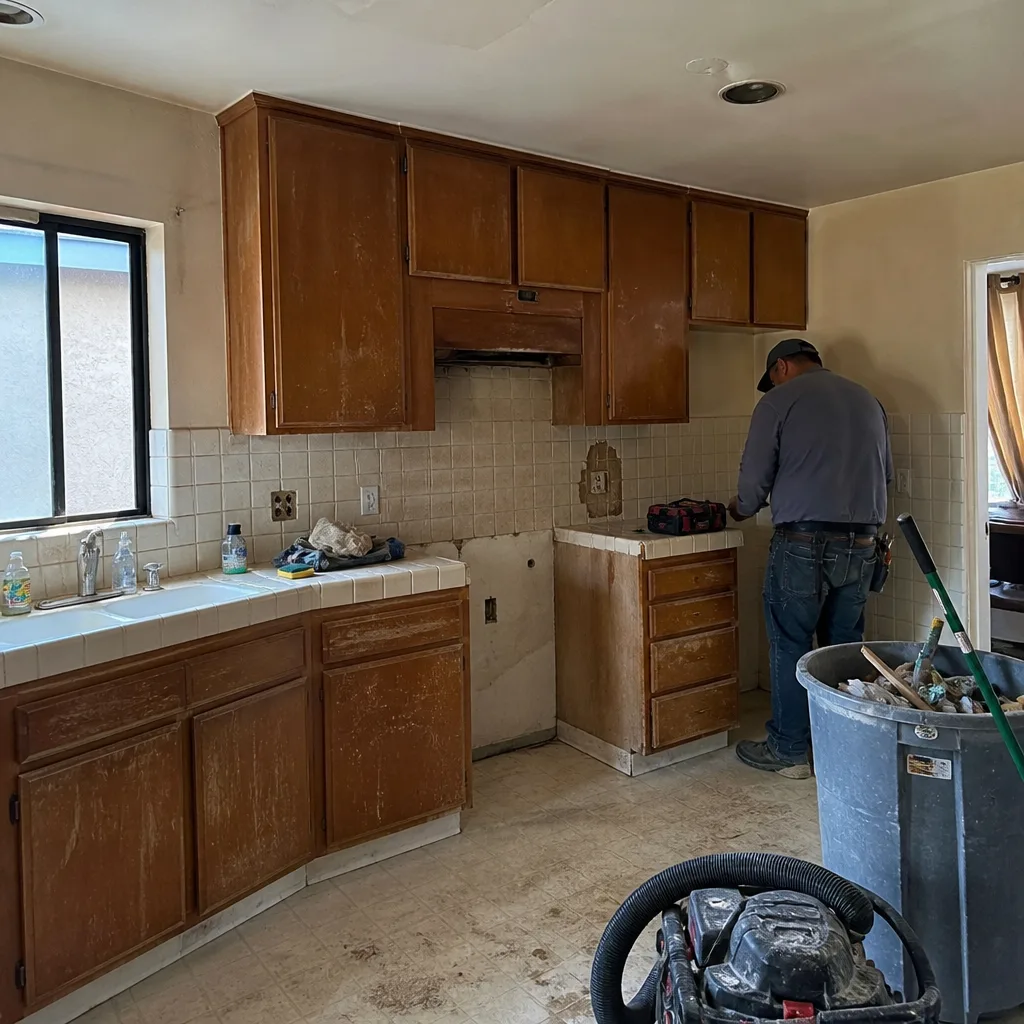 Before
 After
 Before
 After